Water Damage and Structural Integrity: Risks and Repairs
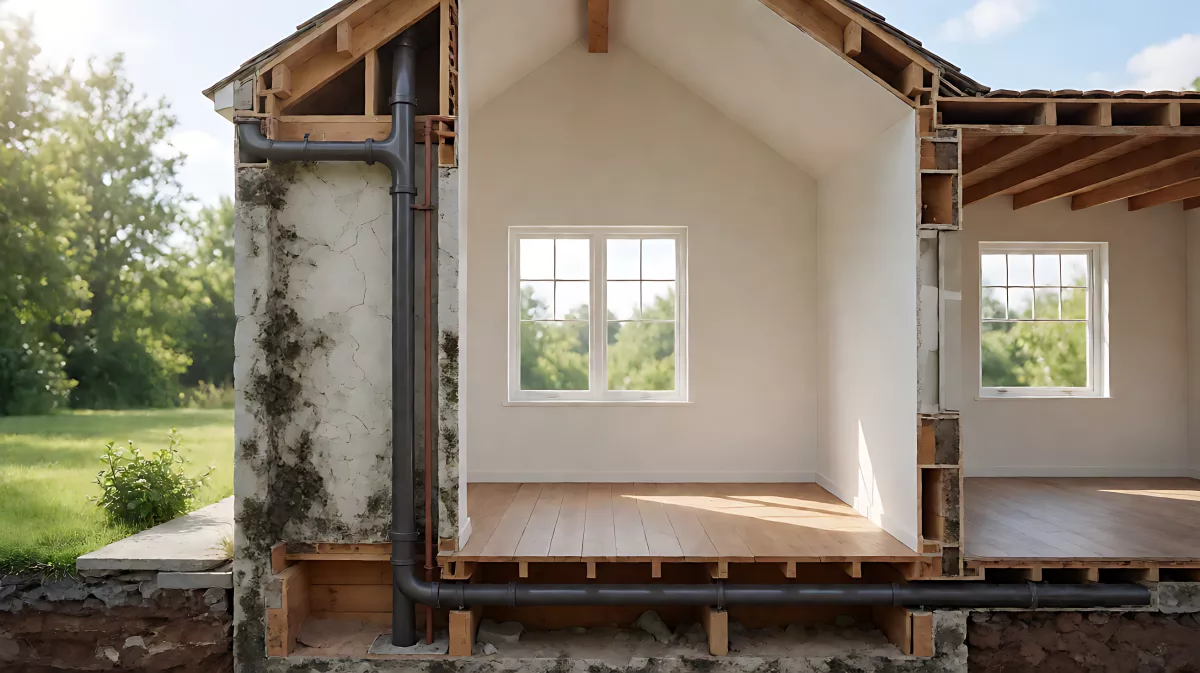
Water damage is more than a cosmetic issue; it actively degrades structural integrity. This guide explains how moisture weakens foundations and load-bearing elements, identifies key warning signs, and outlines the steps to prevent long-term property damage.
Water damage compromises structural integrity by weakening load-bearing materials like wood, metal, and concrete. If left unaddressed, moisture triggers wood rot, metal corrosion, and concrete erosion, leading to serious risks such as wall collapse or foundation failure. Prompt detection and professional repair are essential to maintain your property's safety and value in 2026.
How Does Water Damage Weaken a Building's Structure?
Water is a relentless force that degrades the physical framework of your home. The impact on structural integrity depends heavily on the duration of exposure and the type of material involved. When water penetrates core components, it initiates chemical and biological processes that erode strength from the inside out.
Wood is particularly vulnerable to prolonged moisture. When water soaks into joists, beams, and sills, it encourages fungal activity that leads to rot. As the wood fibers break down, the material loses its ability to support weight. This weakens load-bearing elements, creating unstable floors and ceilings. Metal components, such as steel reinforcement bars in concrete or fasteners in framing, suffer from corrosion. This rusting process expands the metal, causing it to crack the surrounding concrete and significantly reducing its load-bearing capacity. Even concrete itself is not immune; water seepage causes erosion and can create hairline cracks that compromise the foundation over time.
What Are the Most Common Signs of Water Damage?
Identifying water damage early is the single best way to protect your home's structure. Many signs are visible or sensory, meaning you can detect them without specialized equipment. You should look for specific visual cues that distinguish simple moisture stains from more serious structural issues.
- Discoloration: Yellow or brown stains on walls and ceilings are typical indicators of water infiltration. Unlike mold, which is often speckled and darker, these stains are usually more uniform.
- Warped Surfaces: Floorboards that buckle or drywall that bubbles and peels indicate that the material has absorbed significant moisture.
- Musty Odors: A persistent, earthy smell is often a sign that mold has begun to grow within the walls or subfloor, a process that can start in as little as 24 to 48 hours.
- Foundation Cracks: Visible cracks in the foundation or leaning walls suggest that the structural base is failing due to moisture erosion.
Can Unaddressed Water Damage Lead to Mold and Health Hazards?
Yes, the link between water damage and health risks is direct and significant. When moisture lingers, it creates an ideal environment for mold spores to thrive. The Environmental Protection Agency notes that mold exposure can cause a range of symptoms, including coughing, sneezing, and respiratory irritation. For individuals with asthma or allergies, the risks are even more severe. Beyond immediate health concerns, the presence of mold and visible water damage significantly decreases property value. Buyers are often wary of homes with hidden structural issues, making early intervention a critical financial decision.
How Much Does It Cost to Repair Structural Water Damage?
Repair costs in 2026 vary widely based on the extent of the damage and the materials affected. A minor leak might only require a few hundred dollars in patching, but significant structural compromise can cost thousands. Factors influencing the final bill include the need for mold remediation, the replacement of damaged drywall, and the potential for electrical system repairs. The Environmental Protection Agency and industry standards suggest that the longer you wait, the more expensive the repair becomes. Delaying action allows moisture to travel further into the frame, meaning contractors may need to tear out entire sections of the home rather than just treat the visible stain.
What Are the Most Effective Steps to Restore Structural Integrity?
Restoring a property begins with stopping the source of the water. Fixing a burst pipe or repairing a roof leak is the mandatory first step. However, stopping the leak is not enough; the affected area must be thoroughly dried. Professionals use industrial-grade dehumidifiers and air movers to extract moisture from deep within the building materials. If structural elements like beams are compromised, they must be reinforced or replaced. Engaging licensed restoration professionals ensures that the repair meets current building codes and safety standards. This approach not only fixes the immediate problem but also prevents future recurrence by addressing underlying moisture control issues, such as poor ventilation or waterproofing failures.
How can I check if water damage is permanent?
Permanent damage is usually indicated by warping, rot, or significant staining that does not resolve after drying. If the structural elements have lost physical integrity, such as cracked concrete or rotted wood, the damage is likely permanent and requires professional reconstruction rather than simple cleaning.
Does water damage affect the value of my home?
Yes, undisclosed or visible water damage can lower your home's market value. Potential buyers often request inspections that reveal structural flaws, which can lead to lower offers or require you to pay for repairs before listing the property.
How quickly should I contact a professional?
You should contact a licensed restoration expert immediately, ideally within 24 to 48 hours of the incident. This timeframe is critical because mold can begin to grow within 48 hours of water exposure, accelerating structural and health risks.
Can I fix minor water damage myself?
Superficial staining on non-porous surfaces might be manageable with DIY methods, but any damage involving drywall, wood framing, or the foundation requires a professional. These materials are difficult to assess for hidden moisture and structural weakness without specialized tools.