Walk-in Tub Costs: Sizing & Safety Guide
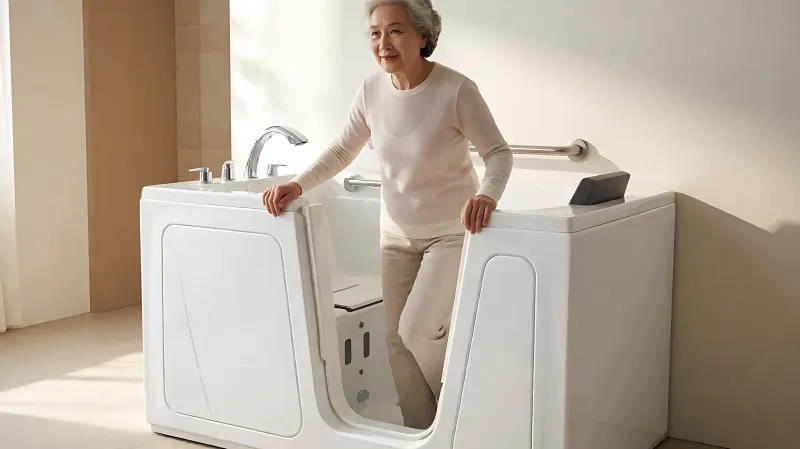
Wondering how much a walk-in tub really costs or if it will fit your bathroom? This guide breaks down pricing tiers, essential sizing rules, and safety features to prevent falls.
Choosing a walk-in tub involves balancing three main factors: total installed cost, physical fit within your bathroom, and fall prevention features. Basic models start at roughly $3,000 total, while jetted luxury versions can exceed $17,000. Before buying, you must measure your space accurately to ensure the tub and its door swing clear nearby fixtures. Safety is non-negotiable; look for non-slip interiors, sturdy grab bars, and a low step-in height under two inches to minimize tripping risks.
What Is the Real Cost of Installing a Walk-in Tub?
Understanding the final price tag requires looking beyond the equipment cost. According to data from the National Council on Senior Citizens (NCOA), the total installed price generally falls between $3,000 and $17,000, depending on the tier of the product. This range includes the tub itself, necessary plumbing modifications, and electrical work if jetted features are selected. Regional labor rates and the complexity of your bathroom’s existing layout can shift these numbers significantly.
There are three main pricing tiers to consider. Basic soaker tubs, which lack jet systems, typically cost between $2,000 and $5,000 for the unit alone. Installation adds another $1,000 to $5,000, bringing the total to approximately $3,000 to $10,000. Mid-range hydrotherapy tubs with adjustable jets range from $5,000 to $8,000 for equipment. Luxury models featuring multiple jet types, heating, and aromatherapy can push the equipment cost to $8,000 or more, resulting in a total project cost of $9,000 to $17,000 or higher. Specialty tubs designed for bariatric support or wheelchair accessibility often carry additional premiums, adding several thousand dollars to the base price.
It is also important to factor in ongoing maintenance and utility costs. A standard walk-in tub holds between 80 and 120 gallons of water. Frequent filling will increase your water and energy bills compared to a shower. You should also budget for minor upkeep, such as replacing LED bulbs, refilling aromatherapy canisters, and cleaning the jet systems to prevent bacterial buildup. Most reputable manufacturers offer a limited lifetime warranty on materials and workmanship, but this usually covers only the unit, not installation or utility costs.
How Do You Determine the Correct Size?
Size selection is the most common reason for installation delays. A walk-in tub is not merely a shrunken version of a standard bathtub; it has specific dimensions that affect both comfort and safety. You must measure your bathroom’s available floor space, known as the footprint, with at least one inch of clearance on all sides for plumbing connections. If you plan to remove an existing standard tub, you must verify that the new unit’s width and length do not exceed the old cavity. A mismatch here requires cutting into walls or reflooring, which adds significant cost and disruption.
Consider the door swing carefully. Inward-swinging doors require extra internal space so you can maneuver around the open door inside the tub. Outward-swinging doors save internal space and allow for smaller tubs, which are better for compact bathrooms. Many consumers fear outward doors leak, but modern watertight seals are designed to prevent this. The external drain located near the door catches any drips from the seal, protecting your bathroom floor from standing water. Always ask the installer to mock up the door swing with a door hanger or cardboard template before finalizing the purchase.
Step-in height is a critical sizing factor for safety. Standard tubs often require a step-up of six to seven inches, which is a major slip hazard. Modern walk-in tubs offer step-in heights as low as two inches. If the user has limited leg strength or balance issues, a lower threshold is essential. Additionally, check the seat height. A built-in booster seat can provide the necessary height for easier rising. If the user is wheelchair-dependent, ensure the tub has a wider door and ADA-compliant handrails.
Which Safety Features Prevent Slip Risks?
The bathroom is one of the most hazardous rooms in the home. The Centers for Disease Control and Prevention reports that around 14 million falls occur among older adults annually in the United States, with many resulting in serious injury. Walk-in tubs are engineered to reduce this risk by eliminating the need to step over a high wall. However, safety is not just about the entry; it is about the entire bathing experience.
Look for a non-slip bottom surface. Even the tub interior should have a textured finish to provide traction when wet. Grab bars are standard, but their placement matters. They should be mounted on the tub wall at a height that allows the user to pull themselves up without overextending. Anti-scald faucets are another vital feature. These valves limit the maximum water temperature to prevent burns, which is especially important for users with diabetic neuropathy or reduced sensation in their feet. Dizziness from medications is also a common fall risk; a stable, seated bathing position mitigates this danger by allowing the user to remain balanced throughout the process.
Consider the lighting as well. Dim bathrooms increase the risk of misjudging distances. Some premium tubs include built-in LED chromotherapy lighting, but even standard bright, shadow-free bathroom lighting is a necessary safety upgrade. If the user has arthritis, look for controls that are easy to reach and operate. Long-handled door closures provide better leverage, making it easier to seal the door without straining the shoulders.
What Are the Material Differences and Durability Concerns?
Walk-in tubs are primarily made of acrylic or coated fiberglass. The choice affects both the cost and the longevity of the unit. Fiberglass is the more affordable option, often found in the $2,000 to $5,000 range. It is lightweight, which makes installation on second-story bathrooms or older homes with lighter floors easier. However, fiberglass is less durable; it can warp, crack, or fade over time, and it shows cosmetic wear more easily.
Acrylic tubs cost more, typically ranging from $5,000 to $12,000, but they offer superior durability. Acrylic is sturdier, resists scratches, and maintains its finish longer. It is also better at retaining heat, meaning the water stays warm longer during a soak. The trade-off is that acrylic is heavier and more labor-intensive to install. If you are concerned about the weight limit of your bathroom floor, a fiberglass model might be safer, but for long-term value, acrylic is the preferred choice for most homeowners. Check with the manufacturer to ensure the specific model meets CSA/UL safety certifications, which is the standard for electrical and plumbing components in the United States.
FAQ
Can I install a walk-in tub without replacing the plumbing?
Not always. While some tubs are designed to fit standard plumbing footprints, many walk-in tubs have different drain and fill locations. You will need a plumber to reroute pipes or install new valves. This is included in the installation cost but is a critical step that cannot be skipped if the connections do not align.
How long does the installation process take?
Most installations are completed within one to two days. The first day typically involves removing the old tub, modifying the floor and walls for the new footprint, and setting the unit. The second day is for plumbing connections, electrical hookups for jets or lights, and final testing for leaks. Complex structural changes can extend this timeline.
Are walk-in tubs worth it if I don’t have jetted features?
Yes. The primary value of a walk-in tub is safety and ease of access, not the massage feature. A basic soaker tub with a low threshold, built-in seat, and grab bars addresses the main risks of falling. Jets are a luxury add-on for therapeutic relief, not a necessity for safe bathing.