Efficient Hot Water Management: US & UK Homes
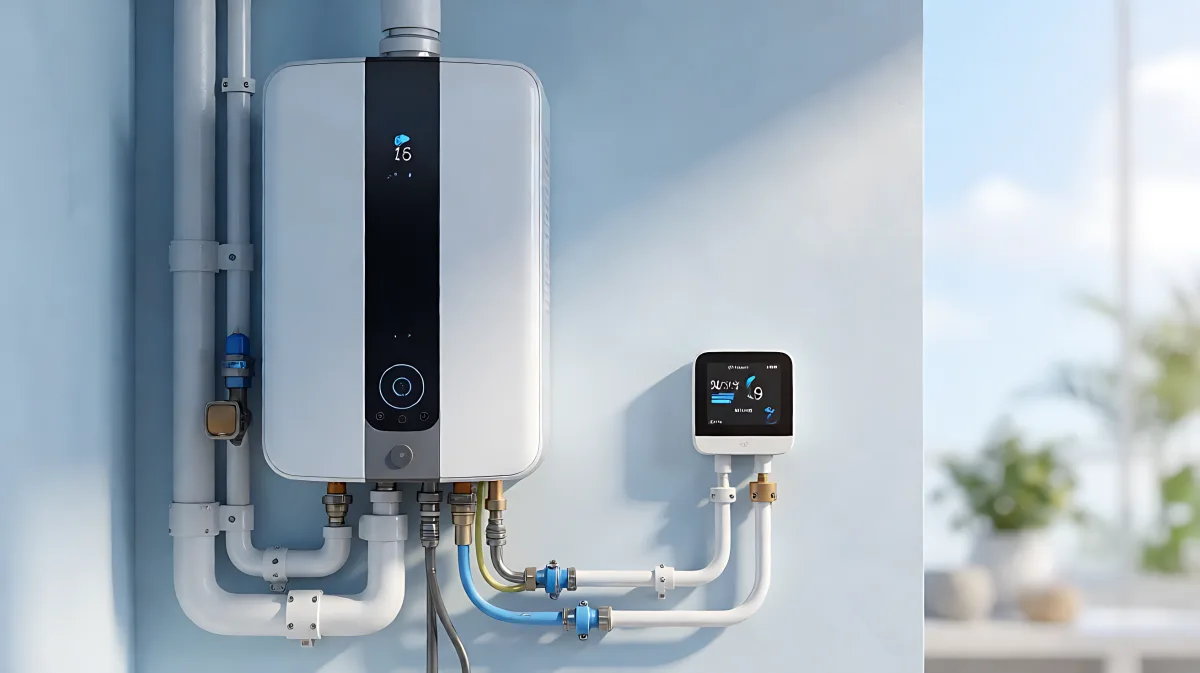
Discover practical strategies to reduce hot water waste, maintain your heater's longevity, and lower utility bills. This guide covers essential checks, modern tech, and common mistakes to avoid in 2026.
To manage household water heating equipment effectively, you must balance thermal efficiency with preventative maintenance. The US Environmental Protection Agency (EPA) advises minimizing the distance hot water travels to prevent energy loss, suggesting a stored volume benchmark of 0.5 gallons between the heater and fixtures. Regular annual checks and smart thermostat usage are the fastest ways to cut waste and protect your home.
Why is managing water heating critical for your home?
Heating water is often the second-largest energy expense in a residential property, following space heating. According to data from the US Energy Information Administration, inefficient distribution systems can waste between 13 to 29 percent of the energy associated with hot water delivery. This means that even if your water heater is high-efficiency, a poor piping layout or lack of insulation can nullify those savings. For households in the US and UK, understanding these thermal dynamics is essential to keep utility bills manageable as prices fluctuate.
Many homeowners assume that a functioning water heater requires no attention beyond occasional leak checks. In fact, the majority of system failures stem from neglecting minor pressure changes or sediment buildup. By 2026, the focus has shifted from reactive repairs to proactive thermal management. This approach involves monitoring the entire system—from the boiler or tank to the furthest tap—to ensure that heat is delivered efficiently and safely.
How do you maintain your water heater correctly?
Regular maintenance is the backbone of a reliable thermal system. For traditional tank water heaters, the priority is removing mineral sediment. If left unchecked, this buildup insulates the tank and forces the burner to work harder, reducing its efficiency. For tankless systems, the focus shifts to descaling and filter maintenance. Here is a practical checklist to keep your equipment in top condition:
- Test the TPR Valve: Locate the temperature and pressure relief valve on the side of the tank. Lift the lever to ensure it releases water or air. A malfunctioning valve is a serious safety risk. If it is stuck or corroded, replace it immediately; a new unit typically costs between $15 and $30 in the US.
- Flush the Tank Annually: Connect a hose to the drain valve and flush out sediment. For homes with hard water, this should be done at least once a year to prevent scalding and burner damage.
- Set the Thermostat to 120°F: The US Department of Energy recommends 120°F (49°C) as the ideal setting. This temperature is hot enough for daily use but cool enough to reduce the risk of scalding and save energy.
- Inspect the Anode Rod: This sacrificial rod prevents the tank interior from rusting. If it is heavily corroded, replace it. In the UK, check for similar corrosion indicators on immersion heaters.
- Insulate Pipes: Wrap cold water pipes near the water heater with insulation to reduce heat loss and help the heater run more efficiently.
What design choices reduce hot water waste?
The layout of your plumbing matters as much as the appliance itself. The EPA has outlined several design strategies for efficient delivery. One effective method is the "trunk and branch" system, where pipes are sized to minimize the volume of water sitting idle in the lines. Another innovation is the recirculation system, which uses a small pump to keep hot water moving through the pipes, ensuring it reaches the tap within seconds.
For older homes, installing a cold-start faucet can be a quick fix. This fixture only dispenses cold water when first opened, requiring a manual switch to get hot water. This prevents the common habit of running the tap while waiting for heat. Similarly, thermostatic shut-off valves for showers can cut off flow once the water reaches the desired temperature, saving both water and energy. These small upgrades can significantly lower the energy footprint of your home.
How does technology improve thermal management?
By 2026, smart home technology has become a standard part of water heating management. Smart thermostats now learn your household's habits, pre-heating water only when you are likely to need it. This prevents the constant cycling of the system, which wastes energy. Leak detection systems are also becoming more advanced, capable of shutting off the main water supply automatically if a burst pipe is detected. This not only saves water but also protects the thermal insulation and structural integrity of your home.
Mobile applications allow you to monitor energy usage in real-time. If you notice a spike in energy consumption on a quiet day, it may indicate a failing heating element or a leak. Early detection through these apps can save you from expensive emergency repairs.
Frequently Asked Questions
How often should I flush my water heater?
It is recommended to flush your tank water heater once a year. If you live in an area with very hard water, you may need to drain and flush the tank every six months to prevent excessive mineral buildup.
Is it worth upgrading to a tankless water heater?
Yes, for many homes. Tankless units heat water on demand, eliminating standby heat losses. While the upfront cost is higher, the energy savings over 10 to 15 years often offset the investment. The EPA notes that these systems are particularly efficient for homes that use hot water intermittently.
What temperature is safest for water heaters?
The US Department of Energy recommends setting your water heater to 120°F (49°C). This temperature balances energy efficiency and safety, reducing the risk of scalding while preventing the growth of certain bacteria that thrive in lukewarm, stagnant water.
Do pipe materials affect energy efficiency?
Yes. Copper pipes have better thermal conductivity than PEX or CPVC, which means they may lose heat more quickly to the surrounding air. Insulating all hot water pipes, regardless of material, is the most effective way to minimize this energy loss.