Natural Odor Neutralizers Without Chemical Sprays
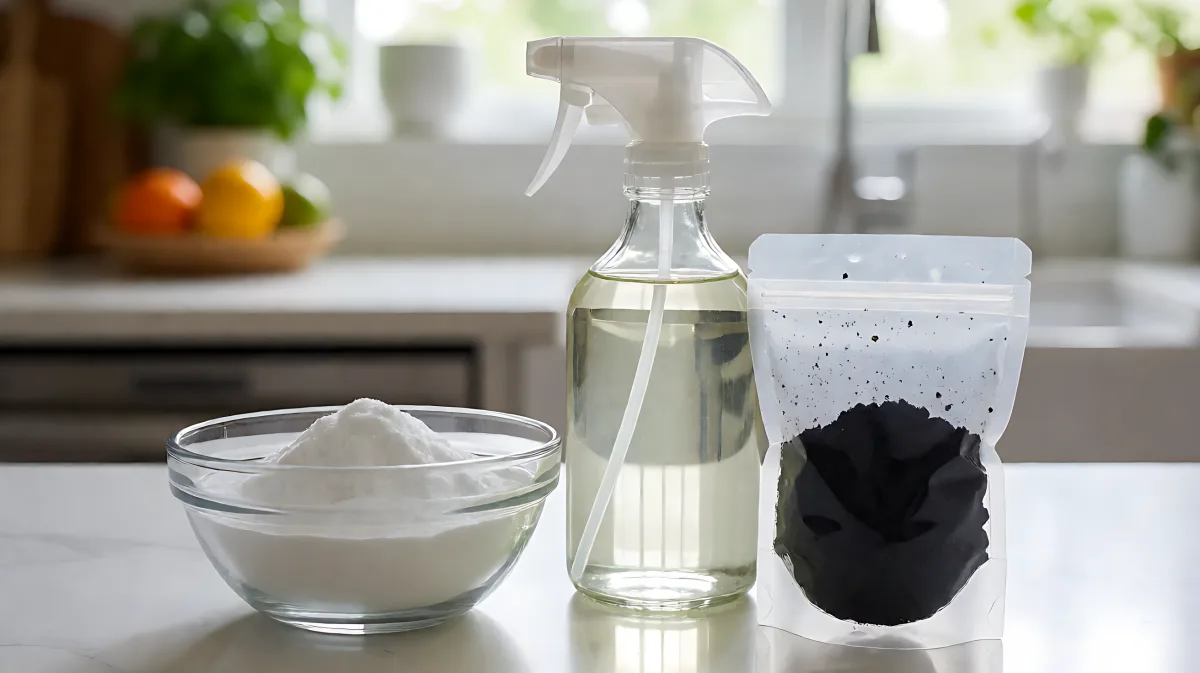
Looking to freshen your home without toxic fumes? This guide explains how natural ingredients like baking soda and activated charcoal neutralize odors at the source, offering safe alternatives to commercial chemical sprays.
Chemical-free odor neutralizers work by destroying smell-causing molecules rather than masking them with fragrance. Using natural ingredients like baking soda, white vinegar, and activated charcoal, you can effectively eliminate odors from pet accidents, cooking smoke, and damp rooms without releasing harmful volatile organic compounds (VOCs) into your home.
Why switch to natural odor neutralizers?
Many families assume that if a product says "odor eliminator" on the label, it is neutralizing the smell. In fact, most commercial sprays simply mask the underlying issue with strong fragrances while releasing toxins like phthalates and formaldehyde into the air. A University of Washington study found that top-selling plug-in air fresheners contained an average of 20 VOCs, including seven chemicals regulated as toxic under U.S. laws. Because these substances can trigger headaches, asthma attacks, and eye irritation, many US and UK households are shifting toward safer alternatives.
Natural neutralizers approach the problem differently. Instead of covering up the scent, they attack the source. Odors are caused by volatile molecules released from bacteria, decaying organic matter, or chemical reactions. Natural ingredients like sodium bicarbonate (baking soda) act as a pH buffer, neutralizing acidic and basic odor compounds. Activated charcoal uses its porous structure to physically trap odor molecules, preventing them from circulating in the air. This dual approach of neutralization and absorption creates a longer-lasting fresh environment without the health risks associated with synthetic aerosols.
What are the most effective natural ingredients?
You do not need expensive boutique products to achieve fresh air. Several pantry staples and simple materials offer powerful results.
Baking Soda is a versatile absorber that reacts with both acidic and basic odor molecules. It is particularly effective for carpets, upholstery, and refrigerators. White Vinegar, containing acetic acid, breaks down the volatile compounds responsible for strong smells like fish or sweat. While the vinegar scent may be noticeable initially, it dissipates quickly as it dries, leaving no lingering smell behind. Activated Charcoal is a passive absorber that works best when placed in enclosed spaces like closets, shoes, or garbage bins. Its high surface area allows it to capture thousands of odor molecules per square inch. Finally, Essential Oils like tea tree and eucalyptus add antimicrobial properties, helping to kill the bacteria that produce the odors in the first place.
How do you make a chemical-free odor spray at home?
Creating your own spray is cost-effective and allows you to control the concentration of ingredients. Here is a simple, safe recipe for an all-purpose natural odor eliminator suitable for kitchens, bathrooms, and living areas.
- 2 cups of distilled water
- 1/3 cup of baking soda
- 10 drops of lemon or eucalyptus essential oil
- A clean spray bottle
Mix the water and baking soda in a saucepan over low heat, stirring gently until the soda is fully dissolved. Let the solution cool completely before adding the essential oils. Pour the mixture into your spray bottle. Shake gently before each use. This solution works best on fabrics and surfaces; for hard stains, let it sit for five minutes before wiping.
What is the best method for neutralizing stubborn odors in basements and drains?
Damp environments like basements and drains are breeding grounds for mold and bacteria, which produce sulfur-containing compounds that smell foul. A simple vinegar and baking soda reaction can help clear these areas.
For drains, pour half a cup of baking soda into the drain, followed by half a cup of white vinegar. The fizzing reaction helps dislodge grime and neutralize odors. Let it sit for 20 minutes, then flush with hot water. For basement floors, mix three cups of warm water with one cup of vinegar in a spray bottle. Scrub damp surfaces with a brush and dry immediately with a clean cloth to prevent mold growth. If the vinegar smell is too strong for you, add two drops of lavender or eucalyptus oil to the solution; the scent will fade as the liquid evaporates.
When should you use activated charcoal instead of sprays?
Activated charcoal is best for passive, long-term odor control in small, enclosed spaces where spraying is inconvenient. It does not require maintenance or recharging for months if used correctly. A standard 200g bag of high-quality bamboo charcoal can cover approximately 90 square feet for up to two years. It is ideal for:
- Closets: Place one bag on the floor to neutralize clothing smells.
- Shoes and Sneakers: Leave a small piece of loose charcoal or a dedicated charcoal insole inside wet or sweaty footwear overnight.
- Garages and Workshops: Charcoal absorbs the metallic and petroleum odors that sprays often fail to hide.
While charcoal is highly effective, it will eventually become saturated. To extend its life, you can "recharge" it by placing it in direct sunlight for a few hours once a month, which helps evaporate trapped moisture and odors.
What common mistakes should you avoid when neutralizing odors?
One of the most frequent errors is using a mixture of vinegar and chlorine bleach. While both are cleaning agents, combining them creates toxic chlorine gas. Always separate these products in your cleaning routine. Additionally, many homeowners think that opening a window is enough to remove a smell. In reality, without addressing the source (such as a leak, mold, or bacterial buildup), the odor will return as soon as humidity levels rise. Natural neutralizers work best when paired with proper ventilation and source remediation.
Frequently Asked Questions
Is it safe to use baking soda on all household surfaces?
Yes, baking soda is safe for most hard and soft surfaces, including carpets, vinyl, and stone. However, it is mildly abrasive, so it is best to avoid scrubbing delicate finishes or polished wood with dry baking soda. For fabrics, sprinkle it, let it sit, and vacuum it up to prevent residue buildup.
How long does it take for natural odor neutralizers to work?
It depends on the method. A vinegar and baking soda drain treatment works within 20 to 30 minutes. Spraying a DIY neutralizer on fabrics takes effect as the liquid dries, usually within an hour. Activated charcoal works passively over days to weeks, continuously absorbing molecules as they are released.
Can essential oils replace the need for neutralizers?
No, essential oils primarily add fragrance or have antimicrobial properties. They do not neutralize acid or base odor molecules the way baking soda does. For the best results, combine an essential oil with a true neutralizer like vinegar or baking soda to tackle the root cause of the smell while adding a pleasant scent.