Unintentional Weight Loss in Seniors: Causes & Screening
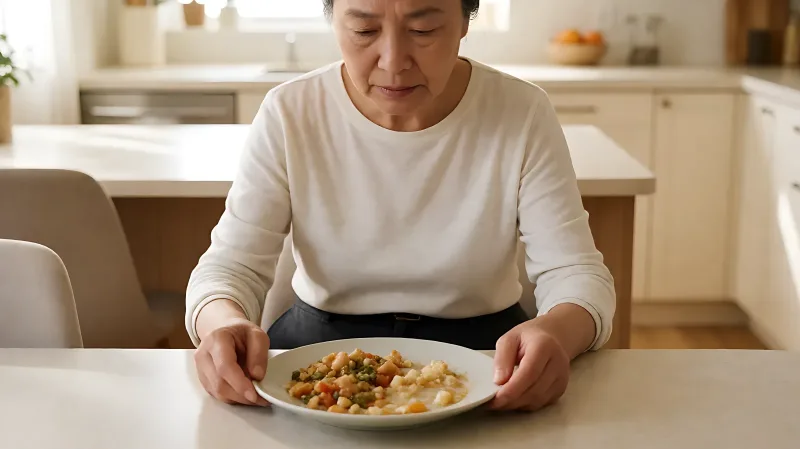
Unintentional weight loss in adults over 65 is a major health red flag. This guide covers the top causes, from medication side effects to social isolation, and outlines the recommended screening protocols.
Unintentional weight loss in adults over 65 signals increased risk of death and disability. Losing 5% or more of body weight in six to 12 months without trying is a medical warning. It often stems from hidden illnesses, medication side effects, or social isolation. Early detection through simple screening and targeted nutrition care can reverse the damage before it becomes permanent.
For more information, see NIA healthy eating guidance from the National Institute on Aging.
Why Is Unintentional Weight Loss Dangerous for Seniors?
For older adults, a drop in weight is rarely a positive change. Research published in JAMA Network Open confirmed that even a 5% weight loss increases mortality risk in healthy older men and women. Unlike younger populations, weight gain in seniors does not carry the same immediate mortality risk, making weight loss the critical indicator to monitor.
The American Geriatrics Society emphasizes that unintentional weight loss is often the first visible sign of underlying conditions such as cancer, kidney disease, or depression. Because older bodies lose muscle mass naturally as part of the aging process, it can be difficult to distinguish normal aging from pathological weight loss. However, a 5% drop within a year is not normal and requires medical attention.
What Are the Common Causes of Appetite Loss?
Physicians use several frameworks to identify the root cause of weight loss. Often, the cause is not a single disease but a combination of factors.
Are Medical Conditions the Main Culprits?
Malignancy accounts for up to one-third of all cases of unexplained weight loss in older adults. Other significant medical causes include:
- Chronic diseases: Heart failure, chronic obstructive pulmonary disease (COPD), and chronic kidney disease cause metabolic stress that burns calories and reduces appetite.
- Diabetes: Poorly managed blood sugar levels can lead to rapid weight loss.
- Thyroid issues: Hyperthyroidism accelerates metabolism.
- Dental and swallowing problems: Pain or difficulty chewing and swallowing makes eating painful or dangerous, leading to reduced food intake.
Do Medications Play a Role?
Polypharmacy, or taking multiple medications, is a frequent but overlooked cause. Many drugs have side effects that suppress appetite or alter taste. Medications for blood pressure, depression, and pain can induce nausea or change the flavor of food, causing seniors to eat less. A careful medication review is a standard part of the evaluation process.
How Do Social Factors Impact Eating Habits?
Social isolation and financial constraints significantly impact nutrition. Seniors living alone may skip meals because preparing food is too difficult or expensive. Grief, depression, and cognitive decline like dementia also drastically reduce the desire to eat. The Centers for Disease Control and Prevention (CDC) notes that social determinants of health are just as critical as biological factors in maintaining weight stability.
How Do Doctors Screen for the Underlying Cause?
When a senior reports weight loss, the evaluation focuses on finding the treatable cause. The American Academy of Family Physicians (AAFP) recommends a structured approach to diagnosis.
What Lab Tests Are Recommended?
Standard screenings include a complete blood count to check for anemia or infection, a metabolic panel to assess kidney and liver function, and thyroid tests. Inflammatory markers like C-reactive protein and erythrocyte sedimentation rate help identify hidden infections or autoimmune issues.
What Imaging and Physical Exams Are Needed?
Physicians typically order a chest X-ray and a fecal occult blood test to screen for common cancers. Abdominal ultrasonography may be used to examine the liver, gallbladder, and pancreas. If these initial tests are negative, doctors often monitor the patient for three to six months before considering more invasive procedures.
When Should I See a Doctor Immediately?
Seek care if the weight loss is rapid (over 10% in six months), accompanied by difficulty swallowing, or combined with new symptoms like persistent fatigue or night sweats. Early intervention improves outcomes significantly.
What Nutrition Strategies Help Reverse Weight Loss?
Once the cause is identified, the treatment shifts to nutritional support. The goal is not just to gain weight, but to maintain muscle mass and strength.
How Can I Make Meals More Appealing?
Taste changes with age, so food must be flavorful to encourage eating. Family and friends can help by preparing meals with strong aromas and preferred spices. Cutting food into smaller pieces can help those with dental issues. Scheduling regular mealtimes, even if eating alone, builds a routine that stimulates appetite.
Are Supplements or Appetite Stimulants Effective?
The American Geriatrics Society advises against using prescription appetite stimulants or high-calorie supplements as a primary treatment. These methods often do not address the underlying issue and can cause side effects. Instead, focus on natural calorie-dense foods like nut butters, olive oil, and whole milk. If a patient is unable to eat enough, a registered dietitian can design a personalized plan that respects their preferences and chewing abilities.
Frequently Asked Questions
How much weight loss is considered unintentional in seniors?
Weight loss of 5% or more of the usual body weight over a six-to-12-month period is the standard clinical definition. For a person weighing 165 pounds, that is a loss of roughly eight pounds without any dietary changes.
Can depression cause weight loss in older adults?
Yes. Depression and anxiety are leading psychological causes. The loss of interest in food and daily activities often leads to skipped meals. Screening for mental health issues is a vital part of the weight loss evaluation.
What if the doctor cannot find a cause?
In about 6% to 28% of cases, a specific disease is not identified. Doctors typically recommend a period of observation for three to six months. During this time, supportive care including social support, medication reviews, and nutritional guidance is essential to prevent further decline.
Does weight gain in seniors lower mortality risk?
Recent studies indicate that while weight loss increases death risk in older adults, weight gain does not necessarily lower it. The focus should remain on maintaining stable, healthy weight through balanced nutrition and activity rather than trying to gain weight.