Unintended Weight Gain in Seniors: Thyroid, Heart & Meds
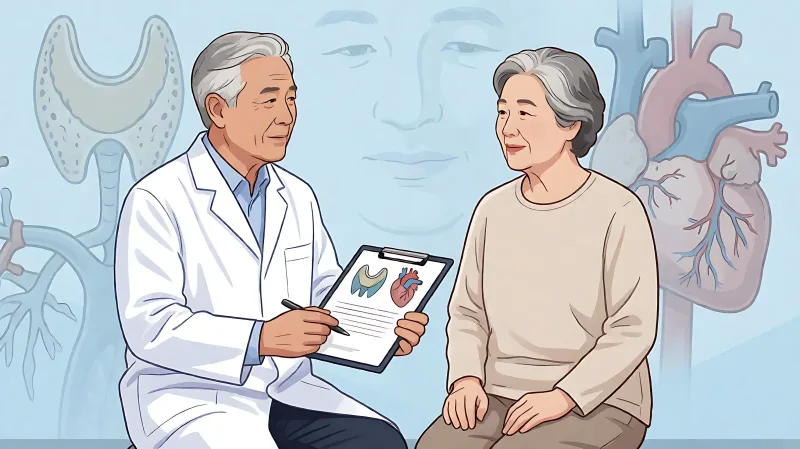
Unintended weight gain in older adults is often linked to thyroid dysfunction, heart medications, and metabolic changes. Learn to identify the causes and when to consult a doctor.
Unintended weight gain in older adults is frequently driven by thyroid dysfunction, heart failure medications, and metabolic slowing. According to the American Thyroid Association, hypothyroidism affects up to 10% of Americans, often causing gradual weight retention. Additionally, beta-blockers and other cardiovascular drugs can slow metabolism. Identifying the specific medical or pharmaceutical cause is essential for effective management.
For more information, see NIA health information for older adults from the National Institute on Aging.
Why does my thyroid cause weight gain in older adults?
The thyroid gland regulates metabolism. When it produces insufficient hormones, a condition known as hypothyroidism, the body’s energy-burning rate drops. This leads to fluid retention and fat storage. Hashimoto’s thyroiditis is the most common cause of hypothyroidism in the United States, affecting approximately 5 in 100 Americans. Symptoms are often subtle in seniors, including fatigue, dry skin, and cold intolerance. The Centers for Disease Control and Prevention (CDC) notes that undiagnosed thyroid issues can mask other health problems in the elderly.
- Hashimoto’s thyroiditis: An autoimmune disorder where the immune system attacks the thyroid.
- Medication-induced hypothyroidism: Some treatments for hyperthyroidism can overcorrect hormone levels.
- Post-surgical effects: Removing part or all of the thyroid requires lifelong hormone replacement, which can lead to weight gain if dosages are not carefully monitored.
How do heart medications contribute to weight gain?
Certain cardiovascular drugs used to manage heart failure or arrhythmias can alter fluid balance and metabolic rate. Beta-blockers, commonly prescribed for hypertension and heart disease, may slow the resting heart rate and reduce overall energy expenditure. This can make it easier for older adults to gain weight if caloric intake is not adjusted. The American Heart Association emphasizes that while these medications save lives, patients must monitor their weight regularly to detect side effects early.
- Beta-blockers: Can decrease metabolic rate and reduce physical stamina.
- Corticosteroids: Often used for inflammation, these drugs cause significant water retention and increased appetite.
- Diuretics withdrawal: If diuretics are stopped or reduced, accumulated fluid may return, causing sudden weight fluctuations.
Are metabolic changes in aging a primary cause?
Aging naturally slows metabolism and reduces muscle mass, a process called sarcopenia. However, sarcopenia typically leads to weight loss, not gain, unless accompanied by excessive caloric intake and sedentary behavior. In the context of unintended weight gain, it is more likely that a combination of reduced physical activity and metabolic slowing due to hormonal changes is responsible. The National Institute on Aging advises that maintaining muscle mass through resistance training helps preserve metabolic health in seniors.
What role does insulin resistance play?
Older adults are more prone to type 2 diabetes and insulin resistance. This condition causes the body to store excess energy as fat rather than using it for fuel. If an older adult is on medication for diabetes, weight gain can occur if the treatment regimens are not balanced with dietary and lifestyle changes.
When should I be concerned about weight gain?
Unintended weight gain should be evaluated if it occurs rapidly or is accompanied by other symptoms. The Consumer Product Safety Commission (CPSC) and medical guidelines recommend seeking care if weight gain is paired with swelling in the legs, shortness of breath, or extreme fatigue. These can be signs of heart failure or severe thyroid dysfunction.
- Monitor weekly weight: Use the same scale and time of day for consistent readings.
- Track symptoms: Note any changes in energy levels, temperature sensitivity, or mood.
- Review medications: Keep a list of all prescriptions to discuss with your healthcare provider.
Frequently Asked Questions
Can I reverse thyroid-related weight gain?
Yes, adjusting thyroid hormone medication under the supervision of an endocrinologist can restore metabolic function and help manage weight. Blood tests measuring TSH and T4 levels guide this process.
Do beta-blockers cause permanent weight gain?
Beta-blockers can contribute to weight gain, but the effect is often manageable. If weight gain becomes problematic, a doctor may adjust the dosage or switch to an alternative medication.
Is fluid retention a type of weight gain?
Yes, the body can hold excess water, which adds to total body weight. This is common in heart disease and kidney issues. Diuretics are often prescribed to manage this specific type of weight fluctuation.
How often should seniors get their thyroid checked?
The American Medical Association suggests screening older adults, especially those with symptoms or a family history of thyroid disease. Regular check-ups every few years are recommended for those without known thyroid issues.
Can diet alone fix medication-induced weight gain?
While diet and exercise help manage weight, they may not fully reverse side effects caused by strong medications. Medication adjustment by a physician is often necessary in these cases.