Post-Accident Recovery: Critical Steps & Timelines
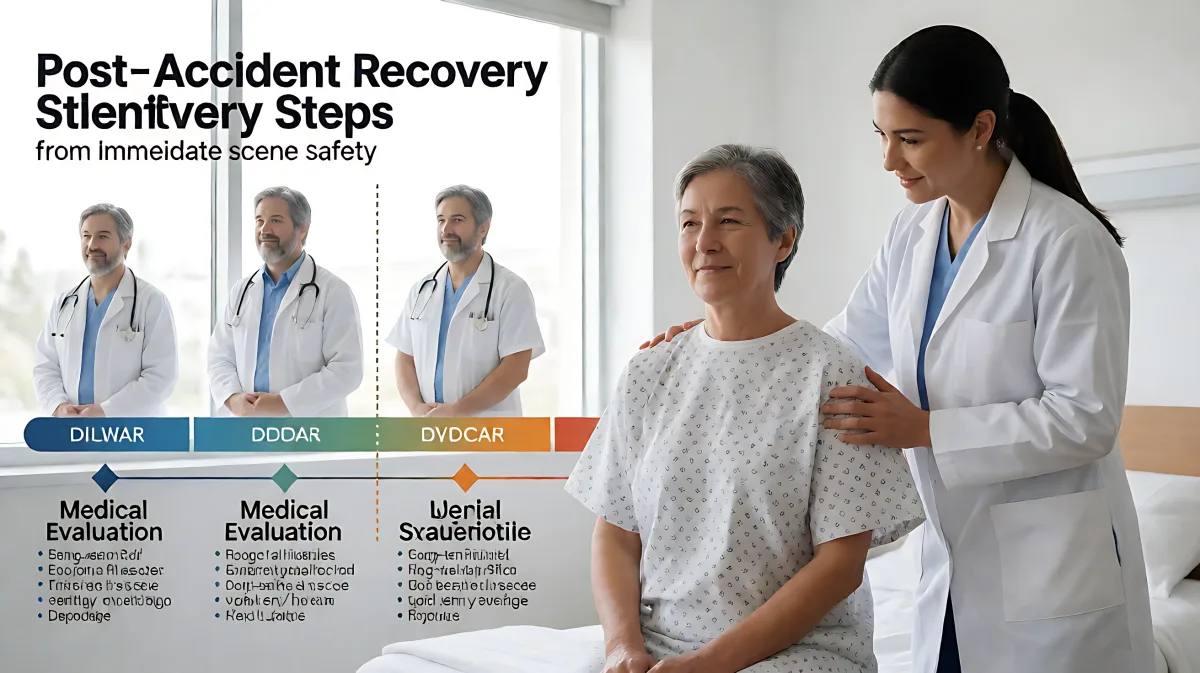
Accidents can be overwhelming. This guide breaks down the critical steps for immediate safety, medical deadlines, and long-term rehabilitation to help you recover fully.
Recovering after a car accident requires a structured approach to ensure safety and full healing. You must seek medical evaluation within 14 days to preserve Personal Injury Protection benefits in states like Florida. Beyond physical care, you need to document the scene thoroughly and support your mental health. This guide outlines the essential steps for a smooth recovery.
What are the immediate steps to take at the accident scene?
Your primary goal is safety. Before handling paperwork, you must assess yourself and passengers for injuries. If anyone is unconscious or bleeding heavily, call emergency services immediately. Even if the crash seems minor, contacting the police creates an official record that is vital for insurance claims. Do not move anyone with potential neck or spinal injuries unless there is imminent danger.
How should you document the scene effectively?
Documentation is the backbone of your claim and medical case. Use your phone to capture photos of all vehicles from multiple angles, focusing on damage and license plates. Take wide shots of the road conditions, traffic signals, and skid marks. Exchange contact and insurance information with the other drivers, but keep conversations factual. Avoid admitting fault or making apologetic statements, as insurance companies scrutinize these comments later.
Why is the 14-day medical deadline critical?
Many families assume that if they feel fine, they can wait to see a doctor. In fact, this delay can be costly. In Florida, the law requires you to seek medical treatment within 14 days of a car accident to keep your Personal Injury Protection benefits active. Missing this window allows insurers to legally deny coverage for your injuries. Furthermore, immediate evaluation helps detect hidden issues like whiplash or concussions that may not be obvious in the first few hours due to adrenaline.
- Seek medical evaluation within 14 days to preserve PIP benefits.
- For workplace injuries, report within 24 to 48 hours to protect workers' compensation claims.
- Undergo diagnostic scans to rule out internal bleeding or fractures.
- Start a symptom journal to track pain levels and changes over time.
How does rehabilitation support long-term recovery?
Recovery is not a single event but a phased process. Physical therapy helps regain mobility and strength, while occupational therapy assists with daily tasks like cooking or bathing. For seniors, this phase is crucial because aging bodies heal slower and may have pre-existing conditions that complicate healing. Chiropractic care and massage therapy can also address soft tissue damage that persists after the initial acute phase.
What role does mental health play in healing?
The psychological impact of an accident is often overlooked. Anxiety, fear of driving, or post-traumatic stress can hinder physical progress. A comprehensive recovery plan includes counseling and support groups. Family members can help by maintaining open communication and providing reassurance, which reduces isolation and motivates the patient to engage in therapy.
How should you adapt your home for safe recovery?
Your home becomes a recovery center. You need to make practical adjustments to prevent secondary falls. Install grab bars in the bathroom and clear walkways of clutter. If you are using a walker or wheelchair, ensure your living space is reorganized to accommodate this device. For seniors, hiring a post-hospital care nurse can help with wound care, medication management, and monitoring for signs of infection or blood pressure changes.
What are common mistakes to avoid during recovery?
A frequent error is rushing the rehabilitation process. Recovery progresses through protection, restoration, and strengthening. Trying to return to full activity too early can cause setbacks and weaken your legal claim if injuries persist. Consistency in treatment is key; gaps in care give insurance companies grounds to reduce compensation. Always follow the prescribed treatment plan and maintain detailed records of every appointment and invoice.
Frequently Asked Questions
How long does it take to fully recover from a car accident?
Recovery timelines vary, but simple soft tissue injuries may heal in a few weeks. Fractures or head injuries can take months. The 14-day initial assessment is the most critical first step, but full rehabilitation often requires several months of consistent physical and occupational therapy.
What should I include in my accident documentation?
Keep a folder with police reports, insurance information, photos of the scene, medical bills, and a daily symptom journal. This comprehensive record strengthens your insurance claim and ensures medical providers have all necessary context for your care.
Is in-home care beneficial after a hospital stay?
Yes, in-home care reduces the risk of falls and helps manage complex medications or wound care. It allows the patient to heal in a familiar environment, which can improve emotional well-being and adherence to the recovery plan.