Safe Home Exercise Zone Tips for Type 2 Diabetes
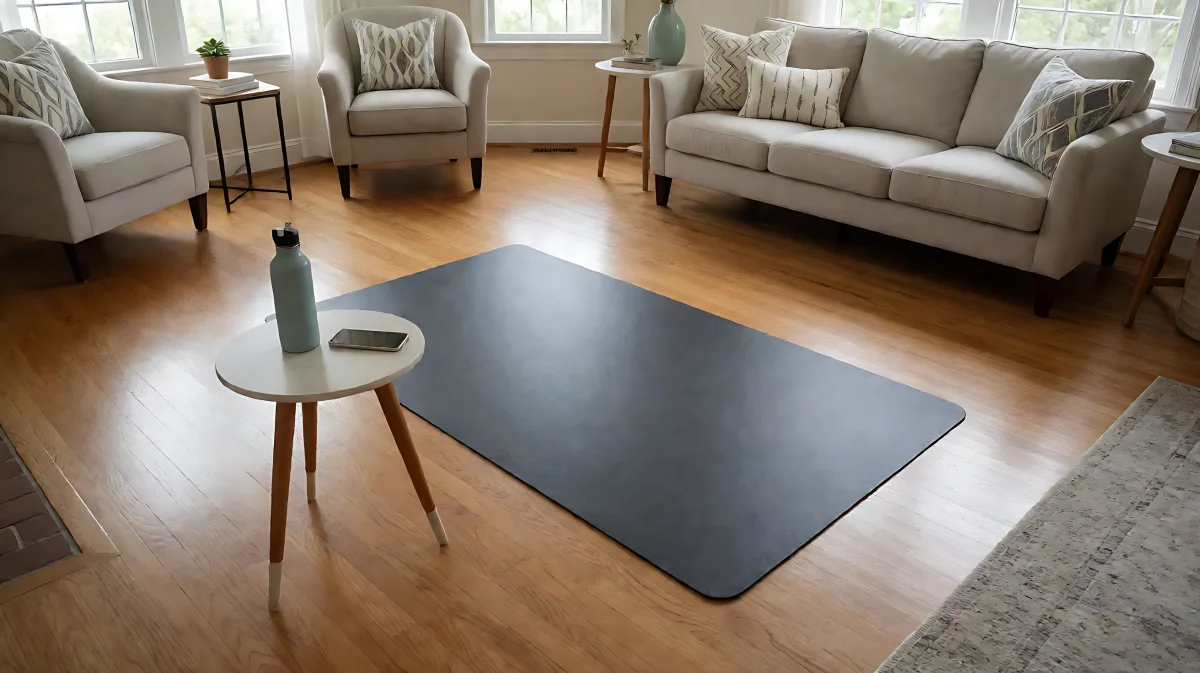
Working out at home offers convenience, but it requires specific precautions for adults with type 2 diabetes. Learn how to choose the right mat, prevent hypoglycemia, and set up a safe space.
Creating a safe home exercise environment for type 2 diabetes requires more than just clearing floor space; it involves selecting the right equipment and managing your blood glucose. Before you start, confirm that your current footwear and room layout will not lead to falls or blisters, and ensure you have a rapid-acting source of carbohydrates nearby in case your sugar levels drop.
Many adults living with type 2 diabetes assume that a thick, plush carpet or a soft foam mat is the safest surface for a home workout, but in fact, both can increase the risk of tripping or rolling an ankle. According to health experts, a specialized non-slip mat that is approximately half an inch thick provides the ideal balance of cushioning for your joints and stability to keep your footing secure. This thickness is critical because a surface that is too thick or uneven can cause your feet to shift unexpectedly during a movement, while a hard floor offers zero shock absorption.
Why Your Mat Matters
What makes a mat safe for diabetes?
When managing type 2 diabetes, your feet are a primary concern. Neuropathy or reduced circulation can make it harder to feel small injuries. A proper mat acts as a protective layer that reduces pressure on your knees and feet, lowering the risk of developing hot spots or blisters that might go unnoticed. A good mat should have a matte, non-slip underside that grips the floor. You do not need a fancy, expensive piece of technology; a basic set of interlocking foam tiles or a standard non-slip yoga mat that is about half an inch thick is usually sufficient for most home routines.
How should you prepare the workout space?
Your environment must be safe from physical hazards. Harvard Health advises that a workout space should be wide enough to allow you to move your arms freely without hitting furniture and long enough for full-body floor exercises. Ensure the area is well-lit and well-ventilated. If your room is often humid or a garage, you might need a dehumidifier to prevent overheating, or a carbon monoxide monitor for safety. Keep the floor completely free of clutter, such as throw rugs, which can catch your feet. A clear, level floor prevents the falls that are a significant risk for adults managing blood sugar levels, especially if you are taking medications that might cause dizziness.
Managing Glucose During Your Workout
What should you check before you exercise?
Always monitor your blood glucose before you begin. Exercise can lower your sugar levels, but for some people, it can also raise them. If you have been inactive for a while, the American Diabetes Association suggests talking to your healthcare team to determine which activities are safest for your specific heart, eyes, and feet condition. You should also check your feet before and after your session. Look for any redness, blisters, or cuts. If you spot any non-healing sores, contact your doctor immediately. Wearing appropriate footwear during the workout is just as important as the mat itself; avoid cotton socks that trap moisture and opt for synthetic materials that wick away sweat.
How do you prevent hypoglycemia at home?
Keeping a fast-acting carbohydrate source, like glucose tablets or juice, within arm's reach is a non-negotiable safety measure. If you feel shaky, sweaty, or irritable during your routine, stop and test your blood sugar. If it is low, treat it immediately. For longer sessions lasting more than an hour, you might consider a sports drink, but be careful to check the nutrition facts and potentially dilute it with water to prevent a subsequent spike in blood sugar.
Essential Home Workout Safety Checklist
- Inspect your mat: Ensure it is at least half an inch thick and has a non-slip bottom.
- Clear the floor: Remove throw rugs, cables, and sharp furniture corners from the workout zone.
- Check your feet: Inspect your feet for blisters before you start and again after you finish.
- Carry a phone: Keep a mobile device nearby so you can call for help if you feel light-headed or short of breath.
- Monitor your hydration: Keep a water bottle at your side and take sips between sets.
- Use the talk test: Ensure you can still hold a conversation during your workout; if you are gasping for air, the intensity is too high.
Common Mistakes to Avoid
Do you need a mirror to check your form?
Many people think a full-length mirror is a luxury item, but it is a highly effective safety tool. It allows you to see if you are maintaining proper posture, which prevents muscle strains. If you are on a tight budget, a secure, framed mirror is a low-cost way to improve your exercise safety and ensure you are performing movements correctly without injuring your joints.
Is a smartwatch necessary?
While a smartwatch can track heart rate, you do not need a high-priced device to stay safe. A basic smart speaker or even just your phone set to a voice-activated emergency call feature is a practical way to seek help if you collapse. You can also wear a medical ID bracelet to alert anyone who finds you that you have diabetes.
Frequently Asked Questions
What is the ideal thickness for a home exercise mat?
A mat that is about half an inch thick is generally recommended. This provides enough cushion to protect your joints from the hard floor while remaining firm enough to prevent you from losing your balance or rolling your ankle.
Can I exercise on my living room carpet?
It is generally not recommended. Thick, shaggy carpet can catch the soles of your shoes or cause your feet to slide unevenly, increasing the risk of a fall. A flat, level floor with a non-slip mat on top is the safest option.
How long should I warm up before a home workout?
It is recommended that you warm up for at least five minutes and cool down for five minutes after your session. This lower-intensity period helps get your blood flowing and prepares your joints for the main activity.