How Long Does Pneumonia Last in Elderly Adults?
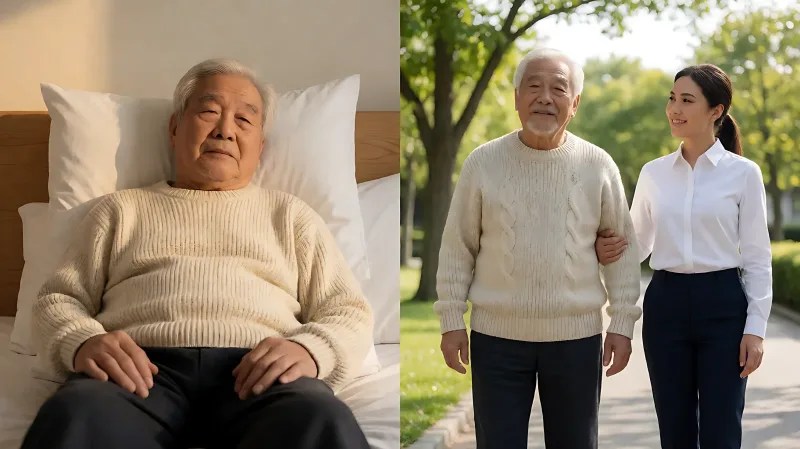
Pneumonia recovery in seniors can take up to six months. This guide breaks down the timeline for reducing fatigue, safe exercise protocols, and key signs that require immediate medical attention.
For elderly patients, feeling fully normal after pneumonia can take three to six months. Most seniors report significant fatigue persisting for at least one month. Recovery speed depends on the severity of the infection and existing health conditions. The National Heart, Lung, and Blood Institute (NHLBI) advises that while fever often resolves within a week, lung capacity and strength return much later.
For more information, see NIA health information for older adults from the National Institute on Aging.
How long does it take seniors to feel normal after pneumonia?
Recovery from pneumonia is not linear, especially for adults over the age of 65. While some younger adults return to daily activities in a week, the American Lung Association (ALA) notes that older adults are more than 10 times as likely to be hospitalized with pneumococcal pneumonia compared to those aged 18 to 49. This increased severity often extends the recovery window significantly.
For most seniors, the physical toll of the infection means that while the acute illness may end in a few weeks, the residual effects last much longer. A classic study cited in medical literature suggests that while some older adults recover in six weeks, it may take up to 12 weeks for others to regain baseline energy levels. If the pneumonia was severe enough to require hospitalization, clinicians often anticipate a timeline of one to six months before the patient feels completely back to their pre-illness state.
What is the typical recovery timeline for older adults?
Understanding the stages of recovery helps set realistic expectations. The British Lung Foundation outlines a general progression that aligns with clinical observations for seniors:
- Week 1: The fever should be gone, but fatigue remains high. Rest is the primary focus.
- Week 4: Chest discomfort decreases, and mucus production begins to normalize.
- Week 6: Coughing becomes less frequent, and breathing feels easier, though stamina is still low.
- 3 Months: Most acute symptoms have resolved, but lingering fatigue and reduced exercise tolerance are common.
- 6 Months: Many seniors report feeling back to their usual selves, though this varies by individual health history.
It is critical to remember that fatigue is the most persistent symptom. The NHLBI explains that the body uses significant energy to clear fluid and debris from the air sacs in the lungs. This process, combined with muscle weakness from inactivity during the acute phase, creates a prolonged period of low energy.
Why does pneumonia cause prolonged fatigue in the elderly?
As we age, our immune systems become less efficient at fighting off infections. When pneumonia strikes, the immune response is often more systemic, leading to greater inflammation and muscle wasting. The American Lung Association highlights that older adults may present with atypical symptoms, such as confusion or sudden mobility decline, which further complicates recovery.
The fatigue experienced after pneumonia is often not just a lack of sleep. It is a physiological response to the damage inflicted on the lungs. The air sacs, known as alveoli, become inflamed and fill with fluid. Even after the infection is cleared by antibiotics or antiviral medication, the lungs must absorb this fluid and repair the tissue. This repair process drains the body's energy reserves.
Additionally, seniors are more prone to complications that extend recovery. These can include pleurisy, which is inflammation of the lung lining, or even mild acute respiratory distress. If a senior experiences weight loss during the acute phase, regaining muscle mass takes even longer, contributing to a sensation of frailty and exhaustion.
How can seniors safely regain strength after pneumonia?
Rest is vital, but complete inactivity can lead to deconditioning, which makes fatigue worse. The key is graded activity. Pulmonologists recommend a gentle, progressive approach to exercise. For mild cases, starting with short walks around the house and gradually increasing to outside walks is effective.
For those who were hospitalized, the NIH suggests considering pulmonary rehabilitation. This program includes supervised breathing exercises and strength training tailored to lung capacity. Deep breathing exercises, performed several times a day, help expand the lungs and clear residual mucus.
Nutrition plays a massive role in energy recovery. Seniors should focus on high-protein foods to repair muscle tissue and plenty of fluids to thin mucus. Avoiding alcohol and secondhand smoke is non-negotiable, as both irritate the healing lungs and suppress the immune system.
What daily habits support faster recovery?
- Hydrate aggressively: Drink at least six to eight 8-ounce glasses of water daily to keep mucus loose.
- Prioritize sleep: Aim for 7 to 9 hours per night. Sleep is when the body repairs lung tissue.
- Eat small, frequent meals: Large meals can divert blood flow away from the lungs to digestion, causing shortness of breath. Eating 5 to 6 small meals may be easier to manage.
- Monitor oxygen levels: If a pulse oximeter is available, track resting oxygen saturation. Levels below 92 percent warrant a call to the doctor.
When should an elderly patient seek emergency care?
Recovery should be gradual, but some signs indicate the infection may be returning or complications are developing. The CDC and medical professionals advise immediate contact with a healthcare provider if you notice:
- Shortness of breath that worsens with minimal activity.
- A return of fever, particularly if it exceeds 102°F (38.9°C).
- Chest pain that is new or different from the original illness.
- Confusion, delirium, or sudden changes in mental status.
- Bluish or grayish discoloration of lips or fingertips, indicating low oxygen.
In older adults, the absence of a high fever does not mean the infection is gone. Pneumonia can present with low-grade fevers or even hypothermia. If an elderly person appears worse rather than better after two weeks of treatment, a follow-up chest X-ray is often recommended to check for unresolved infection or other conditions.
What role do vaccines play in prevention and recovery?
Prevention is the best way to avoid the fatigue of recovery. The CDC recommends that adults 65 and older receive pneumococcal vaccines, such as PCV20 or PCV21, to protect against the most common bacterial causes of pneumonia. The influenza vaccine is also crucial, as flu is a leading trigger for pneumonia in seniors. Staying up to date on these immunizations reduces the risk of a recurrence that could further compromise lung function.
FAQs
How long does it take for a senior to stop coughing after pneumonia?
A lingering cough is common and can last for up to four to six weeks. The cough is often the body's way of clearing out the remaining fluid and debris from the lungs. If the cough persists beyond two months or produces blood, consult a doctor to rule out other issues.
Is it normal to feel tired for months after pneumonia?
Yes. For older adults, it is not unusual to feel fatigued for three to six months. The body has used significant energy to fight the infection. Gradual reintroduction of physical activity and adequate nutrition can help restore energy levels, but patience is required.
Can elderly patients develop permanent lung damage from pneumonia?
While most seniors recover fully, severe pneumonia can lead to scarring or reduced lung capacity. The risk is higher for those with pre-existing conditions like COPD or emphysema. Pulmonary function tests can be conducted after recovery to assess lung health and guide future care.
What is the best exercise for a senior recovering from pneumonia?
Start with 5-minute walks every hour, increasing the duration as tolerated. Seated breathing exercises and gentle stretching are also beneficial. Avoid strenuous activities until cleared by a physician. The goal is to maintain circulation and lung expansion without exhausting the patient.
When should a family caregiver worry about pneumonia recovery?
Worry if the senior experiences a sudden decline in mobility, increased confusion, or shortness of breath at rest. These are red flags for sepsis or respiratory failure. In such cases, emergency services should be contacted immediately.