Shingles Eye Involvement: Urgent Care Guide
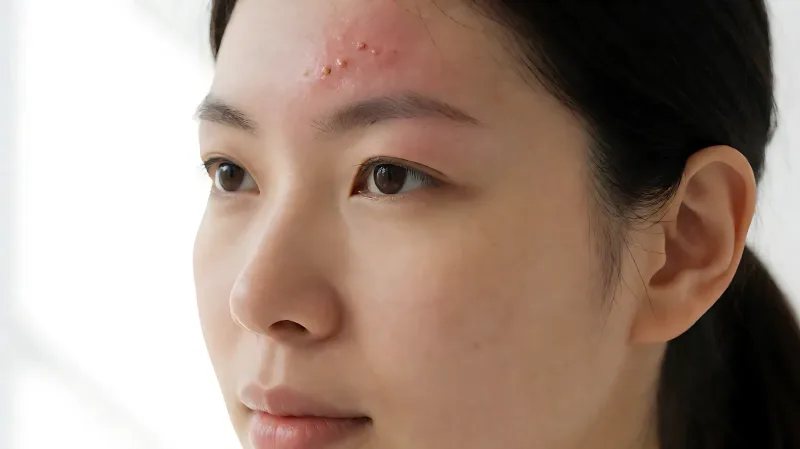
Shingles affecting the eye, known as herpes zoster ophthalmicus, requires immediate medical attention. This guide details the critical 72-hour antiviral window, specific warning signs on the face, and long-term vision risks for adults in the US and UK.
Shingles near the eye, medically termed herpes zoster ophthalmicus, is a urgent condition that requires immediate medical evaluation. The virus reactivates in the trigeminal nerve, causing blisters on one side of the face and threatening vision. Effective antiviral treatment must typically begin within 72 hours of the rash appearing to minimize complications like permanent nerve pain and corneal damage.
For more information, see NIA health information for older adults from the National Institute on Aging.
The chickenpox virus, or varicella-zoster virus, lies dormant in nerve cells after the initial childhood infection. When it reactivates, it causes shingles. If this happens in the ophthalmic division of the trigeminal nerve, the resulting outbreak affects the forehead, upper eyelid, and the eye itself. Unlike typical shingles on the back or torso, eye involvement carries a significant risk of sight-threatening inflammation. The American Academy of Ophthalmology emphasizes that this form of shingles can lead to severe issues such as glaucoma, cataracts, and optic nerve damage if not managed promptly.
What are the specific symptoms of shingles in the eye?
Before the rash appears, patients often experience days of burning, tingling, or aching pain on one side of the forehead. This prodromal pain can be mistaken for a migraine or sinus issue. Once the rash emerges, it follows a specific pattern: a stripe of blisters that respects the midline of the face, meaning it does not cross over to the other side.
Key visual indicators include:
- One-sided facial rash: Grouped blisters on red, inflamed skin over the forehead and upper eyelid.
- Eye Irritation: Redness, tearing, and extreme sensitivity to light (photophobia).
- Blurred Vision: A sign that the cornea or the interior of the eye is inflamed.
- Postherpetic Neuralgia: Sharp, burning pain that persists for months or years after the rash has healed, particularly common in older adults.
What is Hutchinson's sign and why is it critical?
Hutchinson's sign is the appearance of blisters on the tip or side of the nose. This specific symptom is a vital diagnostic marker because the same nerve branch that supplies the nasal tip also innervates the eye. The presence of blisters on the nose predicts a substantially higher chance of internal eye involvement. According to clinical guidelines, if you notice blisters on the nose, you should seek same-day eye care to check for corneal ulcers or uveitis.
How quickly should treatment start?
Time is the most critical factor in managing eye-related shingles. Oral antiviral medications, such as acyclovir, valacyclovir, or famciclovir, are most effective when started within 72 hours of the initial rash. Starting treatment within this window shortens the duration of the illness, reduces the severity of the rash, and significantly lowers the risk of developing postherpetic neuralgia. For patients whose eyes are involved, an ophthalmologist will likely prescribe topical antiviral or steroid eye drops in addition to systemic oral medication to protect the cornea.
What long-term eye damage can result from untreated shingles?
If the viral infection is not controlled, it can inflame the deep structures of the eye. The American Academy of Ophthalmology notes that untreated herpes zoster ophthalmicus can lead to keratitis, which is a breakdown of the cornea's surface. It can also cause optic neuritis, leading to vision loss. Furthermore, the healing process can cause scarring on the eyelids, a condition known as cicatricial ectropion. This scarring pulls the eyelid outward, preventing it from closing properly. An eyelid that cannot close exposes the cornea to the air, leading to chronic dryness, severe irritation, and potential bacterial infections. In severe cases, reconstructive surgery by an oculoplastic surgeon may be necessary to restore the eyelid's function.
Can shingles be caught from another person?
You cannot catch shingles directly from someone else. Shingles is a reactivation of the virus already in your body. However, the virus is contagious through direct contact with open blisters. If a person who has never had chickenpox comes into contact with the open blisters of someone with shingles, they may develop chickenpox, not shingles. To prevent transmission, individuals with active shingles should cover the rash and avoid contact with pregnant women, infants, and immunocompromised individuals.
Who is at higher risk for developing eye shingles?
Risk increases significantly with age, with the majority of cases occurring in adults over 50. However, a study published in Clinical Infectious Diseases found that incidence among adults aged 35 to 55 in the US has been rising. Other risk factors include a weakened immune system due to illness, chemotherapy, or medications like corticosteroids. Stress and fatigue can also trigger reactivation. Women face a slightly higher risk, with studies indicating a 38% higher odds of developing shingles compared to men, possibly linked to hormonal changes and autoimmune conditions.
How does the Shingrix vaccine prevent eye shingles?
Prevention is the most effective way to avoid herpes zoster ophthalmicus. The CDC recommends the Shingrix vaccine for all adults aged 50 and older, regardless of whether they remember having chickenpox. The vaccine is also recommended for immunocompromised adults aged 19 and older. Clinical trials have shown that Shingrix lowers the risk of shingles by more than 90% in older adults and significantly reduces the risk of postherpetic neuralgia. In the UK, the NHS offers the Shingrix vaccine to adults turning 65, those aged 70 to 79, and severely immunosuppressed individuals aged 18 and over.
What should I do if I suspect I have shingles near my eye?
Seek medical attention immediately. Do not wait for a scheduled appointment. Call your primary care provider or visit an urgent care clinic and request a same-day evaluation. If you have blisters on your nose, eye pain, or blurred vision, go to an ophthalmologist or eye emergency department. Mention that you suspect herpes zoster ophthalmicus so they can prioritize your care and start antivirals within the optimal 72-hour window.
Can eye drops alone treat shingles in the eye?
No. Eye drops, which may include antiviral or steroid solutions, are used to manage local inflammation and prevent corneal damage. However, they do not stop the viral replication throughout the body. You must take oral antiviral medication to control the infection systemically and prevent long-term nerve pain. Combination therapy is the standard of care.
How long does the rash last?
The blisters typically progress from fluid-filled vesicles to pustules, and finally to crusts over one to two weeks. The pain, however, can last much longer. For many patients, the acute pain resolves as the skin heals, but a significant number experience postherpetic neuralgia, which can persist for months or even years after the rash is gone.
Is shingles in the eye dangerous?
Yes, it is considered a medical emergency relative to standard shingles. While it rarely causes blindness if treated promptly, it can lead to permanent vision loss, glaucoma, and cataracts if the inflammation is not controlled. The risk is highest in the first few days after the rash appears, making urgent care essential.