How to Build a Safe and Sensory Garden for Senior Care
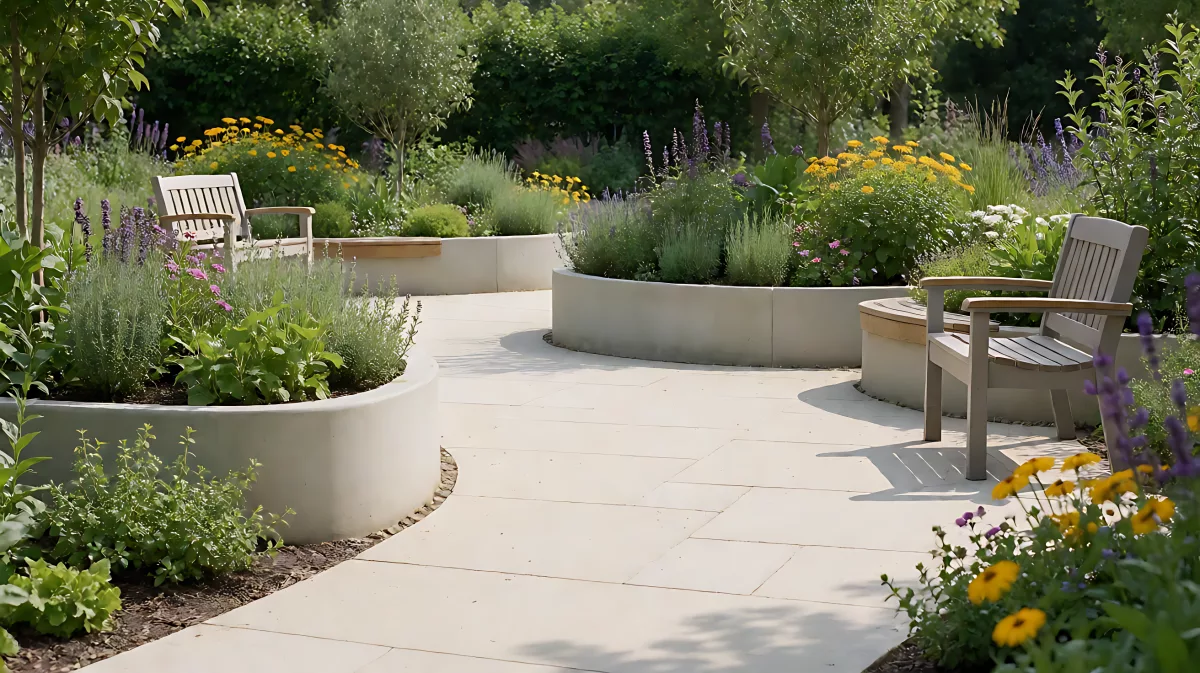
A well-designed garden can be a powerful tool for senior care. Learn how to create a safe, sensory-rich outdoor space that supports mobility, cognition, and emotional well-being for older adults.
A therapeutic garden for seniors is a carefully designed outdoor space that prioritizes safety, sensory stimulation, and ease of access. It uses raised beds, wide smooth paths, and aromatic plants to help reduce anxiety, support cognitive function, and encourage gentle physical activity for older adults and those with dementia.
Why Do Gardens Matter in Senior Care?
For many older adults, time spent in nature provides a rare sense of control and connection. Research in geriatric psychology suggests that exposure to greenery can lower blood pressure and improve mood. In care facilities like River Garden Senior Services in Jacksonville, Florida, the campus environment is often cited by families for its calming effect on residents. The presence of a garden offers a non-invasive way to engage senses that may be dulled by medication or routine, fostering a feeling of well-being that extends well beyond the hours spent outside.
How Does a Garden Improve Cognitive Health?
Gardening tasks involve a sequence of steps—planning, planting, watering, and harvesting—which can help maintain executive function. For individuals with memory loss, the repetitive and tactile nature of working with soil and plants can trigger nostalgic memories, a phenomenon known as reminiscence therapy. Simple activities like sniffing rosemary or touching soft petals can anchor a person in the present moment, reducing agitation and promoting a calm state.
What Are the Key Design Principles for Accessibility?
Safety is the primary driver for garden design in senior living contexts. The goal is to create a space that is inclusive for people with mobility aids, such as walkers or wheelchairs, as well as those with limited reach or strength.
- Path Widths: Paths should be at least 36 inches wide to allow two-wheel chairs to pass each other comfortably. Surfaces should be firm, level, and free of trip hazards like loose gravel or deep mulch. Smooth pavers or concrete are often preferred over grass in high-traffic areas to reduce fall risk.
- Raised Planters: Instead of digging into the ground, use raised beds that are 28 to 34 inches high. This height allows residents to sit in a standard chair and still reach the plants. Ensure the beds have rounded corners and sturdy supports.
- Seating Areas: Place benches with armrests and back support every 50 to 100 feet. These spots should be shaded and positioned near planters so residents can rest and observe the garden without straining their eyes or joints.
- Lighting: Install low-level, warm lighting to define paths at night and prevent falls. This also allows for evening relaxation, which can help residents with sleep-wake cycle disruptions.
Which Plants Are Safest for Senior Gardens?
Plant selection is critical when considering residents with compromised immune systems or those on specific medications. The goal is to choose plants that are hardy, low-maintenance, and free from toxins or strong allergens.
- Aromatic Herbs: Lavender, rosemary, and mint are excellent choices. They smell pleasant, repel some pests, and can be easily harvested for use in the kitchen.
- Bright Flowers: Sunflowers and marigolds provide strong visual contrast, which helps residents with age-related vision changes to perceive depth and distance.
- Soft Textures: Lamb’s ear (Stachys byzantina) has fuzzy leaves that are appealing to touch and safe if ingested in small amounts, providing a sensory anchor.
Avoid plants with thorns, toxic berries, or strong, overwhelming scents that could cause headaches. Always consult with a healthcare provider if a resident has specific allergies.
How Can Families and Staff Integrate Gardening into Daily Routine?
A garden is not just a scenic backdrop; it is an active tool for engagement. Staff and families can create simple, structured activities that require minimal physical exertion but provide mental stimulation.
What Activities Are Best for Respite and Engagement?
For caregivers looking for respite care options, such as those offered by specialized programs in the Northeast, structured garden sessions can provide a break for the primary caregiver while keeping the senior engaged. Simple activities include watering plants, deadheading spent flowers, or simply sitting with a cup of tea to observe pollinators. These low-stakes interactions encourage social bonding between residents and caregivers, reducing feelings of isolation. The act of caring for a plant, even just monitoring it, gives the resident a sense of purpose and responsibility.
According to recent trends in senior wellness, facilities are increasingly adopting "sensory rooms" that mimic garden environments for residents who cannot go outside. However, real outdoor space remains the gold standard for natural light and fresh air exposure.
What Are the Maintenance Needs for Low-Effort Gardening?
High maintenance gardens are a barrier for seniors. The design must emphasize durability and ease of care. Drip irrigation systems can automate watering, reducing the need for residents to lift heavy hoses. Mulching with coarse materials that do not blow away easily helps retain moisture. Staff should be trained in basic horticulture specific to senior care, focusing on safety first and aesthetics second.
How Do You Handle Seasonal Changes in a Senior Garden?
Seasonal changes can be disorienting for residents with cognitive decline. To mitigate this, design the garden so that it has interest in every season. In spring, focus on new growth. In summer, on vibrant colors. In autumn, on textures and warm tones. In winter, on the structure of bare branches and snow. This continuity helps residents understand the passage of time and reduces anxiety associated with the holidays or colder weather. Keeping a small collection of evergreens ensures some greenery remains visible year-round.
Frequently Asked Questions
Are houseplants safer than outdoor gardens for dementia patients?
While houseplants offer convenience, outdoor gardens provide superior sensory benefits like wind, natural light, and diverse scents. However, for residents with severe mobility issues, potted plants on patios can serve as a transitional step, offering the sensory benefits of gardening without the need for full outdoor exposure.
What height should raised beds be for wheelchair users?
Raised beds should be between 28 and 34 inches high. This allows a person in a standard wheelchair to maneuver alongside the bed and reach the planting surface. The bottom of the planter should be open or have a skirt to allow the wheelchair to slide underneath if space is tight.
How can you prevent fall risks in a garden with gravel?
Gravel should generally be avoided in high-traffic paths for seniors. If it is used, it must be deeply compacted and bordered with edging to prevent it from shifting. Ideally, replace gravel with pavers, concrete, or dense turf in pathways to ensure a stable surface.
Do gardens actually reduce hospital readmissions for seniors?
Studies indicate that access to nature and physical activity in safe environments can reduce stress hormones and improve immune function. While a garden is not a medical cure, it supports the holistic health strategies that are known to lower the likelihood of decline and hospitalization.