3 Physical Flaws in Pill Dispensers That Cause Dose Duplication
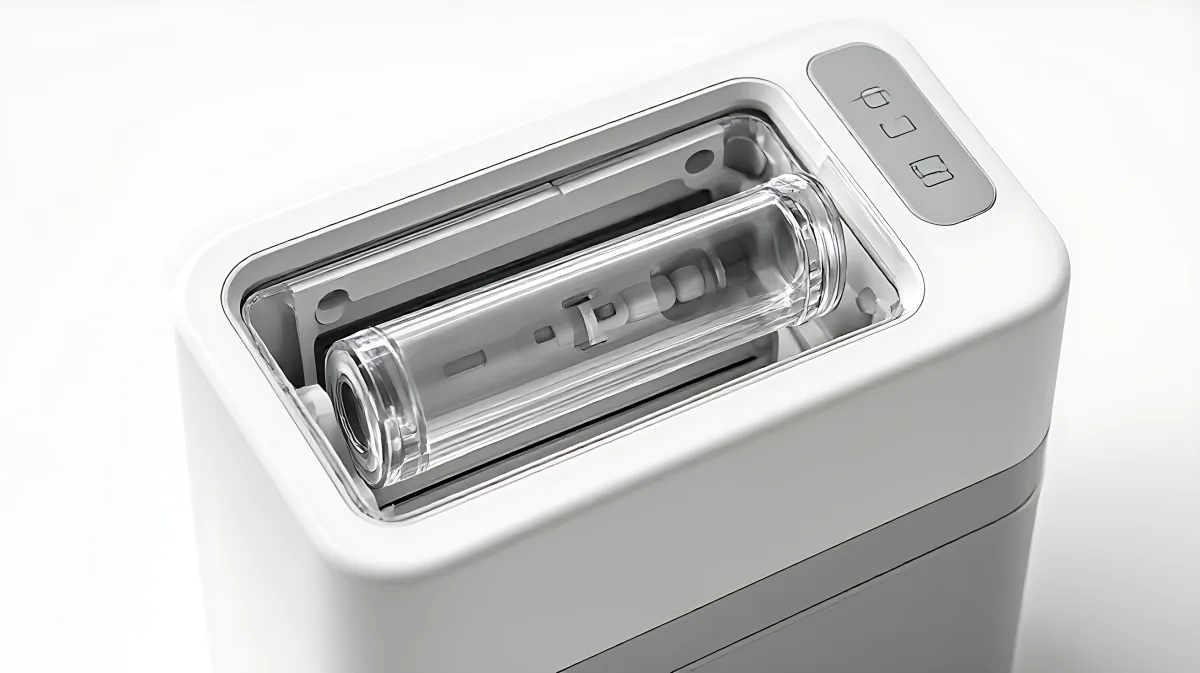
Automated pill dispensers often fail due to physical storage gaps. This guide helps homebound seniors audit three common flaws that lead to dose duplication and outlines when to contact a pharmacy for a fix.
Homebound seniors using automated pill dispensers must audit three specific physical flaws: loose cartridge locks, missing dose confirmation seals, and expired medication residue in the feed track. These gaps cause dose duplication. If you find any of these issues, contact your pharmacy immediately to adjust the system settings or hardware before the next scheduled delivery.
Why Automated Dispensers Fail at Home
Many families assume that automated dispensers are fail-safe machines that simply push pills into a tray. In fact, these devices rely on precise mechanical alignment and user verification that often breaks down in a home setting. When a cartridge lock loosens, the sensor may miss the pill count, leading to a duplicate dose in the next cycle. This risk is not theoretical. Research from the University of East Anglia found that switching to organizers without proper clinical oversight led to five adverse events in a small trial group, including falls and hypoglycemia, because patients were suddenly taking their full, previously missed regimens according to the study.
The danger is specific to the transition phase. A senior who was skipping doses due to confusion or memory loss may feel better on their own schedule. Once a dispenser forces the full dose, the body reacts to the sudden full load of medication. This makes the physical integrity of the dispenser critical. If the machine is not mechanically sound, it does not just forget a dose; it may deliver two.
The Three Physical Flaws to Check Today
1. Is the Cartridge Lock Engaged?
The cartridge lock is the primary sensor that tells the machine a full load of pills is present. If the lock spring is worn or the plastic latch is cracked, the machine assumes the cartridge is empty. It will then try to feed pills from the reserve, often grabbing two instead of one to ensure the target dose is met. You should hear a firm click when the cartridge snaps into place. If you hear a rattle or see daylight through the slot, the lock is faulty.
2. Does the Dose Confirmation Seal Match the Count?
Automated systems use a seal or optical scan to verify the dose before dispensing into the tray. Many home units use a simple gravity feed that lacks this verification. Check your specific model's manual. If your unit does not have a dose confirmation seal, it is operating on "blind" dispensing. This is a major risk factor for duplication. You must manually count the pills in the tray after each cycle. If you find 14 pills instead of the prescribed 12, the seal is not detecting the overflow correctly.
3. Is There Residue in the Feed Track?
Broken pill fragments from brittle medications clog the feed track. When the track is partially blocked, the machine's motor pushes harder to clear the jam. This extra force can trigger the dispense cycle twice in quick succession. Pull out the feed track if your model allows it. Look for white or colored powder. Clean it with a dry swab only. Never use liquids inside the machine, as this causes pills to swell and jam the mechanism permanently.
Audit Checklist for Your Home Unit
- Inspect the cartridge lock for cracks or loose springs.
- Verify the dose confirmation seal is not obscured by pill dust.
- Clear the feed track of all pill fragments.
- Perform a dummy cycle with placebo pills to check for double-dispensing.
- Record the date of the audit on your medication binder.
When to Call Your Pharmacy
Use the table below to decide if a hardware fix or a pharmacy system change is needed. Most dose duplication errors are hardware issues. However, if your medication list has changed, the pharmacy must update the digital profile. If you see a mismatch between the pills in the tray and the prescription, do not wait. Call the pharmacy line for a profile review.
| Issue Found | Action Required | Who to Contact |
|---|---|---|
| Loose Cartridge Lock | Replace lock mechanism or request service | Device Manufacturer |
| Blind Dispensing (No Seal) | Upgrade to a verified dose system | Pharmacy/Provider |
| Pill Residue Jams | Clean track and monitor next 3 cycles | Self/Caregiver |
| Duplicate Dose in Tray | Stop usage and audit all previous doses | Pharmacy/Physician |
Before the audit, your routine is passive. You press a button and hope the machine works. After the audit, your routine is active. You verify the hardware and the dose. This shift from passive reliance to active verification is what prevents the serious adverse events documented in clinical trials.
This article is for general information only and is not a substitute for professional medical advice, diagnosis, or treatment. Always consult a qualified clinician about your situation.
Frequently Asked Questions
Can a pill dispenser actually give me too much medication?
Yes. If the dose confirmation seal is faulty or the feed track is jammed with fragments, the motor may trigger a double-dispense cycle. This is known as dose duplication and is a primary cause of adverse events in home settings.
How often should I check the physical components?
Inspect the cartridge lock and feed track every month. Perform a full dummy cycle test with placebo pills every three months to ensure the machine is not double-dosing.
What should I do if I find two pills in the tray instead of one?
Stop using the dispenser immediately. Count the pills. If there is a duplication, do not take the dose. Call your pharmacy to check your digital profile and contact the device manufacturer for a hardware inspection.
Is it safe to clean the feed track with alcohol?
No. Alcohol can swell paper-coated pills or dissolve the adhesive in some seal types, causing permanent jams. Use only a dry, lint-free swab to remove residue.