Best Digital Pill Reminder Systems for Seniors
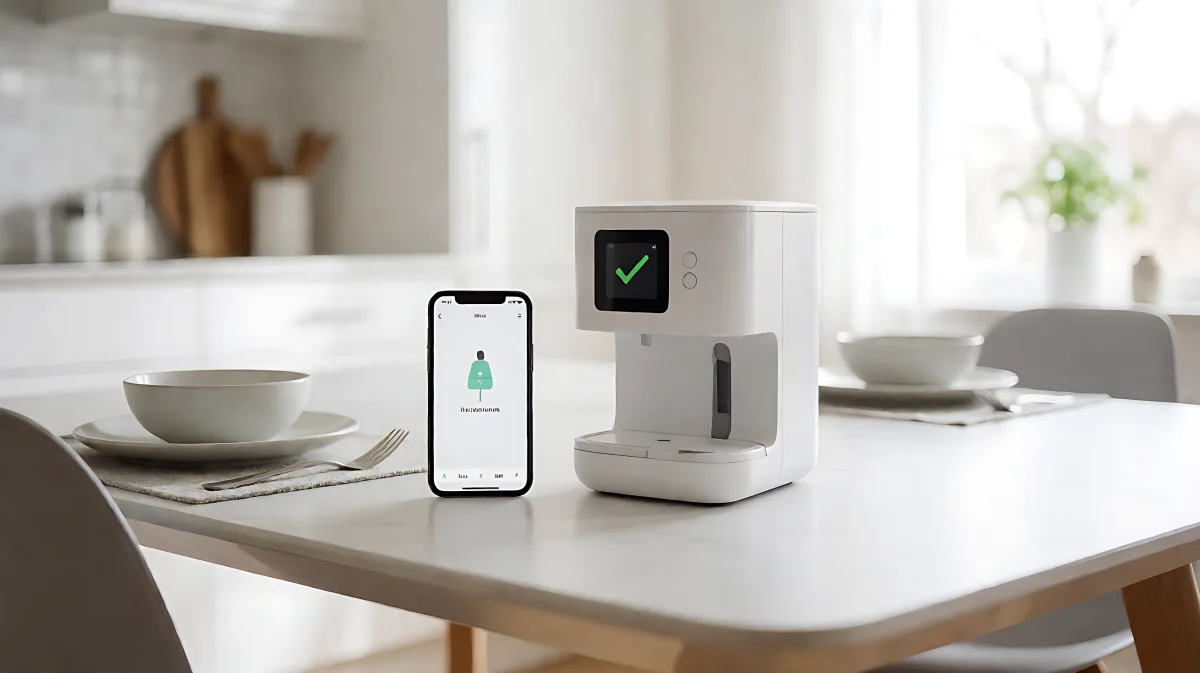
Navigating complex medication regimens can be overwhelming. This guide helps you audit your current system and choose the best digital pill reminder tool, from free apps to automated dispensers, ensuring safety and peace of mind for seniors.
A digital pill reminder audit involves assessing a senior’s medication complexity and daily routine to select a compatible reminder tool, such as an automated dispenser or smartphone app. The goal is to eliminate missed doses by matching the technology’s features to the user’s specific cognitive and physical needs.
Why Is a Medication Reminder Audit Necessary in 2026?
As of 2026, the landscape of medication adherence has shifted significantly toward automated and connected devices. While traditional pill organizers are still common, they require manual sorting, which can be a barrier for seniors with arthritis or visual impairments. A systematic audit helps identify whether the current method is failing due to simple forgetfulness or more complex cognitive declines.
MedSignals, a provider of medication management systems, notes that improper medication management results in prolonged suffering and significant financial costs for healthcare systems. Their systems focus on monitoring when each drug is taken and communicating this data to care managers. This shift from passive storage to active monitoring is a key trend in senior care technology.
How Do Smart Dispensers Differ From Basic Apps?
The primary difference lies in the level of automation and caregiver involvement. Basic applications rely on the user to physically take the medication after receiving an alert. In contrast, automated dispensers handle the physical sorting and delivery of the dose.
According to SeniorSafetyReviews, automated medication dispensing machines have increased medication compliance up to a 98% adherence level. This statistic is crucial for families managing complex regimens, as it suggests that removing the manual step drastically reduces errors. Devices like the Hero Health dispenser can manage a 90-day supply for up to 10 medications, automatically sorting and releasing the correct dose at scheduled times.
Is a Smartphone App Enough for Simple Regimens?
For individuals who are tech-savvy and have only one or two daily medications, a smartphone application is often sufficient. The MediSafe app, which has over 11 million registered users, allows for the entry of unlimited medications and provides visual cues of which pill to take. It also offers machine learning features that study missed doses and can prompt users to contact a nurse hotline.
However, these apps do not physically prevent a dose from being missed. They serve as prompts. If the user does not engage with the phone, the medication is not taken. Therefore, the audit must determine if the user’s level of independence aligns with the capability required by the app.
What Are the Key Factors in Choosing a Reminder System?
When auditing your options, you must look beyond the price tag. The West Michigan Senior Care guide emphasizes that the right system is not always the most expensive one; it is the one that fits the person. You need to assess the root cause of missed doses.
- Cognitive Function: Does the user have early-stage dementia or Alzheimer’s? A simple alarm may not be enough; a system that provides visual and auditory confirmation, or a dispenser that makes the pill visible only when it is time to take it, is safer.
- Physical Dexterity: Can the user open pill bottles? If not, automated dispensers that have large, easy-to-open trays or push-button dispensing mechanisms are preferred over standard organizers.
- Connectivity: Most smart devices require Wi-Fi. If the senior lives in an area with unstable internet, a battery-powered electronic organizer with local alarms may be more reliable than a cloud-based system.
How Should You Structure a Quarterly Review?
Medication needs change. Prescriptions are adjusted, and health conditions evolve. A static reminder system can become a liability if it is not updated. Implementing a quarterly review ensures the system remains effective.
- Step 1: Log Missed Doses: For the past three months, track how many doses were missed or doubled. Use app data or caregiver logs.
- Step 2: Analyze the Cause: Determine if the miss was due to forgetting the time, not seeing the pill, or being unable to open the container.
- Step 3: Test New Settings: If using an automated dispenser, adjust the alert volume or frequency. If using an app, add visual images of the specific medication.
- Step 4: Consult Care Providers: Share adherence reports with the prescribing physician to see if the medication schedule itself needs simplification.
Common Mistakes and Misconceptions
Many families assume that buying the most advanced machine guarantees safety, but in fact, a mismatched tool can increase anxiety and confusion. For example, forcing a senior who struggles with technology to manage a complex smart dispenser may lead to them ignoring alerts altogether. Simplicity often wins. A voice-activated assistant like Amazon Alexa can be a useful intermediate step, providing spoken reminders without the need to look at a screen.
Another misconception is that these devices are fully autonomous. They are not. They require a human in the loop for refills, battery changes, and troubleshooting. The goal is to extend independence, not to remove the human caregiver entirely.
What Role Do Caregivers Play in Digital Monitoring?
Remote monitoring is a major benefit of 2026-era pill reminder systems. Platforms like MedSignals communicate use automatically to a secure file online, allowing authorized care managers to receive alerts via email or text. This is particularly vital for family members who live miles away from the senior. It provides peace of mind without requiring the caregiver to be physically present.
However, privacy is a concern. All data flows must be secure. When choosing a device, check the privacy policy to ensure that health data is not being sold to third parties. The device should offer clear opt-in/opt-out options for data sharing with specific care teams.
Frequently Asked Questions
How often should I re-evaluate my pill reminder system?
It is recommended to conduct a formal audit every six months or immediately after any change in prescription or diagnosis. Additionally, a simple check-in should occur monthly to ensure the device is functioning correctly and the user is engaging with it.
Are automated dispensers covered by insurance?
Some automated dispensers, such as the Hero Health system, may be covered by certain Medicare providers. You should check with your insurance carrier’s medical equipment list to see if a referral from a doctor is required for reimbursement.
What if the senior loses their internet connection?
Most smart systems will have a local backup alarm that sounds at the scheduled time even without Wi-Fi. However, the data synchronization to the caregiver's phone will not happen until the connection is restored. For critical medications, a local electronic backup timer is advisable.