Senior Insulin Storage Guide for Type 2 Diabetics
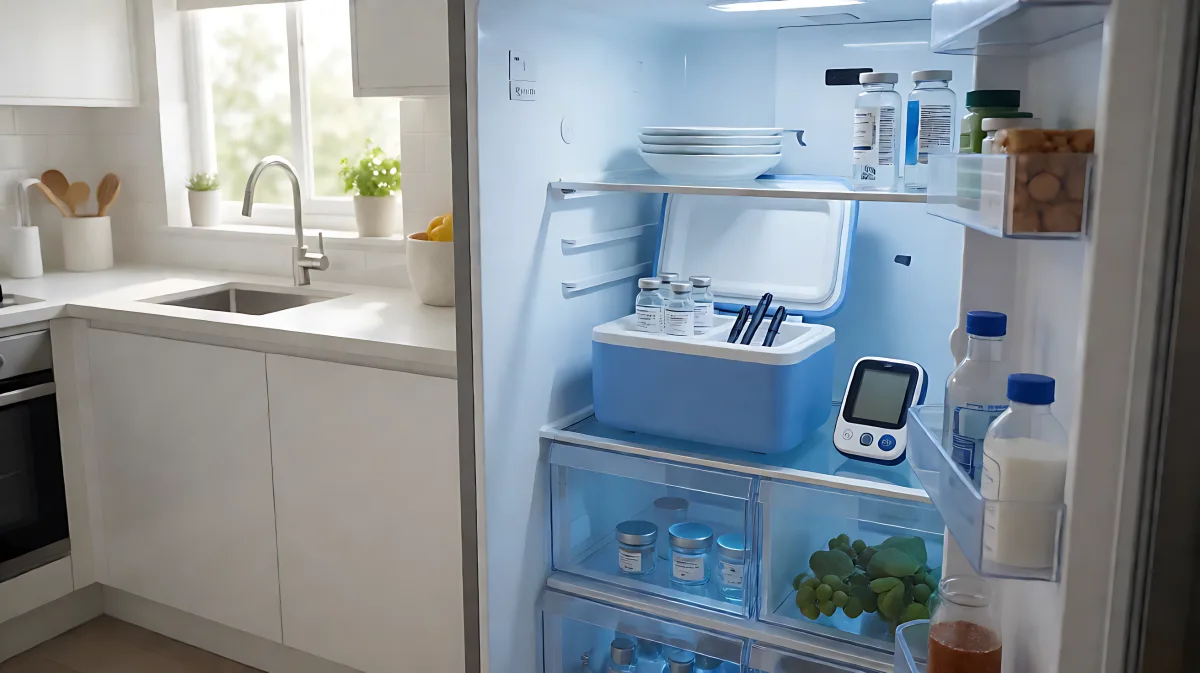
Proper insulin storage is critical for seniors with type 2 diabetes to maintain efficacy and prevent hypoglycemia. This guide covers home storage best practices, travel safety, and dosing adjustments for older adults.
Seniors with type 2 diabetes should store unopened insulin in the refrigerator between 2°C and 8°C (36°F to 46°F) and keep in-use insulin at room temperature for up to 28 days to preserve potency. Many adults assume that any cold spot works, but direct contact with the back wall of a fridge can freeze the insulin, rendering it ineffective and potentially causing injection pain.
Why Insulin Storage Matters More for Older Adults
The management of type 2 diabetes in individuals over 65 is distinct from that in younger populations. According to the Centers for Disease Control and Prevention, nearly 30% of people aged 65 and older have diabetes, making them a significant portion of the patient demographic. This group is at a heightened risk for complications such as hypoglycemia and kidney disease. The American Diabetes Association notes that the clinical burden of diabetes in long-term care settings is substantial, with estimated nursing home expenditures attributable to diabetes reaching $18.6 billion nationally. For seniors managing insulin at home, strict adherence to storage protocols is a primary safety measure to prevent medication degradation and associated metabolic risks.
What are the specific temperature requirements for insulin?
Insulin is a biologic protein that is sensitive to both heat and cold. Unopened pens and vials must remain refrigerated. Once a vial or pen is opened and in active use, it should be kept at room temperature, ideally below 25°C (77°F), for a maximum period of 28 days. After this timeframe, the medication should be discarded even if product remains in the container. Storing in-use insulin in the refrigerator is not only unnecessary but can also make the liquid colder, leading to increased pain at the injection site for older adults who may already experience needle sensitivity.
Common Mistakes Families and Caregivers Make
Many families assume that placing insulin on top of the refrigerator or in a medicine cabinet is sufficient, but in fact, these locations often exceed safe temperature limits during warmer months. The top of a fridge can reach temperatures above 30°C (86°F), which degrades insulin potency. Similarly, leaving an open vial in the fridge is a widespread misconception. The cold environment does not improve efficacy for the current supply; it only increases user discomfort. Furthermore, seniors frequently miss the 28-day window because they do not mark the date of first use on the container, leading to the accidental use of expired medication.
How should insulin be handled during travel or power outages?
Traveling requires an insulated cooler pack with a thermal indicator, never a standard ice pack, which can freeze the medication. For power outages, seniors should keep in-use insulin in a small, insulated bag within the home, away from heat sources. If the power outage exceeds four hours, the safety of unopened stock in the fridge should be verified, but in-use insulin at room temperature is generally safe for the remaining 28-day cycle.
Integrating Storage with Blood Sugar Monitoring
Proper storage is only one part of effective management. The American Diabetes Association’s Standards of Care recommend a personalized approach for older adults, often involving "deintensification" or simplifying medication regimens to reduce the risk of hypoglycemia. This means that if a senior is finding it difficult to manage multiple injection times, a healthcare provider might adjust the dosing schedule rather than strictly enforcing complex protocols. Technology, such as continuous glucose monitors, can also help identify if erratic blood sugar levels are linked to medication inconsistency or storage errors.
What is the role of cognitive health in insulin management?
Cognitive impairment, which is more prevalent in older adults with diabetes, can interfere with the ability to remember storage rules or administer doses accurately. As noted in geriatric research, the lack of awareness of hypoglycemia in this demographic can lead to dangerous fluctuations. If a senior is experiencing confusion or memory lapses related to their routine, it is a signal to seek professional review of the care plan.
Checklist for Safe Insulin Storage and Management
- Store unopened insulin in the refrigerator, away from the back wall to prevent freezing.
- Keep in-use insulin at room temperature, away from direct sunlight and heat.
- Write the date of first use on the label of the vial or pen to track the 28-day limit.
- Use an insulated cooler for travel; never place insulin directly on ice.
- Discard insulin that appears cloudy, clumpy, or discolored immediately.
- Consult a pharmacist or provider if the medication has been exposed to extreme temperatures.
How often should seniors review their medication and storage habits?
It is advisable to review storage and management practices at every routine appointment, which typically occurs every three to six months for diabetes patients. During these visits, providers can check for signs of medication degradation and discuss any difficulties the senior is having with their routine. Regular communication ensures that if a change in living situation or health status occurs, the storage method and medication schedule can be adjusted to maintain safety and quality of life.
Frequently Asked Questions
Can I store insulin in the freezer?
No. Freezing destroys the protein structure of insulin, making it completely ineffective and unsafe for use. Never expose insulin to temperatures below 2°C (36°F).
How long does insulin last once opened?
In-use insulin should be discarded after 28 days, even if it appears intact. Keeping it in the fridge after opening does not extend this timeline and may cause injection discomfort.
What should I do if I am unsure if my insulin has spoiled?
Discard the medication and contact your pharmacy or physician. Do not attempt to test the potency at home. Insulin should be clear and colorless or have a slight off-white tint; anything else is a sign of degradation.
Is it safe to keep insulin in the car during summer?
No. The interior of a car can reach temperatures far above the 25°C (77°F) limit for in-use insulin. Always transport insulin in an insulated cooler bag.