Silent Reflux Medication Side Effects and Safer Alternatives
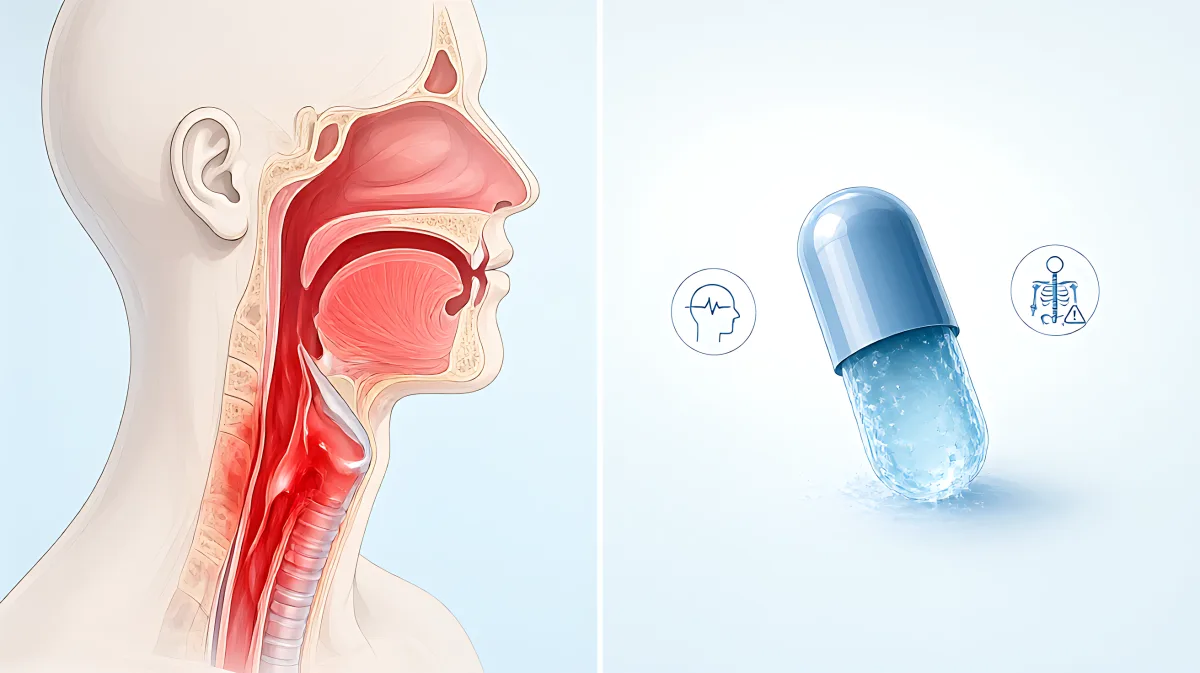
Many patients prescribed proton pump inhibitors for silent reflux experience little relief. This guide details the known side effects of these drugs and explains why alternative therapies like alginate rafts are increasingly recommended for laryngopharyngeal reflux.
Silent reflux medication side effects often involve gastrointestinal distress, fatigue, and long-term risks like bone loss. Proton pump inhibitors, the most common prescription for laryngopharyngeal reflux, are increasingly shown to be ineffective for this specific condition. For many patients, the side effects of acid-suppressing drugs outweigh the benefits because the primary culprit in silent reflux is pepsin, not just acid.
Why Do Doctors Prescribe PPIs for Silent Reflux?
Standard clinical practice has long relied on proton pump inhibitors (PPIs) like omeprazole or lansoprazole to treat all forms of reflux. However, healthcare providers estimate that more than half of people complaining of chronic hoarseness have laryngopharyngeal reflux, a condition that differs significantly from standard gastroesophageal reflux disease. While PPIs reduce stomach acid production, recent medical consensus notes that pepsin, a digestive enzyme, is the primary driver of throat damage in silent reflux. This enzyme remains active even when acid levels are low, meaning that suppressing acid alone does not neutralize the pepsin causing tissue erosion in the larynx.
Are PPIs Actually Effective for LPR?
Many families assume that if a medication works for heartburn, it will work for silent reflux, but in fact, clinical trials indicate that PPIs offer no significant benefit over placebo for persistent throat symptoms associated with LPR. A major randomised controlled trial published in the BMJ found that lansoprazole did not improve throat symptoms in 346 patients compared to a placebo group. Consequently, many patients endure the side effects of these medications without resolving their underlying vocal or throat issues.
What Are the Common Side Effects of Reflux Medications?
Although PPIs are generally well-tolerated in the short term, long-term use is associated with specific risks. The most documented concerns involve nutrient absorption and bone health. The medications can interfere with the body’s ability to absorb calcium, magnesium, and vitamin B12, which are essential for nerve health and bone density. The FDA has warned that long-term use may increase the risk of osteoporosis and fractures, particularly in older adults. Additionally, some patients report gastrointestinal disruptions such as nausea, bloating, and changes in bowel habits, ranging from diarrhea to constipation.
- Bone Density Loss: Reduced calcium absorption can weaken bones over time, increasing fracture risk.
- Nutritional Deficiencies: Low levels of magnesium and vitamin B12 may lead to fatigue and nerve damage.
- Gastrointestinal Distress: Nausea, bloating, and abdominal pain are frequent complaints during initial treatment.
- Rebound Hyperacidity: Stopping PPIs abruptly can cause the stomach to overproduce acid, leading to severe reflux symptoms that last for weeks.
How Do Side Effects Differ Between Acid and Non-Acid Reflux?
Not all silent reflux is acidic. Some cases are caused by bile or pepsin without significant acid. For these patients, acid-suppressing drugs are not only ineffective but expose them to unnecessary side effects. The mismatch between the treatment and the underlying cause explains why many patients report that their symptoms worsened or remained unchanged despite strict adherence to their medication regimen.
What Are Safer Alternatives to PPIs for Silent Reflux?
Given the limited efficacy of PPIs for LPR, many specialists now recommend alternative approaches that target pepsin directly. Alginate-based medications, such as sodium alginate foams, create a physical barrier on top of the stomach contents. This raft prevents reflux from reaching the throat and can help deactivate pepsin. Clinical studies in laryngology have shown that these mucosal protectors can improve laryngeal findings and symptom scores more effectively than acid suppression alone.
Can Lifestyle Changes Replace Medication?
For many individuals, dietary and lifestyle modifications are the most powerful long-term treatment. The primary goal is to prevent pepsin reactivation. Since pepsin becomes active in acidic environments, maintaining a diet with a pH above 5 can stop the cycle of throat irritation. This does not necessarily require a strict medical diet, but rather awareness of trigger foods that re activate dormant enzymes in the throat.
- Meal Timing: Finish eating at least three hours before bedtime to allow gravity to keep contents in the stomach.
- Head Elevation: Prop the head of the bed higher to reduce nighttime reflux exposure.
- Trigger Avoidance: Identify and limit foods that are highly acidic or reactive, such as citrus and tomatoes, if they worsen symptoms.
- Alkaline Water: Drinking water with a pH of 8 or higher may help deactivate pepsin in the throat.
How Should Patients Manage PPI Tapering?
If a doctor recommends stopping PPIs due to lack of efficacy or side effects, it is crucial to taper the dose slowly. Stopping abruptly triggers rebound hyperacidity, where the stomach compensates by producing excess acid. This can result in a temporary worsening of reflux symptoms that mimics the original condition but is actually a withdrawal effect. A gradual reduction over four to six weeks allows the stomach to adjust its acid production levels safely.
FAQs
Do PPIs cause more harm than good for silent reflux?
For patients with confirmed laryngopharyngeal reflux who show no response to PPIs, continuing the medication may expose them to unnecessary risks like bone loss and magnesium deficiency without therapeutic benefit. It is advisable to consult a specialist, such as an otolaryngologist, to switch to targeted therapies like alginates or dietary management.
Can I take PPIs and alginate medications together?
Yes, some protocols combine these treatments. However, evidence suggests that alginate alone may be sufficient for many patients. Using both allows for a safety net, as the alginate provides a physical barrier while the PPI manages any concurrent standard acid reflux. Always follow the specific dosage instructions provided by your healthcare provider to avoid overlapping side effects.
How long does it take for throat symptoms to heal after stopping PPIs?
Healing varies by individual, but laryngeal inflammation can persist for weeks or months even after successful treatment changes. Pepsin damage to the vocal cords is often slow to resolve. Consistency with new lifestyle habits and alternative medications is key to observing gradual improvement in voice clarity and throat comfort.
Are there specific foods that neutralize pepsin?
Alkaline foods and beverages with a high pH are the most effective at deactivating pepsin. While water with a pH of 8 is a common recommendation, simply eating very alkaline foods does not guarantee immediate neutralization in the throat. The focus should be on preventing reactivation by avoiding acidic triggers and allowing the laryngeal tissue time to repair.