How to Prevent Medication Errors After Hospital Discharge
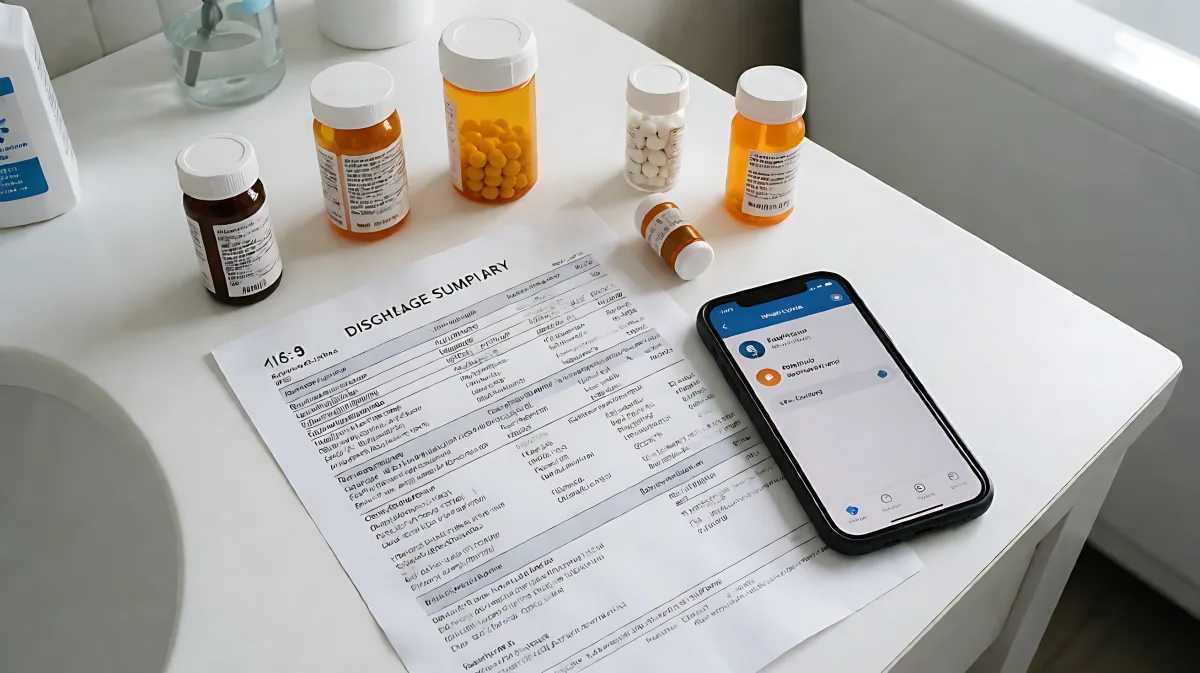
Nearly half of older adults make a medication error within 90 days of leaving the hospital. Here is how to bridge the gap between discharge instructions and daily routine using a practical safety checklist.
Medication errors are a leading cause of preventable emergency department visits for older adults. In a recent prospective cohort study published in the Journal of General Internal Medicine, researchers found that 50% of participants aged 65 and older made at least one medication error within 90 days of hospital discharge. These errors often stem from a lack of clear communication about new or adjusted prescriptions during the critical transition from hospital care to home life. To mitigate this risk, families and patients should actively verify their medication list, ask specific questions about dosage changes, and schedule immediate follow-up appointments.
Why Discharge Is a High-Risk Moment for Medication Changes
Hospital discharge is a chaotic transition point where care providers change from inpatient teams to primary care physicians. During this time, medications for chronic conditions like high blood pressure or diabetes are frequently adjusted. While most changes are intentional, unintended discrepancies occur often. The Agency for Healthcare Research and Quality (AHRQ) notes that clinicians may not have access to a patient’s complete medication history, leading to omissions, duplications, or incorrect dosages in the final discharge plan.
Research indicates that these discrepancies are not just administrative issues; they have clinical consequences. In one analysis, nearly 30% of unintentional discrepancies had the potential to cause patient discomfort or clinical deterioration. For older adults, the stakes are higher due to polypharmacy, where the complexity of managing multiple drugs increases the risk of adverse interactions. A study focused on older adults found that one-third of all medication changes made at discharge were modified again within 90 days, suggesting that the initial discharge plan was often unstable or incorrect.
Is Understanding Your Medications Enough to Prevent Errors?
Many families assume that if a patient understands the purpose of their medications, they will take them correctly. However, data suggests that understanding alone is insufficient to ensure safe use during the transition home. In the 2026 cohort study, nearly all participants reported they understood why they were taking their new medicines, yet 39% made at least one error by the 7-day mark post-discharge. The errors ranged from not starting a new medication to continuing a drug that was meant to be stopped. This gap between knowledge and action highlights the need for structured verification rather than passive reliance on patient memory.
What Are the Most Common Mistakes After Leaving the Hospital?
The most frequent type of discharge discrepancy is an incomplete prescription that requires clarification. This can result in delays in obtaining medications, as the patient may not know the exact generic name, dose, or frequency. Omission of previously taken medications is also a critical error, where a doctor stops a chronic drug during hospitalization but fails to restart it at discharge.
Another significant issue is dosage instability. Older adults prescribed five or more cardiometabolic medications experienced significantly higher rates of errors. The study authors emphasize that reliance on a single follow-up appointment to monitor these changes is problematic, especially when systemic barriers prevent timely care. One-quarter of patients advised to see a specialist did not receive follow-up within the recommended timeframe. Without proactive steps, these gaps can lead to readmission.
How Can Families Use a Checklist to Verify Discharge Instructions?
Implementing a structured verification process can significantly reduce the risk of harm. The American Heart Association and other bodies recommend engaging patients in active reconciliation. Below is a practical checklist that caregivers and patients can use immediately upon returning home.
- Bring a Current List: Before entering the hospital, maintain a up-to-date list of all medications, including over-the-counter drugs and supplements. Bring physical pill bottles if possible.
- Request a Reconciliation Review: At discharge, ask the medical team to compare the list of medications you brought with the discharge prescriptions. Explicitly ask: "Are any of my old medications being stopped? If so, why?"
- Clarify Ambiguous Orders: If a prescription is vague (e.g., "take as needed"), ask for specific limits: "How many times a day can I take this, and what symptoms should trigger taking it?"
- Schedule Follow-Up Immediately: Do not wait for the doctor to call. Call your primary care physician within 24 to 48 hours of discharge to review the new medication list before the first dose is taken if the change is significant.
- Set Up Home Monitoring: For new cardiovascular or diabetes medications, set up home blood pressure or glucose monitoring as recommended by your care team. Bring these logs to your next appointment.
Can Technology Help Reduce Discrepancies?
Electronic medication reconciliation tools are being studied to improve safety. One study measured the impact of an electronic tool for intravenous antibiotics and found that the prevalence of medication errors decreased from 30% before the tool was implemented to 15% afterward. While these tools are promising, the AHRQ notes that electronic health records often lack the specific functionality to accurately reconcile medications across different care settings. Therefore, technology should support, not replace, human verification. Patients using wearable health technology or medication reminder apps should ensure these devices are synced with their current discharge instructions to avoid double-dosing or missed doses.
FAQ
What is the most common medication error at hospital discharge?
The most common error is an incomplete or ambiguous prescription that requires clarification from the prescriber. This often leads to patients delaying their pharmacy fill or taking the medication at an incorrect dose because the instructions were not specific enough.
How soon should I contact my primary care doctor after being discharged?
It is recommended to contact your primary care physician within 48 hours of discharge to review any medication changes. For complex changes, such as starting a new anticoagulant or diabetes medication, immediate contact may be necessary to ensure the home regimen aligns with the hospital plan.
Do wearable devices help with medication adherence after discharge?
Wearable devices can help by providing reminders for medication intake and tracking vital signs like blood pressure or heart rate. This data can be shared with your doctor at follow-up appointments to verify if the medication dosage is effective and safe, helping to prevent the need for mid-stream adjustments that cause confusion.
What should I do if I made a medication error at home?
If you realize you missed a dose, took too many, or took the wrong medication, contact your pharmacist or primary care provider immediately. Do not wait to see if symptoms develop. Provide them with the exact time of the error and the medication name to receive guidance on whether you need emergency care or just a dose adjustment.