Soil Testing and pH Balance Guide for Vegetable Gardens
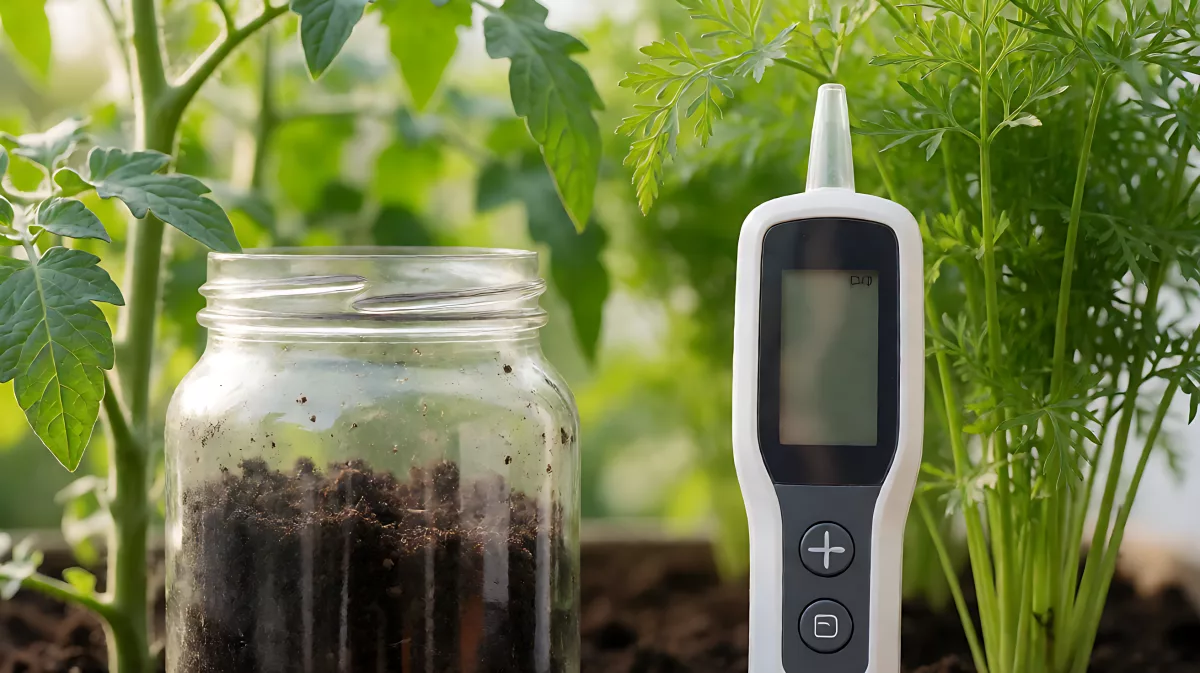
Achieving the ideal pH balance is crucial for vegetable health. This guide explains how to test your soil, interpret results, and use amendments like lime and compost to boost yields.
To grow healthy vegetables, gardeners must maintain a soil pH between 5.8 and 6.3, which allows nutrients to be most available to plants. This range is slightly acidic and supports optimal growth for most common crops like tomatoes and beans. Regular soil testing is the only reliable way to determine your current pH level and necessary amendments, such as lime or sulfur, before the planting season begins.
Why does soil pH matter for vegetable plants?
Soil pH dictates how easily roots can access essential nutrients like nitrogen, phosphorus, and potassium. When the pH is too low, the soil becomes acidic, locking up certain minerals and potentially increasing the toxicity of elements like aluminum. When the pH is too high, the soil is alkaline, which can make iron and manganese unavailable to the plant, leading to yellowing leaves and stunted growth. The University of Florida's Institute of Food and Agricultural Sciences notes that a pH of 7.0 is neutral, but for vegetables, the slightly acidic range is often superior. If you notice your crops are struggling despite good watering and sunlight, checking the pH is the first diagnostic step.
How do you test your soil at home or through a lab?
You can buy inexpensive at-home kits that use color-changing drops, but these offer only a rough estimate. For precise data, sending samples to a certified laboratory is recommended. In the United Kingdom, organizations like the Royal Horticultural Society provide soil testing services, while in the US, your local extension office often partners with county labs. When sampling, dig about 6 inches into the ground, removing grass or weeds, and mix soil from multiple spots in the same bed to create a composite sample. Avoid sampling near fences, compost piles, or areas where fertilizers have been recently applied. The lab will measure pH, organic matter, and macro-nutrient levels, providing specific recommendations for amendments.
What is the role of lime in adjusting soil pH?
Lime is a calcium-rich material used to raise the pH of acidic soils. It neutralizes acidity and supplies calcium, which is vital for strong cell walls. According to guidelines from agricultural extension services, if your soil pH is below 5.5, adding 2 to 3 pounds of dolomitic lime per 100 square feet can significantly improve conditions. Dolomite is often preferred over regular agricultural lime because it also adds magnesium, another essential nutrient. However, lime works slowly, so it should be incorporated into the soil at least two to three months before planting to take full effect. Do not apply lime if your soil test shows a pH above 6.5, as this can lead to nutrient imbalances.
How can compost improve soil structure and fertility?
Compost is a finished organic material derived from decomposed plant matter, food scraps, and manure. It serves as both a fertilizer and a soil conditioner. By adding compost, you increase the soil's ability to hold moisture and air, which encourages root development. Compost also feeds the beneficial microbes, fungi, and earthworms that break down nutrients into forms plants can use. For best results, mix a layer of finished compost into the top 6 inches of soil before tilling. This practice reduces the need for synthetic fertilizers and helps suppress soil-borne diseases. In 2026, many municipalities in the US and UK offer free curbside compost collection programs, making it easier for homeowners to source high-quality material without building their own piles.
What other amendments adjust pH for alkaline soils?
If your soil test reveals a high pH, making it alkaline, you need to lower it to benefit most vegetables. Sulfur and peat moss are effective agents for this purpose. Applying 1 to 2 pounds of sulfur per 100 square feet can gradually reduce alkalinity. Peat moss, while effective, can dry out quickly, so it is best used in moist climates. For those who prefer organic methods, pine needles and coffee grounds are slightly acidic and can be worked into the soil over time. It is crucial to avoid over-amending, as swinging the pH too far can harm plant growth. Always retest after six months to monitor the changes.
| Amendment | Effect on pH | Application Rate |
|---|---|---|
| Dolomitic Lime | Raises pH | 2-3 lbs per 100 sq ft |
| Sulfur | Lowers pH | 1-2 lbs per 100 sq ft |
| Compost | Neutral/Buffers | 2-4 inches deep |
| Peat Moss | Lowers pH | 10-15 lbs per 100 sq ft |
FAQ
How often should I test my soil?
It is best to test your soil every two to three years for established gardens. For new beds or if you have recently changed your amendment routine, test annually. This ensures you catch any drift in pH or nutrient levels before they affect your crop yield.
Can I use coffee grounds to lower pH?
Yes, but in very small quantities. Coffee grounds are slightly acidic, but they do not lower pH drastically unless used in bulk. They are better used as a mulch or compost additive rather than a direct soil pH corrector for large vegetable beds.
Is it safe to use treated lumber for raised beds?
There have been no conclusive studies showing harm from treated lumber leaching into soil, but many organic gardeners prefer untreated hardwoods, cedar, or composite materials to maintain purity and avoid any potential chemical interactions with the soil.
What is the ideal organic matter percentage?
Aim for 3 to 5 percent organic matter in your soil. This level provides excellent water retention and nutrient availability. Adding a thin layer of compost annually is the most effective way to maintain this target.