Smartwatch Fall Detection: Why False Positives Happen
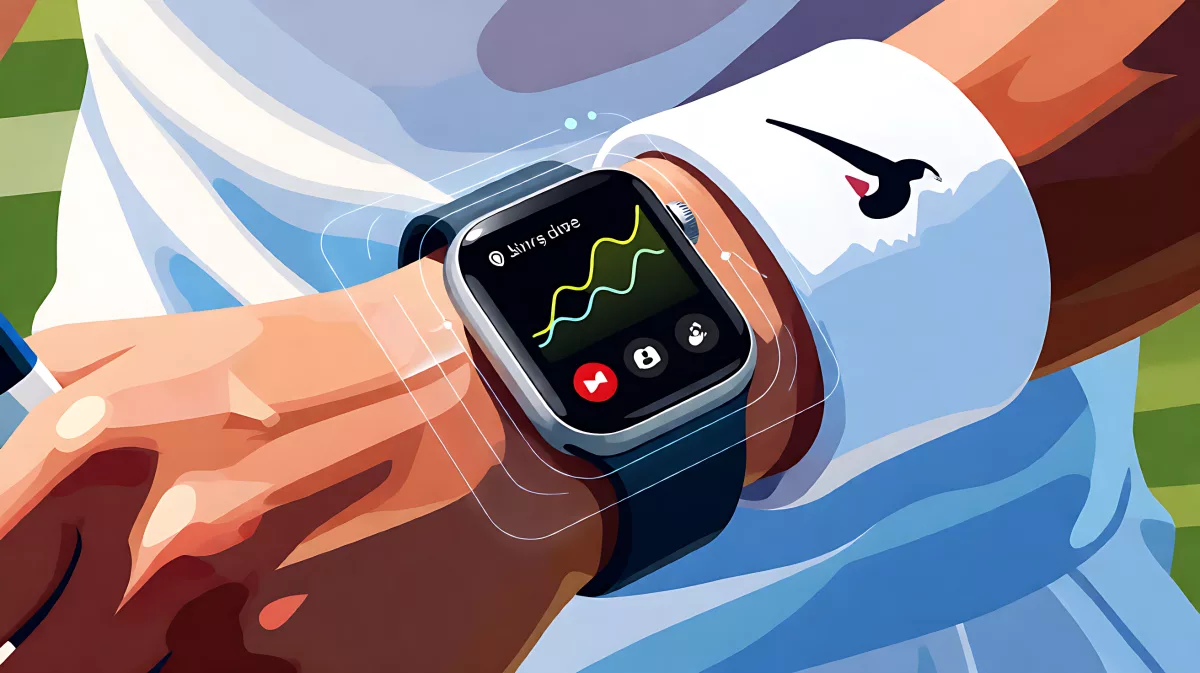
Smartwatch fall detection often triggers false alarms due to arm-based sensor limitations. Learn how to manage these alerts, choose the right device for reliable safety, and understand the technology behind wearable fall sensors.
Smartwatch fall detection features often trigger false alarms because sensors located on the wrist struggle to distinguish between vigorous arm movements and a genuine body fall. In 2026, major manufacturers use advanced algorithms to reduce these errors, but users should verify settings and understand that wrist-based detection is inherently less accurate than chest-mounted pendants.
Why Do Smartwatches Generate False Fall Alarms?
The primary challenge for wearable fall detection is the position of the sensor. A smartwatch sits at the end of the body's most freely moving limb, the wrist. When you clap, chop vegetables, play tennis, or shake a blanket, the resulting rapid acceleration and change in orientation can mimic the physics of a fall. Devices such as the Apple Watch and Samsung Galaxy Watch use combinations of accelerometers and gyroscopes to analyze these events. While the technology has improved significantly since the initial release of fall detection features, it is not infallible. The watch must calculate the total force of impact and the subsequent lack of movement to confirm a fall, but sudden jolts during exercise or domestic tasks can still bypass this logic.
How Do Manufacturers Reduce the Risk of False Positives?
Modern smartwatches employ adaptive learning algorithms that analyze a user's daily patterns. If a specific movement occurs frequently without injury, the system may flag it as routine over time. However, for the sake of safety, manufacturers often prioritize sensitivity over specificity. This means the system is designed to err on the side of caution, triggering an alert on a near-miss event to ensure a true fall is not missed. Companies like LifeQ and Lifeline integrate these sensors with broader health monitoring suites, allowing the system to cross-reference heart rate and biometric data. If a fall is detected but the wearer remains active and their vital signs are stable, some advanced systems can suppress the alert or require manual confirmation.
Which Wearables Offer the Most Reliable Fall Detection?
In the current market, several devices stand out for their integrated safety features. The Apple Watch Series 10 and later models continue to refine their fall detection by leveraging on-device machine learning. Similarly, Samsung's Galaxy Watch Ultra and standard Galaxy models offer robust detection capabilities, particularly when paired with 5G connectivity for immediate emergency contact. For those specifically prioritizing senior safety, dedicated medical alert wearables like the Lifeline Smartwatch provide a specialized approach. These devices often include a dedicated help button alongside automatic fall detection, ensuring that users can manually trigger an alert if the automatic system fails. Garmin devices, such as the Forerunner and Fenix series, are also highly regarded for outdoor activities where GPS tracking is essential for locating a fallen user.
What Role Do Home Sensors Play in Complementing Wearables?
While wearables are convenient, they are not the only solution. Home-based radar and 3D imaging systems, such as those developed by Vayyar Technologies, are increasingly popular for monitoring high-risk areas like bathrooms. These systems do not rely on arm movement and can provide continuous monitoring without battery constraints. A hybrid approach is often recommended for the highest level of safety: a wearable for mobility and a home sensor for static environments. This dual-layer strategy helps mitigate the limitations of wrist-based detection when the device is not worn or when the user is asleep.
How Should Users Configure Their Devices to Minimize Errors?
Users should regularly review the fall detection settings in their device's companion app. Most interfaces allow you to see the history of alerts and mark false positives to help train the algorithm. It is also crucial to keep your software updated, as manufacturers frequently release algorithm patches to improve accuracy. For individuals with tremors or mobility conditions that cause frequent irregular movements, consulting with the device provider or a healthcare professional can help tailor the sensitivity settings to reduce nuisance alarms without compromising safety.
| Device Type | Key Feature | Best For |
|---|---|---|
| Apple Watch | Advanced ML Algorithms | General users with iPhone integration |
| Medical Alert Watch | Dedicated SOS Button + Fall Detection | Seniors requiring 24/7 monitoring |
| Home Radar Sensor | Non-wearable Area Monitoring | High-risk indoor spaces (Bathrooms) |
| Smartphone | Third-Party App Support | Users without a dedicated wearable |
What is the most common cause of false fall alarms?
The most common cause is vigorous arm movement, such as playing sports like tennis or performing household tasks like chopping vegetables. These actions create sudden acceleration spikes that the sensor may initially register as a fall impact.
Can a smartwatch detect a fall if the wearer is unconscious?
Yes, if the wearer does not respond to the initial on-screen alert, the device will automatically contact emergency services or designated contacts. This ensures help is dispatched even if the user cannot interact with the watch after the incident.
Are home sensors more accurate than wearables for fall detection?
Home sensors, particularly radar-based systems, are generally more accurate for detecting falls within a fixed location because they do not rely on the specific movements of the wrist. They are ideal for monitoring bedrooms and bathrooms where wearables may not be suitable.
Do I need a medical alert service to use fall detection?
Not necessarily. Many consumer smartwatches have built-in fall detection that calls emergency services directly. However, dedicated medical alert services provide an added layer of professional response, where trained specialists can verify the situation before dispatching help, which can be beneficial for complex cases.