Smart Ring Sleep Tracking Accuracy: What Studies Say
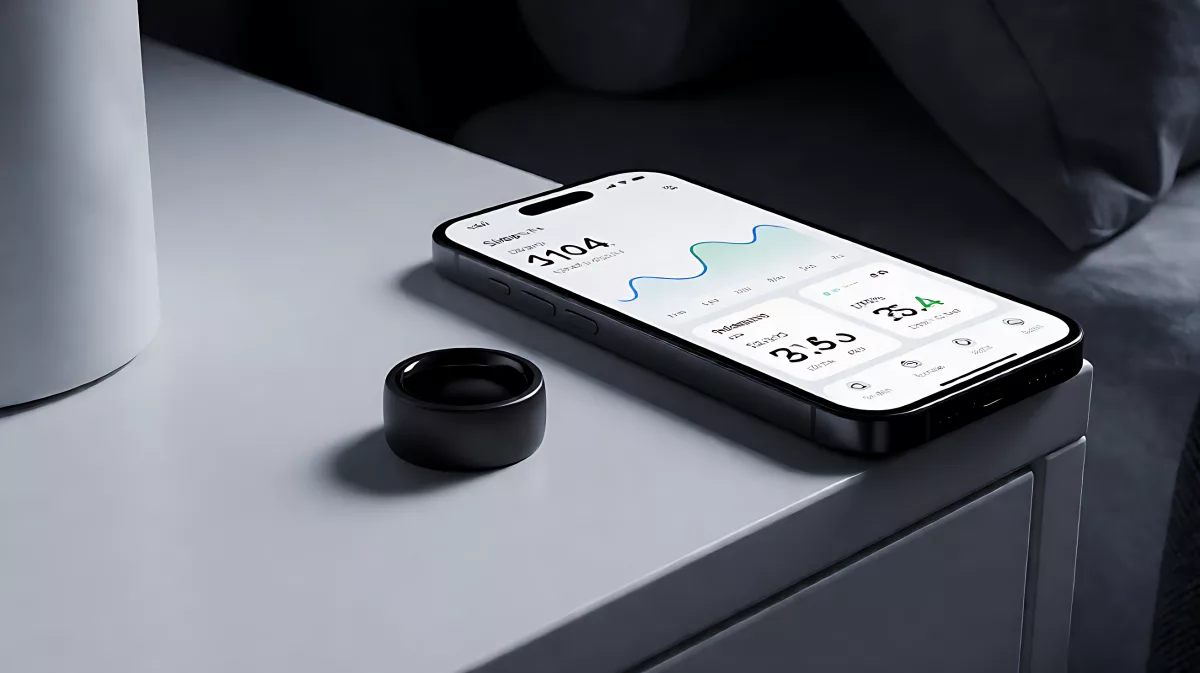
Smart rings are gaining trust, but how accurate are they really? We break down the validation methods, recent study results, and what you need to know before relying on your sleep score.
Smart rings now track over 50 health metrics, but their sleep accuracy is validated through rigorous comparison with polysomnography, the clinical gold standard. Recent independent analyses show top-tier models achieving high alignment with medical readings, particularly for sleep stages and heart rate variability. While not a diagnostic tool, these devices offer reliable insights for tracking trends and improving recovery when used consistently.
How Do Smart Rings Validate Sleep Accuracy?
To claim accuracy, wearable manufacturers must compare their device data against a reference standard. For sleep, that standard is polysomnography (PSG), a comprehensive overnight test that monitors brain waves, oxygen levels, blood flow, breathing, and eye and leg movements. A smart ring cannot replicate every PSG sensor, so validation focuses on correlating key biometric signals: heart rate, heart rate variability (HRV), blood oxygen saturation, and body temperature.
Researchers typically use a dual-sensor setup where participants wear both a clinical headband and a smart ring simultaneously. The ring’s algorithms are then trained to classify sleep stages—awake, light, deep, and REM—based on these correlations. This process is often referred to as an "accuracy study" or "validation study." The goal is not to match every single millisecond of the clinical data but to demonstrate a strong statistical agreement across major sleep architecture markers.
What Metrics Are Most Reliable in Rings?
- Heart Rate and HRV: These are generally the most accurate metrics in ring-based devices because they are direct physiological signals. Changes in HRV are a strong proxy for autonomic nervous system activity, which shifts predictably during sleep stages.
- Blood Oxygen (SpO2): Modern rings use photoplethysmography (PPG) to estimate oxygen saturation. While less precise than finger-pulse oximeters in dynamic conditions, nighttime readings are stable enough to flag potential apnea patterns.
- Body Temperature: Rings track subtle shifts in skin temperature, which can indicate the onset of sleep and shifts between thermoregulatory cycles. This is highly valuable for predicting sleep onset latency.
- Sleep Stages: This is the most challenging metric. While top models now offer high correlation with REM and deep sleep detection, light sleep and awake periods can sometimes be misclassified, especially if the user moves frequently.
What Do Recent Validation Studies Show?
In 2026, the landscape for wearable validation has matured significantly. Major brands no longer rely on small, internal sample sizes. Instead, they publish or reference peer-reviewed data involving hundreds or thousands of participants over extended periods. For instance, a prominent 2026 survey of 3,501 members found that 86% of users reported health improvements after using their smart rings for just 30 days. This self-reported data, when cross-referenced with objective metric changes, helps validate the user's perception of their health trajectory.
Independent tests cited in recent tech and health publications indicate that premium smart rings and advanced smartwatches can achieve up to 85% alignment with polysomnography readings for key sleep metrics. This level of consistency is sufficient for identifying trends, such as chronic sleep debt or irregular cycles, but it does not replace a clinical diagnosis. For example, the Oura Ring 5, reviewed by The Guardian in 2026, was noted as a generational leap in hardware, allowing for more precise sensor placement and data collection. This hardware advancement directly contributes to the validation numbers, as better signal-to-noise ratios lead to more accurate algorithmic outputs.
Which Brands Are Leading in Validated Accuracy?
While many devices claim accuracy, a few stand out for their transparent validation processes:
- Oura: Known for its long-term clinical partnerships, Oura regularly updates its algorithms based on large-scale data. Their 2026 updates focus on heart health and stress, using HRV and temperature data to refine sleep scores.
- Samsung Galaxy Watch Series: These devices often use AI-driven algorithms that have been validated against clinical studies. They offer detailed sleep staging without requiring a subscription, making the data more accessible for long-term tracking.
- Apple Watch: While primarily a smartwatch, Apple’s sleep tracking has undergone rigorous FDA-style validation for respiratory rate and heart rate during sleep. Its integration with health apps allows for a broader context of daily activity, which influences sleep accuracy.
How Does the Healthline Approach Influence Consumer Trust?
Consumer confidence in health tech is heavily influenced by how information is presented. Platforms like Healthline, which employ 130 medical reviewers and have 19 years of experience, play a crucial role in translating complex study data into actionable advice. They do not just report "accuracy" but contextualize it. For example, a study might show a 90% match for REM sleep, but a medical reviewer will explain that a 10% variance can still be significant for someone with a sleep disorder.
This layer of medical review is critical. It bridges the gap between raw biometric data and human health. When a smart ring flags a low SpO2 reading, the user needs to know whether this is a blip or a trend indicating sleep apnea. Healthline and similar bodies provide that guidance, emphasizing that wearables are for wellness, not diagnosis. The 50 million monthly readers of such platforms are increasingly looking for evidence-based content that helps them interpret their ring's data correctly.
What Should You Look For in a Validated Sleep Tracker?
Before purchasing a smart ring or wearable for sleep tracking, look for these three validation markers:
- Peer-Reviewed Citations: Check if the manufacturer cites specific journals or independent labs for their accuracy claims.
- Longitudinal Data: Prefer brands that share data from multi-month studies rather than single-night tests. Sleep is cyclical, and accuracy needs to hold up over time.
- Transparent Algorithms: The best brands explain *how* they calculate their sleep score. If a company offers a "mystery score" without explaining the underlying HRV or temperature metrics, be cautious.
As the wearables market grows, with sleep-tracking models capturing over 40% of smartwatch sales in recent years, the pressure on accuracy is immense. Budget-friendly models are closing the gap, with some achieving reliable results under $100 by using intelligent software calibration. However, for the most rigorous validation, premium rings that offer 24/7 wear comfort and advanced sensor suites remain the benchmark.
Frequently Asked Questions
Can a smart ring diagnose sleep apnea?
No. Smart rings are wellness devices, not medical instruments. They can detect patterns consistent with sleep apnea, such as low blood oxygen or irregular heart rate, but only a sleep specialist using a clinical device like a polysomnography machine can diagnose the condition. Always consult a doctor for medical concerns.
How often is sleep tracking data validated?
Validations are not a one-time event. Major manufacturers conduct ongoing accuracy studies as they update their algorithms and release new hardware. For instance, the Oura Ring 5 undergoes continuous validation to ensure its new sensor configurations maintain high correlation with clinical standards. Users should look for brands that publish regular updates on their methodology.
Is a smart ring more accurate than a smartwatch for sleep?
A smart ring is often more comfortable for overnight wear, which can lead to less motion artifact data. However, accuracy depends on the specific device and its sensor quality. A high-end smartwatch may have a larger sensor array, but a dedicated ring is designed specifically for 24/7 biometric monitoring, often resulting in more consistent baseline data for sleep and HRV trends.
What is the "gold standard" for sleep tracking?
The gold standard is polysomnography (PSG), an in-lab overnight study that records brain activity, eye movements, muscle tone, and breathing. Wearables aim to replicate key aspects of this data, such as heart rate variability and body temperature, to provide a portable, at-home approximation of sleep health.