Efficient Cleaning Methods For 2026 Homes
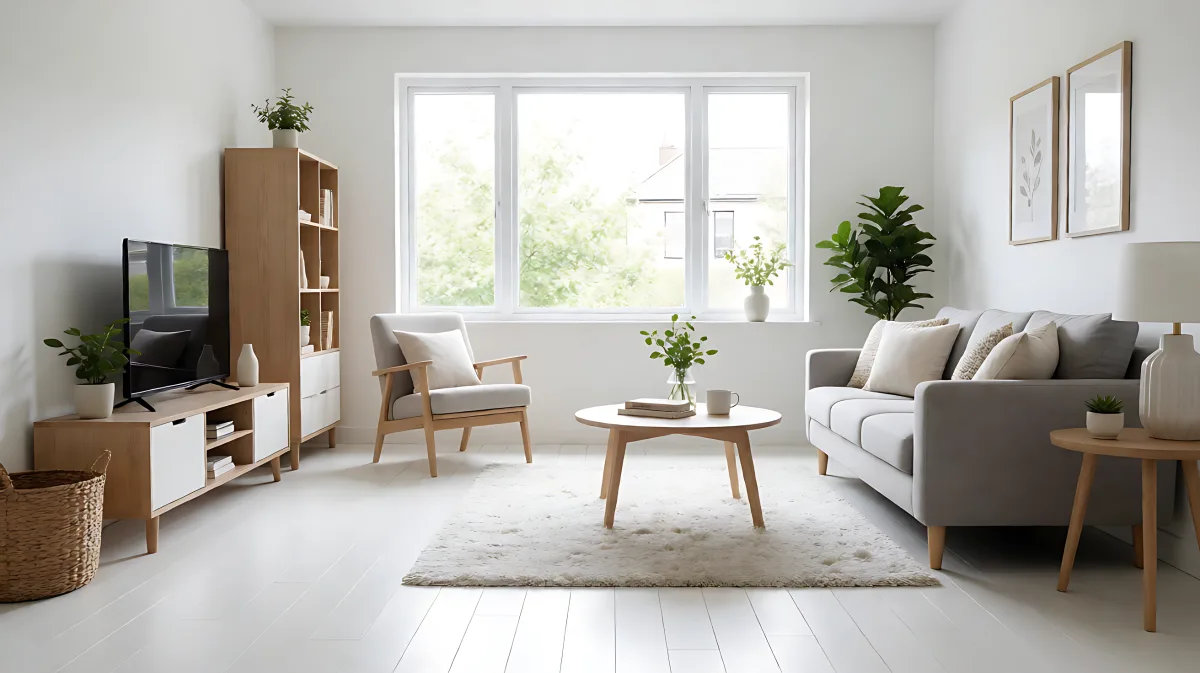
Master the art of cleaning with targeted strategies for every room. From efficient kitchen routines to safe bathroom practices, ensure your home is spotless and healthy using the latest 2026 techniques.
Effective cleaning is not just about aesthetics; it is a vital practice for maintaining health, safety, and the longevity of your home. In 2026, homeowners are prioritizing sustainable methods and targeted routines that save time while ensuring thorough hygiene. Whether you are tackling a deep clean or maintaining daily tidiness, understanding the right techniques for each surface makes a significant difference in your living environment.
Why Is Effective Cleaning Essential For Modern Homes?
Cleaning serves multiple purposes, from removing allergens and bacteria to preserving the value of your property. In contemporary households, the focus has shifted toward health-conscious maintenance. Regular cleaning prevents the buildup of dust and grime that can trigger respiratory issues, particularly for families with children or pets. Furthermore, maintaining a clean environment extends the life of furniture and appliances, saving money on replacements. As noted by industry experts, a structured cleaning plan is more efficient than sporadic, exhaustive efforts.
What Are The Best Cleaning Methods For Kitchens?
The kitchen is the heart of the home and the area where food safety is paramount. To keep it spotless, focus on these key strategies:
- Preventive Maintenance: Wipe down countertops and sink areas after each use to prevent grease buildup. This simple habit saves hours of scrubbing later.
- Appliance Care: Regularly clean the interior of your refrigerator and microwave. For ovens, use a natural mixture of baking soda and water to create a paste that lifts burnt-on food without harsh chemicals.
- Sanitizing Surfaces: High-touch areas like light switches and faucet handles should be disinfected daily. Using a microfiber cloth ensures that dust is trapped rather than spread around the room.
According to home hygiene guidelines, dedicating fifteen minutes each day to kitchen maintenance significantly reduces the need for a deep clean. This approach aligns with the growing trend of "micro-cleaning," which focuses on small, manageable tasks.
How Should You Clean Bathrooms For Maximum Hygiene?
Bathrooms are humid environments that encourage the growth of mold and bacteria. A systematic approach is necessary to keep these spaces safe:
- Ventilation Is Key: Use the exhaust fan or open a window to reduce humidity. This prevents mold spores from settling on tiles and grout lines.
- Targeted Disinfection: Focus on the toilet, shower, and sink drains, which are common sources of germs. A mixture of white vinegar and hot water works effectively on limescale and soap scuff without damaging surfaces.
- Floor Attention: Mopping is essential, but ensure the mop is clean to avoid transferring dirt from other parts of the house. For tile floors, a steam mop can provide a chemical-free clean.
In 2026, eco-friendly cleaning solutions are gaining popularity. Many homeowners are switching to plant-based detergents that are effective yet gentle on the environment. These products often come in concentrated forms, reducing plastic waste and shipping emissions.
What Are The Best Techniques For Floor Care?
Floors bear the brunt of daily foot traffic, dust, and debris. Proper care depends on the material:
- Hardwood: Sweep or use a vacuum with a soft brush attachment to remove debris. Mop sparingly with a damp, not wet, cloth to avoid warping the wood.
- Carpet: Vacuum daily in high-traffic areas. For deep cleaning, consider professional steam cleaning every six to twelve months. This removes embedded dirt and allergens that regular vacuuming misses.
- Tile: Scrub grout lines with a dedicated brush and a mild detergent. Regularly check for cracks that can trap moisture and lead to mold growth.
Regular maintenance prevents the need for aggressive chemicals that can damage flooring materials. A consistent routine ensures that your floors remain durable and attractive for years.
How Can You Make Cleaning More Efficient And Sustainable?
Efficiency is about working smarter, not harder. Consider these strategies:
- Zone Cleaning: Tackle one area at a time to maintain focus and ensure no spots are missed. This method reduces fatigue and increases thoroughness.
- Multi-Use Cleaners: Invest in versatile products that can be used on various surfaces. A simple vinegar and water solution can clean glass, mirrors, and many hard surfaces.
- Preventative Measures: Dust less often by using microfiber cloths, which trap particles electrostatically. Cover beds and surfaces with protective fabrics to reduce the buildup of hair and dust.
Sustainability is also a critical factor. Choosing refillable containers and biodegradable cleaning agents reduces your environmental footprint. Many local organizations now offer programs to help households transition to green cleaning habits without sacrificing quality.
What Common Mistakes Should You Avoid When Cleaning?
Even with the best intentions, mistakes can lead to ineffective results or damage to your home:
- Using Too Much Product: Excessive detergent can leave residue that attracts more dirt. Follow the instructions on the label for optimal results.
- Ignoring High-Touch Points: Items like doorknobs, remote controls, and phone screens harbor significant bacteria. Include them in your daily wipe-down routine.
- Neglecting The Sills: Window sills are perfect spots for dust accumulation. Don't skip these areas when dusting to keep your home truly clean.
By avoiding these pitfalls, you ensure that your cleaning efforts yield a consistently fresh and healthy living space.
Frequently Asked Questions About Cleaning
How Often Should I Deep Clean My Home?
A deep clean every three to six months is recommended for most households. This includes detailing areas that regular cleaning misses, such as behind appliances, inside cabinets, and window tracks. The exact frequency depends on your family's size, presence of pets, and local climate conditions.
Are Natural Cleaning Products Effective Against Germs?
Yes, many natural products like white vinegar, hydrogen peroxide, and baking soda are highly effective against common household germs. While they may not be as potent as commercial bleach for severe mold, they are safe for everyday hygiene and are recommended for regular maintenance in 2026 guidelines.
What Is The Best Way To Clean Windows?
Clean windows on a cloudy day to prevent the cleaning solution from drying too quickly. Use a squeegee in an S-pattern for streak-free results. For the frame and sill, use a damp cloth with a mild detergent, followed by a rinse with clean water to ensure no residue remains.
How Can I Reduce Dust In My Home?
Change your HVAC filters every three months, keep windows closed during high-pollen days, and use door mats to trap outdoor dirt. Regular dusting with microfiber cloths and vacuuming with a HEPA filter are the most effective strategies to minimize airborne dust particles.