Sleep Science and Practical Habits
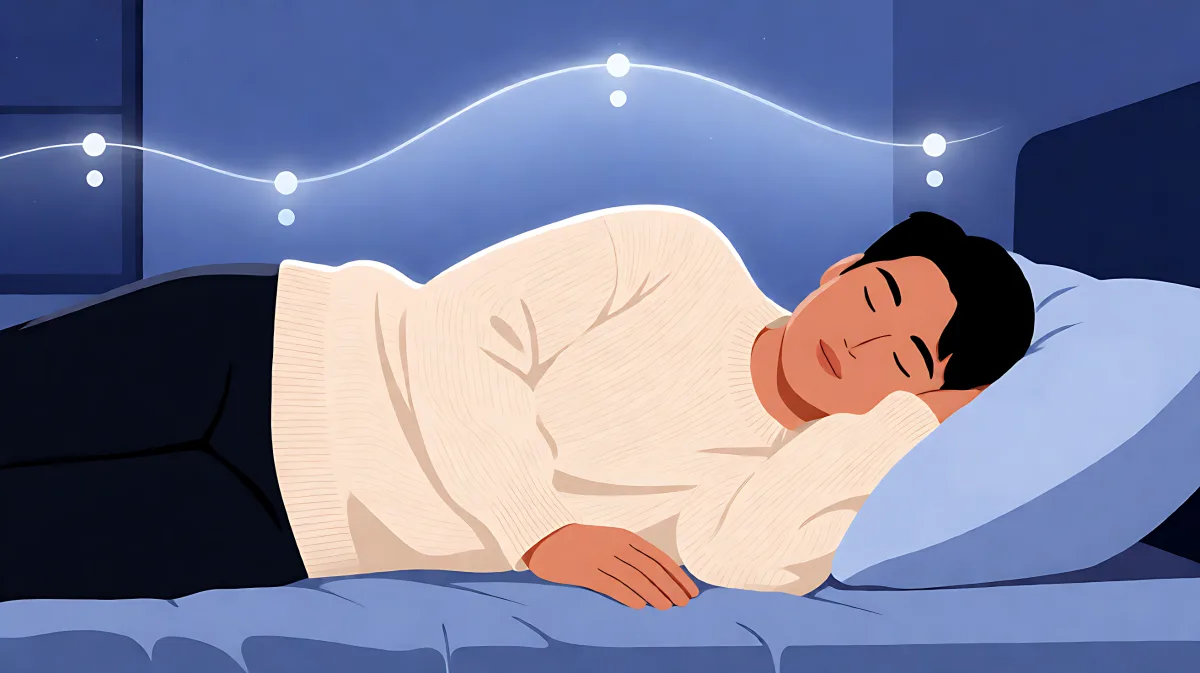
Sleep is a complex biological process involving active brain cycles that restore the body. This guide explains REM and non-REM stages, the role of snoring in airway health, and how temperature control impacts rest quality for better daily performance.
Sleep is a naturally recurring resting state where consciousness is altered and sensory activity is inhibited, playing a critical role in physical restoration and cognitive function. It is not a passive shutdown but an active period where the brain cycles through distinct phases to repair systems, consolidate memory, and regulate hormones. Proper sleep hygiene involves managing environmental factors like light exposure and temperature to support the body's internal circadian clock.
How Does the Body Process Sleep Cycles?
Human sleep occurs in repeating cycles that alternate between two primary modes: rapid eye movement (REM) and non-REM sleep. While REM is named for the visible eye movement, it also involves a temporary virtual paralysis of the body to prevent physical acting out of dreams. These cycles are fundamental to maintaining mood and cognitive function. During the sleep period, the brain uses significantly less energy than when awake, particularly in non-REM stages, allowing it to replenish adenosine triphosphate (ATP), the molecule essential for cellular energy.
Researchers from various academic institutions have identified that a core purpose of sleep is the cleansing of neural waste products. As noted in recent neurological studies, the brain actively removes amyloid and other toxins, a process that underpins long-term mental health. This makes sleep a highly conserved behavior across animal evolution, suggesting its biological necessity spans hundreds of millions of years. The internal circadian clock promotes sleep at night, aligning rest with the absence of natural light.
What Role Does Temperature Play in Rest Quality?
Environmental factors, particularly temperature, significantly influence the ease of falling asleep and the depth of rest. Many modern sleep environments fail to regulate heat, leading to disruptions. For example, the Sleepme Chilipad 2.0, a cooling mattress toper released in recent years, utilizes water circulation to manage bed temperature. The device can cool to 55 degrees Fahrenheit and heat to 115 degrees Fahrenheit, offering a precise level of control that traditional bedding cannot achieve.
Dr. Chris Winter, a neurologist and sleep advisor, has highlighted the impact of thermal comfort on sleep architecture. He notes that maintaining a stable, cool environment helps prevent the 3 a.m. wake-ups associated with heat trapping in mattresses. For athletes and individuals undergoing menopause, where temperature regulation is often unstable, these active cooling systems can be transformative. The technology is designed to be whisper-quiet and free of electromagnetic fields, addressing common concerns about bedside electronics.
Why Does Snoring Occur and How Is It Diagnosed?
Snoring, or stertor, is an abnormal breath sound resulting from partially obstructed, turbulent airflow in the upper respiratory tract. This vibration typically involves the uvula, soft palate, and the base of the tongue during inhalation. While often dismissed as a minor nuisance, snoring is a clinical marker that can indicate underlying health issues. Primary snoring is defined by an apnea-hypopnea index of less than 5 events per hour, assessed via polysomnography or home sleep tests, and is usually not associated with severe health risks.
However, snoring can be a symptom of obstructive sleep apnea, a condition where breathing is repeatedly interrupted. In this apneic snoring, patients experience breath holding, gasping, or choking. The American Academy of Sleep Medicine emphasizes that untreated obstructive sleep apnea is linked to increased risks of cardiovascular disease and cognitive decline. Diagnosis typically involves monitoring respiratory disturbance indices to differentiate between harmless snoring and potentially dangerous apneic episodes. Lifestyle modifications, such as weight loss and avoiding alcohol, are often the first steps in management, while dental appliances or positive airway pressure therapy may be required for more severe cases.
Does Artificial Light Affect My Sleep?
Yes, the use of artificial light, particularly from digital devices, has substantially altered modern sleep patterns. Screens emit large amounts of blue light, which the body interprets as a signal of daytime. This exposure disrupts the release of melatonin, the hormone essential for regulating the sleep cycle. To optimize rest, it is recommended to minimize exposure to bright screens in the hour before bedtime. This aligns with the natural circadian rhythm and facilitates the onset of sleep.
Can a Nap Really Help?
Midday naps, often referred to as power naps, may be necessary for some individuals to maintain cognitive performance. Research is actively studying the optimal duration and timing of these short breaks. While they can provide a mental reset, they should not replace the primary sleep period. Excessive napping can interfere with the homeostatic drive for sleep at night, potentially leading to insomnia or circadian rhythm sleep disorders.
Frequently Asked Questions
How many hours of sleep do adults need?
Most adults require between seven and nine hours of sleep per night to maintain optimal health. Individual needs vary based on age, genetics, and overall physical activity levels. Consistent duration is more important than hitting a specific number, as regularity helps stabilize the circadian clock.
Is snoring always a sign of sleep apnea?
No, snoring is not always a sign of sleep apnea. Primary snoring can occur without any associated sleep disorders and may be caused by anatomical factors like nasal congestion or a deviated septum. It is only considered a symptom of obstructive sleep apnea when it is accompanied by pauses in breathing, gasping, and excessive daytime sleepiness.
How do cooling mattress toppers work?
Cooling mattress toppers, such as those using water circulation, regulate temperature by either removing heat from the body or providing direct cooling. This prevents the body from overheating, which can fragment sleep. By maintaining a stable thermal environment, these devices help users stay in deeper sleep stages for longer periods.
What is the best time to go to bed?
The best time to go to bed is consistent with your natural circadian rhythm, typically between 10 p.m. and 11 p.m. for most adults. Keeping a consistent sleep schedule on weekends and weekdays helps prevent social jet lag and ensures the body's internal clock remains synchronized with the external day-night cycle.