Silent Sleep Signs Causing Memory Lapses in Seniors
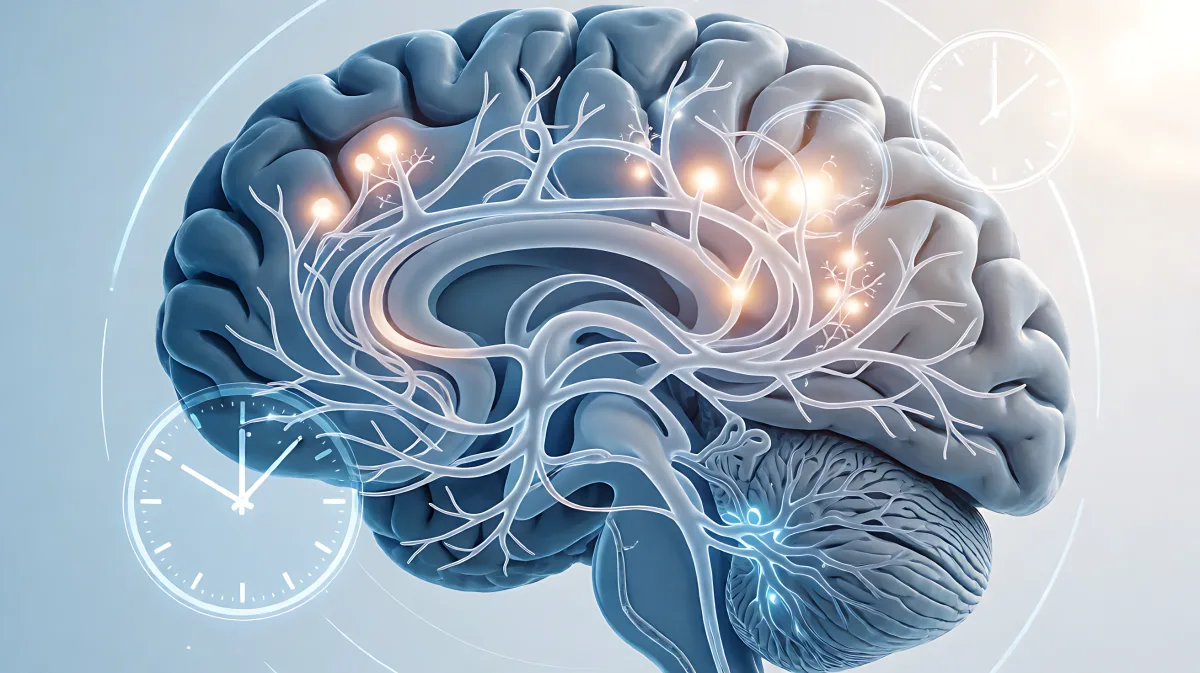
Active seniors often dismiss memory lapses as natural aging, but sleep deprivation is a key driver. This guide explores the silent neurological signs of poor sleep and how to protect cognitive function.
Chronic sleep deprivation is a leading cause of memory lapses in active seniors, often masquerading as natural aging. When adults over 65 consistently fail to achieve seven to eight hours of quality rest, the brain’s glymphatic system fails to clear toxic proteins, and memory consolidation is disrupted. This results in silent cognitive declines that can be reversed by addressing sleep hygiene and underlying disorders.
How Do You Know if Sleep Is Undermining Your Memory?
For many in their seventies and eighties, the link between a restless night and a vague memory slip during the day is not immediately obvious. The signs are often subtle. Instead of dramatic blackouts, active seniors may experience a consistent fog that persists throughout the morning. According to recent neurological insights published in 2026, this mid-morning cognitive dullness is a primary indicator that the brain has not received sufficient restorative sleep. It is easy to attribute this to stress or workload, but it is frequently the direct result of interrupted deep sleep cycles.
What Are the Early Warning Signs of Cognitive Fatigue?
The brain reveals sleep debt through specific cognitive and emotional markers that are distinct from simple tiredness. These signals often appear before physical symptoms become severe. Understanding them is critical for active seniors who wish to maintain their independence and mental sharpness.
- Word Retrieval Gaps: Struggling to find common names or objects, such as the word for 'fork' or 'telephone,' which used to be effortless. This is a hallmark of impaired memory encoding.
- Emotional Volatility: Experiencing heightened irritability or mood swings. Neuroimaging research indicates that sleep-deprived individuals show a sixty percent increase in amygdala reactivity, making negative emotions feel more intense and harder to regulate.
- Difficulty Sustaining Attention: A reduced ability to focus on tasks like reading a newspaper or following a conversation. The prefrontal cortex, responsible for alertness, functions poorly without adequate rest.
- Microsleeps: Brief, involuntary lapses into sleep lasting only seconds. These can occur while driving or sitting, posing a significant safety risk that many seniors do not recognize.
What Biological Processes Are Disrupted by Poor Sleep?
To understand why sleep affects memory, one must look at the intricate biological machinery that operates while we are unconscious. Two critical systems rely heavily on the quality and quantity of sleep, particularly in the aging brain.
How Does the Glymphatic System Affect Alzheimer's Risk?
The brain contains a unique waste clearance network called the glymphatic system, which functions like a nightly cleaning crew. During deep, slow-wave sleep, this system flushes out metabolic waste products, including amyloid-beta and tau proteins. These proteins are the primary culprits behind plaque buildup in Alzheimer's disease. In active seniors, the natural decline in deep sleep hours means the system has less time to operate. When sleep is further fragmented by pain or frequent awakenings, the clearance process is severely impaired. This allows toxic proteins to accumulate, directly damaging neurons and accelerating cognitive decline. A large meta-analysis of prospective studies found that older adults with fragmented sleep face a significantly higher risk of developing dementia, highlighting that sleep quality is as important as sleep duration.
Why Is Memory Consolidation Impossible Without Deep Sleep?
Learning is not a one-time event; it is a process that requires time to stabilize. When you are awake, the hippocampus temporarily stores new experiences. However, for these to become permanent long-term memories, the brain must replay and transfer this information to the neocortex. This transfer, known as memory consolidation, occurs almost exclusively during deep sleep stages. If a senior gets only four hours of sleep, or if their sleep is constantly interrupted, the hippocampus cannot complete this transfer. The result is a measurable reduction in the brain's capacity to retain what was learned or experienced that day. This explains why seniors who sleep poorly often feel that they are 'living in the moment' with no ability to recall details from the past few hours or days.
How Does Aging Change Sleep Architecture and Increase Risk?
It is a common misconception that older adults need significantly less sleep than younger adults. The American Academy of Sleep Medicine and the Sleep Research Society jointly recommend that adults over 65 continue to aim for seven to eight hours of sleep per night. However, the structure of that sleep changes dramatically with age.
| Sleep Parameter | Young Adult (20-40) | Active Senior (65+) |
|---|---|---|
| Deep Sleep Percentage | 20-25% | 10-15% |
| Sleep Efficiency | 90-95% | 75-80% |
| Nighttime Awakenings | 1-2 brief | 2-4 frequent |
This shift in architecture means that a 75-year-old who spends seven hours in bed may actually be getting significantly less restorative sleep than a 35-year-old in the same time. Furthermore, the body's circadian rhythm often shifts earlier, causing seniors to fall asleep earlier in the evening and wake up in the pre-dawn hours. This misalignment can lead to cortisol misfires, where the stress hormone rises too early, pulling the individual from sleep prematurely and leaving them feeling exhausted despite alertness.
Do Short Sleepers Face Higher Cardiovascular Risks?
The impact of sleep deprivation on active seniors extends beyond the brain. The cardiovascular system requires the nightly drop in blood pressure that occurs during rest. Without it, the risk of hypertension, heart attack, and stroke increases. A large meta-analysis found that short sleep duration in older adults is associated with a forty-eight percent higher cardiovascular mortality rate. Additionally, immune function deteriorates, with inflammatory markers like interleukin-6 rising, which makes seniors more susceptible to respiratory infections and slower to recover from illness.
What Can Active Seniors Do to Protect Their Memory?
While the biological changes of aging are inevitable, the damage caused by sleep deprivation is largely preventable. Taking proactive steps to improve sleep hygiene can preserve cognitive function and reduce the risk of dementia. The goal is to maximize the quality of the sleep hours available, ensuring that deep sleep cycles are achieved.
How Can You Optimize Your Evening Routine for Brain Health?
Establishing a consistent schedule is the foundation of healthy sleep. Going to bed and waking up at the same time every day helps anchor the circadian rhythm and regulates cortisol levels. Seniors should avoid caffeine after mid-afternoon and limit exposure to blue light from screens in the hour before bed. Creating a cool, dark, and quiet environment is also crucial. If pain is a barrier to sleep, consulting a physician to manage chronic conditions is essential, as discomfort leads to fragmented sleep.
Are There Medical Treatments for Sleep-Related Memory Loss?
When behavioral changes are not enough, medical intervention may be necessary. Cognitive Behavioral Therapy for Insomnia (CBT-I) is a highly effective, non-drug approach that helps retrain the brain's sleep-wake cycle. For those suffering from obstructive sleep apnea, the use of CPAP machines or specialized oral devices can restore oxygen flow and protect the brain from hypoxia-related damage. It is vital to view sleep issues as a modifiable risk factor rather than a fixed part of aging. Regular check-ups with a sleep specialist can identify underlying conditions that may be silently eroding memory.
Frequently Asked Questions
Does sleeping more than 8 hours help memory in seniors?
No, sleeping significantly more than nine hours is often a sign of an underlying issue, such as depression or early dementia, rather than a protective measure. The focus should be on the quality and consistency of sleep, not just the total duration. Aiming for the recommended seven to eight hours of efficient sleep is the optimal target for most active seniors.
Can I improve my memory by napping during the day?
Short naps of twenty to thirty minutes can boost alertness and consolidate short-term memories, but long naps in the late afternoon can interfere with nighttime sleep drive. If you nap, keep it early in the day and limit it to thirty minutes to avoid disrupting the circadian rhythm.
Is it too late to reverse memory loss caused by poor sleep?
While chronic damage may not be fully reversible, stopping the progression of cognitive decline is possible. By addressing sleep deprivation now, you can reduce the accumulation of toxic proteins and improve the brain's efficiency in processing new information. It is never too late to start optimizing sleep for better brain health.