Sensory Gardens for Dementia: Design & Benefits
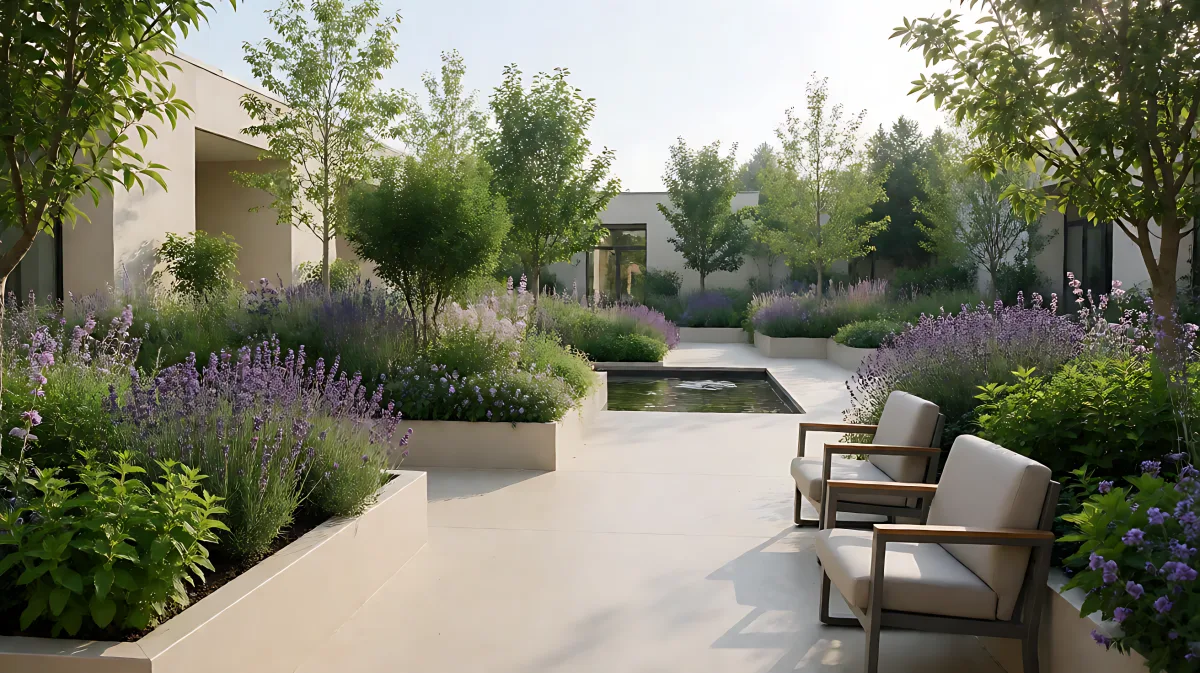
Sensory gardens tailored for dementia help reduce agitation and unlock memories through scent, texture, and sound. This guide explores how to create safe, engaging outdoor spaces that foster independence and connection for residents and families.
A sensory garden for dementia is a specifically designed outdoor space that engages sight, sound, smell, touch, and taste to reduce anxiety and stimulate autobiographical memory. Unlike standard gardens, these spaces prioritize safety, accessibility, and non-toxic plants to allow individuals living with dementia to explore freely and comfortably.
Why Do Sensory Gardens Matter for Dementia?
Research in care settings indicates that while cognitive function changes, sensory processing often remains intact. For people living with dementia, familiar scents and textures can serve as powerful anchors to the present, sparking moments of clarity and emotional connection. Organizations such as the Social Care Institute for Excellence (SCIE) highlight that time spent in dementia-friendly gardens helps individuals relax, feel calm, and reduces the likelihood of agitation or distress. The impact extends beyond mental calm; it fosters social interaction, encourages gentle physical movement, and provides a safe environment for independence.
How Does This Impact Emotional Wellbeing?
The primary goal of a sensory garden is to lower stress levels. Calming scents from herbs and gentle sounds from water features or wind chimes create a therapeutic atmosphere. This environment supports a settled mood, which is crucial for individuals who may experience heightened sensory sensitivity or anxiety in busy indoor environments. By offering a predictable and safe outdoor space, these gardens become a refuge where residents can spend unhurried time with family or care teams, strengthening bonds and reducing feelings of isolation.
What Makes a Garden Dementia-Friendly?
Designing for dementia requires more than planting flowers; it involves creating an intuitive, safe, and multi-sensory environment. The core principles focus on removing barriers to participation and ensuring that every element, from the path to the plant choice, supports autonomy.
How Should You Prioritize Safety and Accessibility?
Safety is paramount. Pathways must be wide, smooth, and free of clutter to support confidence and gentle physical activity. Non-slip surfaces are essential for all weather conditions to prevent falls. Boundaries should be soft yet clear, such as natural hedges or fencing, to reduce the risk of disorientation. All planting must be non-toxic, ensuring residents can explore and touch plants without risk of harm. Erik Cortez, Clinical Deputy Manager at Cedar View Care Centre, emphasizes that weed-free pathways and secure boundaries are vital safety considerations in these designs.
Which Plants Enhance Sensory Stimulation?
Effective sensory gardens utilize specific plants known for their aroma and texture. Aromas like lavender, rosemary, thyme, and lemon balm are highly effective at promoting relaxation and evoking memory. Textures from lamb’s ear, ferns, and ornamental grasses encourage gentle touch. Mark Reeve, Senior Plants Advisor at Coolings Garden Centre, recommends hardy, scented herbs like thyme and sage, as well as non-toxic shrubs like Osmanthus delavayi. It is critical to avoid toxic scented plants like Daphne. For taste, edible herbs, berries, and salad leaves offer safe, enjoyable interactions that connect residents to seasonal rhythms.
What Features Support Independence and Purpose?
A garden should invite activity, not just observation. Features like raised planters allow people with limited mobility to participate in gardening tasks, such as watering or planting seeds. These simple actions provide a sense of purpose and achievement. Wildlife features, such as bird feeders, offer joyful points of interest that can trigger memories of past pets or gardens. Interactive elements, including tactile sculptures or water features, create focal points for conversation and sensory engagement.
How Can Staff and Families Use the Space?
The garden thrives when it is actively used. Care teams should be trained to view the space as a therapeutic environment, guiding residents through activities that match their abilities. Intergenerational care activities, where children and elders garden together, have been shown to boost mood and social confidence. Volunteers and staff can break down tasks into manageable steps, ensuring residents remain involved. As Sue Faulkner, community manager at The Fremantle Trust, notes, gardening promotes independence and socializing, allowing residents to recall time spent in their own homes.
What Are the Best Design Layouts?
Layouts should vary to offer different experiences. A 'calm corner' might feature soothing scents and neutral colors with comfortable seating, while a 'communal area' uses vibrant contrasting colors for visual stimulation. Shade and shelter, provided by pergolas or trees, ensure the garden is usable throughout the year. Privacy can be achieved through strategic planting, creating secure-feeling pockets within the larger space. Signage should be clear and simple, aiding orientation without overwhelming the senses.
How Do You Maintain a Sensory Garden?
Regular maintenance is key to keeping the garden safe and engaging. Partnerships with local gardening experts ensure year-round health and value. Seasonal care updates the plants to provide perpetual blooming and greenery. Involving residents in the care process reinforces their sense of ownership and connection to the space.
Frequently Asked Questions
Are sensory gardens suitable for all stages of dementia?
Yes, sensory gardens are beneficial across all stages. In early stages, they encourage independence and social interaction. In later stages, even passive exposure to scent and sound can provide comfort and reduce agitation. The key is adapting activities to the individual’s current ability.
What plants should I avoid in a dementia garden?
Avoid toxic plants like Daphne and certain ornamental shrubs that may be harmful if ingested. Stick to non-poisonous, hardy herbs and flowers. Ensure that any 'taste' options are safe and familiar edible plants like mint or berries.
How much space do I need to build a sensory garden?
You do not need a large plot. A small, well-designed courtyard or corner can be highly effective. Focus on quality features like raised beds, safe pathways, and key scented plants rather than sheer size. A dedicated 'memory corner' with a few nostalgic plants and seating can be just as powerful.
Can I include water features in a dementia sensory garden?
Yes, but safety is critical. Use sealed, shallow water features with moving water (like a fountain or small stream) to create sound without a risk of drowning or slipping on hidden pools. The sound of water helps calm the nerves and supports orientation.
How do I get my care home to install one?
Start by researching the benefits and showing evidence of reduced agitation. Propose a trial in a small area or a 'memory garden' corner. Highlight the non-toxic plant options and safety features to address staff concerns. Many care organizations already prioritize this, so framing it as a therapeutic tool for residents aligns with standard care practices.