Emergency Plan for Seniors: Power Outages & Meds
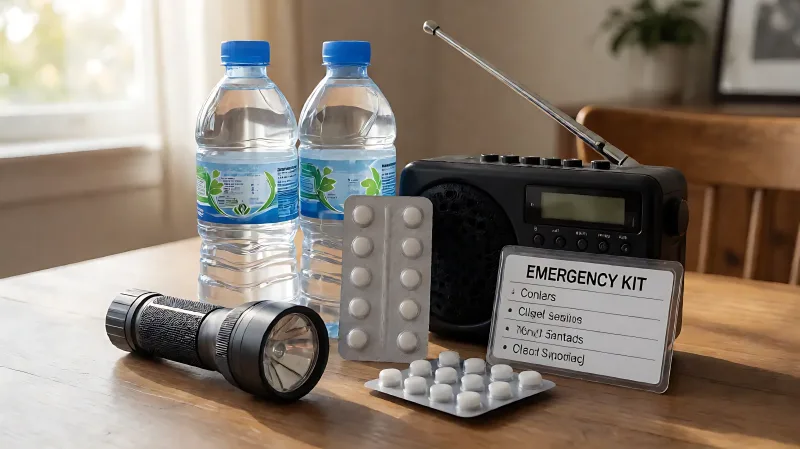
A step-by-step guide for adults over 65 to prepare for power outages and extreme weather. Includes specific medication storage tips, kit checklists, and how to build a support network for safe evacuation.
Protecting older adults during extreme weather and power outages requires a specific plan. The CDC notes that only 52% of U.S. residents had disaster supplies in 2012, a number that likely affects seniors more due to mobility or health needs. This article provides a three-step framework to build your personalized plan. Focus on securing a 7-day medication supply, organizing your support network, and stocking a kit with non-perishable food and water. By assessing your local risks and practicing evacuation routes, you can reduce anxiety and ensure safety when the grid fails.
For more information, see NIA healthy aging resources from the National Institute on Aging.
Why older adults need a specific emergency plan?
Disasters strike without warning. For adults over 65, the risks are higher. Medical conditions may require refrigeration for medications, mobility aids may break down, or isolation may delay help. FEMA’s Ready.gov guide emphasizes that local officials may not reach everyone immediately. Therefore, self-reliance is key. You must plan for scenarios where you are confined to your home for days or need to evacuate quickly. Understanding your specific risks, such as heat waves or ice storms, helps you prepare the right supplies.
How do you assess your personal risks and needs?
Start by identifying what could go wrong. Ask yourself if you have mobility challenges or specific dietary needs. Check if you have an accessible evacuation route. If you live in a rural area, you must plan for longer response times from neighbors or services. If you have limited resources, look into local community assistance programs. According to the American Red Cross, even if you have physical limitations, you can protect yourself by planning ahead. Identify your vulnerabilities now so your plan addresses them directly.
What should you check about your medications?
Your medication list is a critical safety document. Keep a printed copy in your kit and a backup with a trusted family member. Note any drugs that require cold storage. If you take refrigerated insulin or biologics, you need a backup plan, such as a battery-powered cooler. Include a list of your doctors’ phone numbers. This ensures anyone helping you knows exactly what to do if you become incapacitated.
What items belong in a senior emergency kit?
A standard kit is not enough. You need a tailored inventory. The goal is to last at least three days for evacuation and two weeks for home confinement. Keep your kit in a portable container, like a wheeled duffel bag, for easier access. Review expiration dates every six months. Use a first-in, first-out method to replace supplies.
- Water: One gallon per person per day. Store a two-week supply at home.
- Food: Seven days of non-perishable items that do not require cooking. Canned goods and dried fruits are ideal.
- Medications: A seven-day supply plus a full printed list.
- Power and Light: Flashlight, extra batteries, and a battery or hand-crank radio for news.
- Documents: Copies of insurance, IDs, and wills in a waterproof bag.
- Comfort: A warm blanket, extra socks, and a change of clothes.
How do you plan for power outages?
When the lights go out, your heating and cooling systems fail. If you live in a cold climate, you must prevent hypothermia. The American Red Cross recommends having a sleeping bag or extra blankets. Do not rely on candles, which are a fire hazard. Instead, use flashlights with high-capacity batteries. If you have a generator, keep it outside and never use it indoors due to carbon monoxide risks. Have a backup battery for your cell phone and an emergency charger. These tools keep you connected when the grid is down.
What is the best way to stay warm without power?
Seal doors and windows with tape to keep drafts out. Move to a central room on the lowest floor. Wear layers, including a hat and mittens. If you have a vehicle, you can spend short periods in it for warmth, but never sleep in a parked car. Use a battery-powered space heater only if it is rated for indoor use and never place it on a carpet.
How do you build a support network for help?
Isolation increases danger. You need a team. Choose at least one person who has a key to your home. This person must know where your supplies are and how to administer your medications if needed. Share your plan with neighbors, family, and caregivers. Practice your evacuation route with them. If you live in a community, connect with local organizations like the Red Cross or church groups. In recent years, a three-way phone call between three older women saved lives during a tornado outbreak in Mississippi. Their neighbor provided shelter when two of their homes were damaged. This story shows that a strong network saves lives.
What should you tell your support network?
Be specific. Tell them your medical conditions, allergy list, and emergency contacts. Provide them with a spare key and a copy of your will if appropriate. Ensure they know your preferred evacuation route and meeting place. If you have pets, ask for help with them, as many shelters do not allow animals. Arrange for a backup caregiver if your primary one is unavailable.
What are the best communication strategies during a disaster?
Local phone lines often jam during emergencies. Choose an out-of-town contact person. After a disaster, long-distance calls are easier than local ones. Carry contact info in your wallet. Sign up for local alerts via text or email. Your county emergency management agency provides these services for free. Keep a battery-powered radio to receive broadcasts if internet fails. Have a manual map of your area in case GPS does not work.
FAQ
How much water should I store?
Store one gallon of water per person per day. For a two-week plan, keep 14 gallons. For a three-day evacuation kit, keep three gallons. Rotate your supply every six months to ensure freshness.
Do I need a generator?
A generator is optional but helpful. If you use one, keep it outdoors and maintain it regularly. Battery power packs are a safer and easier alternative for charging devices and running small fans.
What if I live alone?
Living alone increases risk. Assign a neighbor or relative as your daily check-in person during severe weather. Leave a spare key with them and share your meal schedule so they know if you have stopped eating or responding.
How do I keep medications safe?
Keep medications in their original labeled containers. Store them in a cool, dry place away from direct sunlight. If you need refrigeration, use a battery-powered cooler with ice packs. Always include a printed list of your current medications and dosages in your kit.