Recovering Mobility and Confidence After a Hip Fracture | QNest
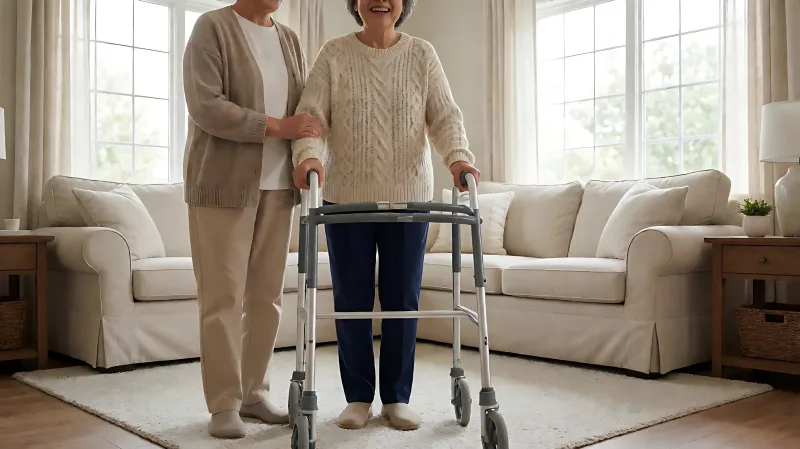
Learn how older adults can rebuild mobility and self-esteem after a hip fracture. Explore rehabilitation strategies, home safety tips, and psychological.
Recovering full mobility and confidence after a hip fracture is challenging but achievable for many older adults. Physical and psychological resilience plays a critical role in long-term outcomes. Successful rehabilitation typically involves structured physical therapy, fall-proofing the home, and addressing the emotional impact of injury. Studies indicate that patients who engage in consistent, skilled rehabilitation are significantly more likely to return to their pre-fracture independence levels within six to twelve months. Support from family and healthcare professionals is essential to navigating this complex journey.
For more information, see NIA healthy aging resources from the National Institute on Aging.
What Are the Immediate Risks After a Hip Fracture?
The first few weeks following surgery or medical management of a hip fracture are critical. The risk of complications such as delirium, blood clots, and pressure sores is highest during this period. According to guidelines from the American Geriatrics Society, surgical stabilization should ideally occur within 48 hours of the injury to reduce these risks. However, the immediate post-operative phase often brings a sense of helplessness that can erode a patient's self-esteem. It is common for older adults to report a significant drop in their perceived independence during this time. Understanding that these setbacks are part of the healing process can help patients and families maintain perspective.
How Does Prolonged Immobility Affect Health?
Immобility leads to rapid muscle atrophy, particularly in the quadriceps and hip extensors, which are vital for standing and walking. This decline in strength makes the first steps back to mobility feel incredibly difficult and dangerous. The Centers for Disease Control and Prevention (CDC) emphasizes that inactivity in older adults can accelerate cognitive decline and increase the risk of secondary fractures. Therefore, the goal of early rehabilitation is not just pain relief, but the preservation of functional capacity. Patients who begin gentle movements and breathing exercises as soon as medically cleared often report less anxiety about moving.
How Can Rehabilitation Strategies Improve Mobility?
Effective rehabilitation is not one-size-fits-all. A qualitative study published in BMC Geriatrics highlighted that older adults value individualized care plans that respect their specific goals and limitations. Skilled physical therapists must assess not just joint range of motion, but also balance, gait mechanics, and home environment. A typical program may last several weeks to months, transitioning from hospital-based care to outpatient sessions or home-based programs.
- Resistance Training: Strengthening the legs and core is crucial. Exercises like seated marches and gentle squats help rebuild the muscle mass lost during hospitalization.
- Balance Exercises: Standing on one foot (with support) or following a line on the floor improves proprioception, reducing the fear of falling.
- Functional Practice: Practicing tasks like stepping over obstacles or holding a cup while walking translates gym progress to real-life independence.
Research from the Journal of Family Practice suggests that protein supplementation is often necessary during this phase. Older adults frequently have low protein intake due to appetite changes or difficulty eating. Without adequate nutrition, the body cannot repair tissue or build muscle, causing rehabilitation to plateau. Working with a dietitian can ensure that caloric and protein needs are met to support tissue healing.
How Should You Make Your Home Safer for Recovery?
Recovery extends beyond the clinic; the home environment must be adapted to prevent re-injury. The U.S. Consumer Product Safety Commission (CPSC) advises removing tripping hazards such as loose throw rugs, which are a common cause of hip fractures. Improving lighting in hallways and bathrooms, especially night lights, can reduce disorientation. Installing grab bars in the shower and near the toilet provides essential support for transfers.
| Hazard | Safety Improvement |
|---|---|
| Loose Carpets/Rugs | Remove or secure with non-slip backing |
| Cluttered Hallways | Clear a wide, unobstructed path for walkers |
| Low Lighting | Install motion-sensor night lights |
| High Bathtubs | Install a bath lift or use a tub bench |
For many older adults, the home becomes a place of anxiety if it feels unsafe. A home safety assessment by an occupational therapist can identify subtle risks that family members might miss. This proactive approach builds confidence, allowing the individual to move through their space with greater security.
What Role Does Psychological Support Play in Recovery?
The psychological impact of a hip fracture is often understated. Patients frequently report a loss of identity and increased depression. A recent study in BMC Geriatrics found that survivors described a transition to "a new me," indicating a fundamental shift in self-perception. Fear of falling (FoF) can become a psychological barrier that keeps patients sedentary, leading to further deconditioning. Addressing mental health is as important as physical therapy.
How Can Fear of Falling Be Managed?
Desensitization techniques, where patients gradually expose themselves to balance-challenging activities in a safe environment, can help. Cognitive behavioral strategies help reframe thoughts from "I will fall" to "I am taking small steps to get stronger." Support groups and counseling can provide a space to share experiences and coping mechanisms. The National Institute on Aging (NIA) notes that social isolation is a significant risk factor for poor outcomes in hip fracture recovery. Maintaining strong connections with friends and family provides the emotional resilience needed to adhere to rehabilitation programs.
It is also helpful to set small, achievable goals. For example, the goal might not be to walk for a mile in a week, but to walk from the living room to the kitchen without stopping. Celebrating these small victories reinforces confidence and encourages continued effort. Engaging in hobbies that can be done in a seated position can also help maintain a sense of normalcy and joy.
When Should You Consult a Medical Professional?
While progress is usually steady, there are signs that require immediate medical attention. Sudden swelling, increased redness, or fever around the surgical site could indicate infection. A sudden drop in mood or confusion may signal delirium, which requires urgent evaluation. It is also important to report any new pain patterns that differ from the expected post-operative soreness. Regular follow-up with the orthopedic surgeon and primary care provider ensures that complications are caught early.
Long-term maintenance is key. Once the acute rehabilitation phase is complete, continuing with a home exercise program is vital to prevent regression. Many communities offer senior fitness classes that focus on balance and strength, which are excellent for maintaining the gains achieved during recovery. The journey back to confidence is a marathon, not a sprint, and patience with the healing process is paramount.
FAQ
How long does it take to fully recover from a hip fracture? Most older adults regain basic independence within six months, but full recovery of pre-fracture functional levels can take up to a year or more. Individual progress varies based on age, health status, and adherence to therapy.
Is it normal to feel fear after getting out of bed? Yes, fear of falling is very common after a hip fracture. It is a natural protective response but should be managed through gradual exposure to balance exercises and safety adaptations at home.
What types of assistive devices are recommended? A walker is often required for several weeks to months post-surgery. Canes may be used for longer periods or for specific tasks. The choice depends on strength, balance, and the specific surgical repair.
Can mental health services help with recovery? Absolutely. Psychologists and social workers can help address depression, anxiety, and the loss of identity that often accompanies a hip fracture. Mental well-being directly impacts physical rehabilitation outcomes.
How can family members support the patient? Provide emotional encouragement, assist with home safety modifications, help with transportation to appointments, and encourage the patient to lead their own rehabilitation as much as possible to build autonomy.