Senior Cardiac Rhythm Monitoring Wearables Guide
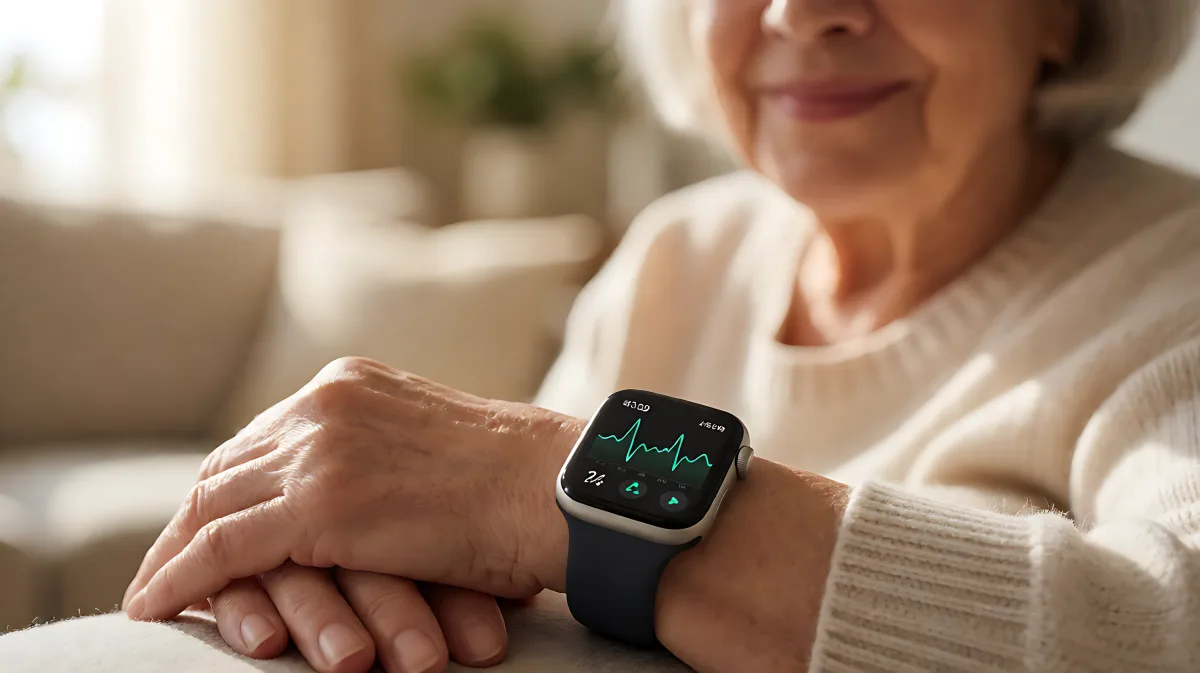
Advanced wearables are transforming home health by monitoring heart rhythms for seniors, offering early detection of cardiac issues and enhancing independent living.
Advanced wearable technology now allows seniors to monitor cardiac rhythms at home, providing critical data on heart health and enabling early detection of irregularities. These devices use continuous electrocardiogram (ECG) capabilities and machine learning algorithms to flag potential atrial fibrillation or other arrhythmias, helping users and healthcare providers intervene before serious incidents occur.
How do wearables track heart rhythm in real-time?
Modern smartwatches and dedicated health bands utilize photoplethysmography (PPG) and single-lead ECG sensors to capture electrical activity of the heart. For seniors, this data is vital because heart conditions often progress silently. In 2025, many devices feature on-wrist ECG functions that allow users to take a reading with the touch of a button, similar to a 10-second hospital strip. The device then analyzes the waveform to detect P-waves and other markers associated with specific arrhythmias. This real-time monitoring ensures that any deviation from a user’s baseline is flagged immediately, often through a push notification on a paired smartphone or smartwatch.
What are the safety and health benefits for older adults?
Timely detection of cardiac issues can prevent medical emergencies that lead to hospitalization. According to the Institute for Public Health Innovation, medical-related emergencies are rising among seniors, and a significant portion of those over 64 experience falls annually, which can be exacerbated by undetected heart rhythm issues. Wearables contribute to a holistic approach to senior care by linking physical activity, heart rate variability, and sleep patterns. When a device detects a potential irregularity, it can prompt the user to seek professional evaluation, thereby reducing the risk of stroke or heart failure. This proactive approach supports the goal of maintaining independence while ensuring that healthcare providers have access to longitudinal data during consultations.
Which specific features make a wearable senior-friendly?
User experience is critical for adoption among older adults. Leading devices in the 2025 market prioritize large buttons, high-contrast displays, and simplified interfaces to reduce friction. Features such as fall detection are increasingly common, allowing the watch to call emergency services if a user is unresponsive after a fall. Additionally, some systems offer 24-hour emergency response integration, where monitoring data is shared with live support teams. The integration of these safety nets ensures that the technology not only monitors health but also provides a safety layer for those living alone.
How do data privacy and medical accuracy intersect?
As these devices collect sensitive biometric data, accuracy and privacy are paramount. Healthcare professionals recommend choosing devices that have received regulatory clearance from bodies like the FDA or CE mark in Europe, ensuring the ECG algorithms are validated for clinical use. Users should be aware that while wearables are powerful screening tools, they are not diagnostic devices for definitive medical conclusions. Data is typically encrypted and stored securely, but seniors and their families should review the privacy policies of any connected app to understand how their health records are handled. Partnering with organizations that advocate for eldercare standards can help ensure that the technology used meets the highest safety protocols.
What is the cost of entry for cardiac monitoring?
While prices vary, many medical-grade monitoring systems offer subscription models with no long-term contracts. In recent promotions, some providers have offered entry-level monitoring at less than a dollar a day, which includes 24/7 live support and free hardware such as waterproof pendants or wristbands. This low barrier to entry makes continuous cardiac care accessible to a broader demographic of seniors. The initial hardware cost is often offset by the potential savings from avoiding emergency room visits, making the investment financially and medically sound.
Can a smartwatch replace a visit to the cardiologist?
No, a smartwatch should be viewed as a monitoring and screening tool rather than a replacement for professional care. It provides valuable data trends that can be discussed with a doctor, but any persistent irregularities detected by the device require a formal medical evaluation and diagnosis by a qualified healthcare provider.
How often should I check my heart rate data?
Most devices track heart rate continuously in the background. Users do not need to manually check their pulse unless they feel unwell. However, running a dedicated ECG check once a day or when experiencing symptoms like palpitations can help build a more detailed picture of heart health over time.
Are these devices suitable for people with existing heart conditions?
Yes, but with caution. Seniors with known heart conditions should consult their cardiologist before starting a new monitoring regimen. The data collected can be extremely useful for adjusting medication or therapy, but it is essential that the specific device is approved for the user's particular health profile by their medical team.