Container Vegetable Garden Guide for Retirees on Pensions
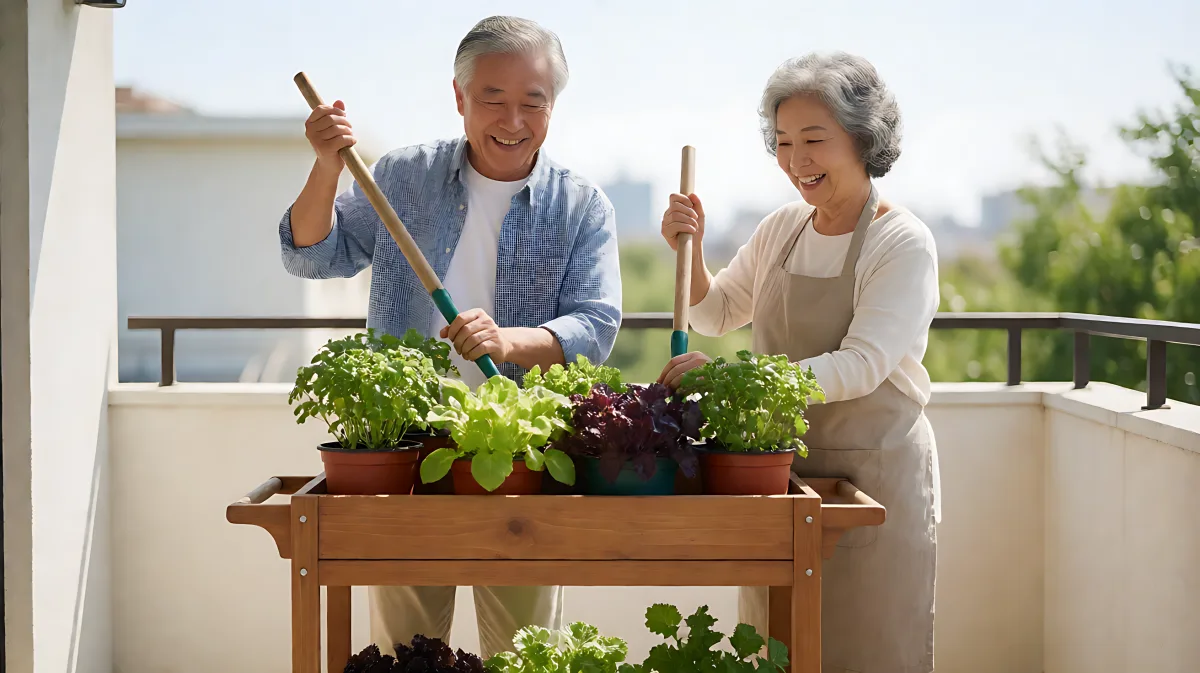
Retiring often brings fixed income challenges, but starting a container vegetable garden can offset grocery bills while protecting your joints. Learn the essential tools and crops needed to begin.
Retiring on a fixed pension often requires managing household budgets carefully. Starting a container vegetable garden is a practical way to reduce grocery expenses and improve physical health. By using ergonomic tools and compact plants, you can grow fresh produce in small spaces without straining your joints.
Why container gardening suits retirees on a pension
Many seniors assume that gardening requires large, expensive plots of land and heavy equipment. In fact, a well-planned container garden can be started for under $50, according to the National Garden Bureau. This low barrier to entry makes it ideal for those living on social security or private pensions. You control the soil quality, the watering schedule, and the plant selection. For apartment dwellers, this method bypasses the need for outdoor soil entirely, allowing you to grow food on a balcony, patio, or even a sunny windowsill.
What health benefits does container growing provide?
The physical demands of traditional in-ground gardening often lead to back pain and knee issues. A study published in Clinical Rheumatology found that gardeners who used adaptive methods had a 29% lower risk of frequent knee pain. Container gardening allows you to keep plants at waist height, which is the ergonomic sweet spot. You can use a rolling cart to move plants to follow the sun, eliminating the need to bend down. This active lifestyle also boosts cognitive health, helping to maintain memory and problem-solving skills as you age.
Essential ergonomic tools for joint-friendly gardening
You do not need to buy the most expensive gear to start. However, two specific tools can make the difference between a painful hobby and a manageable routine. The goal is to minimize hand strain and protect your lower back.
- The Auger Drill Bit: Mixing potting soil by hand can cause significant wrist pain for those with arthritis. An auger bit attached to a standard power drill mixes soil in seconds. It also creates drainage holes in plastic pots, preventing root rot. Look for a 3-inch or 4-inch spiral bit with a hex shaft.
- Long-Handled Planters: These look like long sticks with a claw at the end. You stand upright and squeeze the handle to open and close the claw. This allows you to transplant seedlings and turn soil without crouching. Choose lightweight aluminum or fiberglass handles with a cushioned grip to avoid arm fatigue.
- Wheeled Garden Caddy: Instead of hauling heavy pots, use a caddy with casters. This allows you to roll your entire garden to a shaded area during heatwaves or into a garage during frost.
How to set up your first container vegetable garden
Setting up your garden requires attention to sunlight, weight limits, and water access. Balconies have weight restrictions, so use lightweight fabric grow bags or plastic pots. These materials breathe and are easy to store. Position your containers on a sturdy table or cart at waist height. Aim for six hours of direct sunlight for leafy greens like lettuce, and eight hours for fruiting vegetables like tomatoes.
Watering is a common pain point. Heavy watering cans can strain your shoulders. Instead, install a simple drip irrigation kit. This delivers water directly to the soil and can be connected to a timer, making the process hands-off. For a budget-friendly start, a lightweight trigger nozzle attached to a short hose is a viable alternative.
Which vegetables grow best in small pots?
Not all vegetables are suited for container life. Choose compact varieties bred for small spaces. Here is a reliable list for beginners:
- Cherry Tomatoes: Varieties like 'Patio' or 'Tumbling Tom' thrive in 5-gallon (20-liter) pots. They do not need heavy staking if you use a wire cage.
- Leaf Lettuce: 'Black Seeded Simpson' is a cut-and-come-again variety that grows quickly in shallow pots. Harvest by snipping leaves with scissors.
- Bush Beans: Varieties like 'Provider' or 'Contender' grow well in 2-gallon (9-liter) pots and do not require trellising.
- Herbs: Basil, parsley, and chives are perfect for small windowsill pots. They provide fresh flavor for cooking and take up very little space.
How to maintain your garden without strain
Maintaining the garden is where many beginners fail. The key is consistency and ergonomics. Start your session with a two-minute warm-up of your hands and wrists. Rotate your wrists and open and close your fists to improve circulation. Use a garden stool with a backrest for tasks like pruning. Keep your knees bent at 90 degrees and your back straight. Take a break every 15 minutes. Set a timer to remind yourself to stretch. This prevents cumulative strain on your joints.
Common mistakes to avoid
Many families assume that container plants require constant deep watering. In fact, overwatering is the number one killer of container vegetables. It leads to waterlogged roots and rot. Instead of flooding the soil, use a moisture meter or check the top inch of soil before watering. Another misconception is that you need expensive soil amendments. A high-quality commercial potting mix is usually sufficient. Adding compost can improve retention, but avoid heavy garden soil which compacts in pots and blocks drainage.
Can I grow vegetables year-round in a container?
In many climates, you can extend the season by moving pots indoors. During winter, you can grow herbs like mint, chives, and bay leaves on a sunny windowsill. For fruiting plants like peppers, you may need a grow light. Using a timer for your lights ensures consistent exposure. This indoor phase allows you to continue harvesting fresh produce even when outdoor temperatures are too low for growth.
How much does it cost to maintain a small container garden?
After the initial setup, costs are minimal. You only need to replenish soil and buy seeds. The National Garden Bureau notes that container gardens require significantly less fertilizer and water than in-ground beds. You can grow the equivalent of $200 in fresh herbs and vegetables for just a few dollars in supplies. This makes it one of the highest return-on-investment hobbies for retirees on a fixed income.
What if I have limited mobility or use a wheelchair?
Container gardening is highly accessible. Use a wheeled caddy to bring plants to you. Place pots on a table at a comfortable height. Use a wheelchair-accessible planter box if you prefer a stationary setup. The long-handled tools described above are designed for standing users, but many can be adapted or shortened for seated users. The flexibility of containers means the garden comes to you, not the other way around.