Fixing Benefit Claim Errors: A Guide to Overpayment Resolution
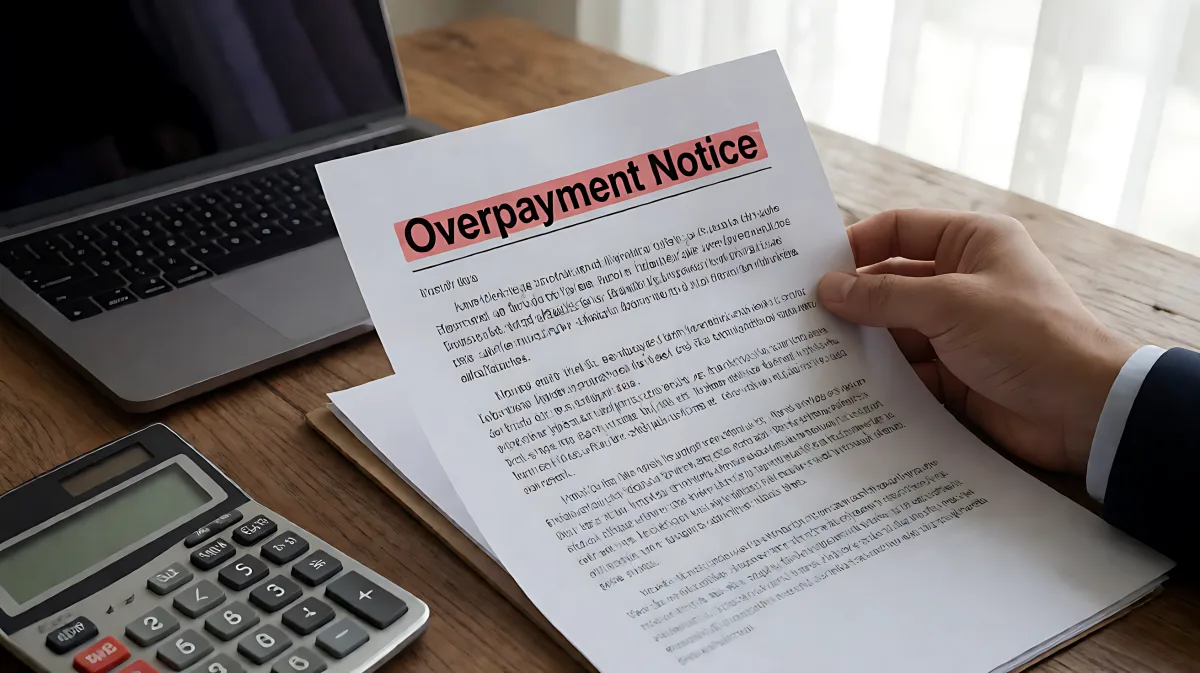
Benefit claim errors often lead to overpayments. Discover the specific steps to repay, request a waiver, or appeal these debts, and learn how to prevent future issues by reporting life changes promptly.
If you receive a notice stating that you were overpaid on government benefits, you have specific options to repay the debt, request a waiver, or appeal the amount. The U.S. Social Security Administration (SSA) requires you to respond within 30 days to avoid automatic withholding of your future payments. Overpayments typically result from missing or incorrect information regarding your income, marital status, or living situation.
Why do benefit claim errors occur?
Processing errors in benefit claims are often not intentional fraud but rather administrative mismatches. These errors happen when the data the agency holds does not match your current life circumstances. For instance, if you start working but fail to report your new income, or if you change your marital status without notifying the SSA, the system may continue to calculate your benefit at a higher rate than you are entitled to receive.
The specific reasons vary by benefit type. Retirement benefits, for example, may require reporting changes in employment earnings, while Supplemental Security Income (SSI) recipients must report changes in their monthly income, resources, and living arrangements. Disability and Survivor benefits have their own specific reporting requirements, such as changes in your ability to work or household composition. The notice you receive will explicitly state which piece of information was wrong or missing.
What are your options for resolving an overpayment?
Once you confirm the overpayment amount is accurate, you have two primary paths: repaying the debt or requesting a waiver. You can make a direct payment to the SSA to clear the debt, which is the fastest way to resolve the issue without further interaction.
However, if you cannot afford to repay the full amount, or if you believe the error was not your fault, you may apply for a waiver. A waiver is a request to have some or all of the overpayment forgiven. This is most common in cases where the agency’s own processing error caused the overpayment, or where repaying the money would cause financial hardship. You do not have to pay the full amount if you successfully argue that it is unfair or unaffordable.
When should you file an appeal?
If you disagree with the calculation of the overpayment, or if you believe you were not actually overpaid at all, you should file an appeal rather than a waiver. An appeal challenges the decision itself. For example, if the notice states you were overpaid by $1,200, but your records show you were only overpaid by $500, an appeal is the correct administrative action. It is crucial to distinguish between a waiver (asking for forgiveness) and an appeal (asking for the decision to be changed).
What happens if you ignore the overpayment notice?
The SSA has strict timelines for collection. They will wait at least 30 days after sending the notice before starting to collect. If you do not pay back the amount and do not request a waiver or appeal within this 30-day window, the agency will automatically withhold 50% of your monthly benefit payments or 10% of your SSI payment each month until the debt is cleared.
For those who no longer receive benefits, the law allows the SSA to collect debts through various other methods, such as withholding federal tax refunds, garnishing wages, or withholding certain state payments. In extreme cases, if you pass away before fully repaying an overpayment, the SSA may seek repayment from any survivor who receives benefits based on your record.
How can you prevent future claim processing errors?
Prevention is the most effective strategy to avoid financial stress from overpayments. You must notify the SSA whenever there is a change in your situation. The specific changes you need to report depend on whether you receive Retirement, Disability, Family, Survivor, or SSI benefits.
<For example, SSI recipients have a high reporting frequency requirement, often needing to report changes in income or living situation almost immediately. In contrast, retirement recipients might only need to report changes when they restart work or when family benefits are affected. Keeping a personal log of these events and notifying the agency promptly is the best way to ensure your claim remains accurate and avoids future debt.
What is the difference between a waiver and an appeal?
A waiver asks the agency to forgive the debt because it would be unfair or cause hardship. An appeal challenges the validity of the overpayment decision itself, arguing that the amount is wrong or that no overpayment occurred at all.
How fast does the SSA respond to waiver requests?
There is no fixed statutory deadline for all waiver decisions, but the agency aims to process them efficiently. You should expect a written decision typically within a few months. During this time, if you filed within the initial 30 days, collection activity is paused.
Can I pay an overpayment in installments?
Yes. If you cannot pay the full amount at once, you can often arrange a repayment plan with the SSA. However, if you do not proactively set up a plan, the SSA will automatically deduct 50% of your monthly benefits to pay down the debt over time.
Do overpayment debts go on credit reports?
Generally, Social Security overpayment debts do not go on consumer credit reports in the same way private debt does, but they can affect your financial stability and lead to tax refund offsets, which indirectly impacts your cash flow.