Mortgage Payoff Calculator: Shorten Your Loan Term
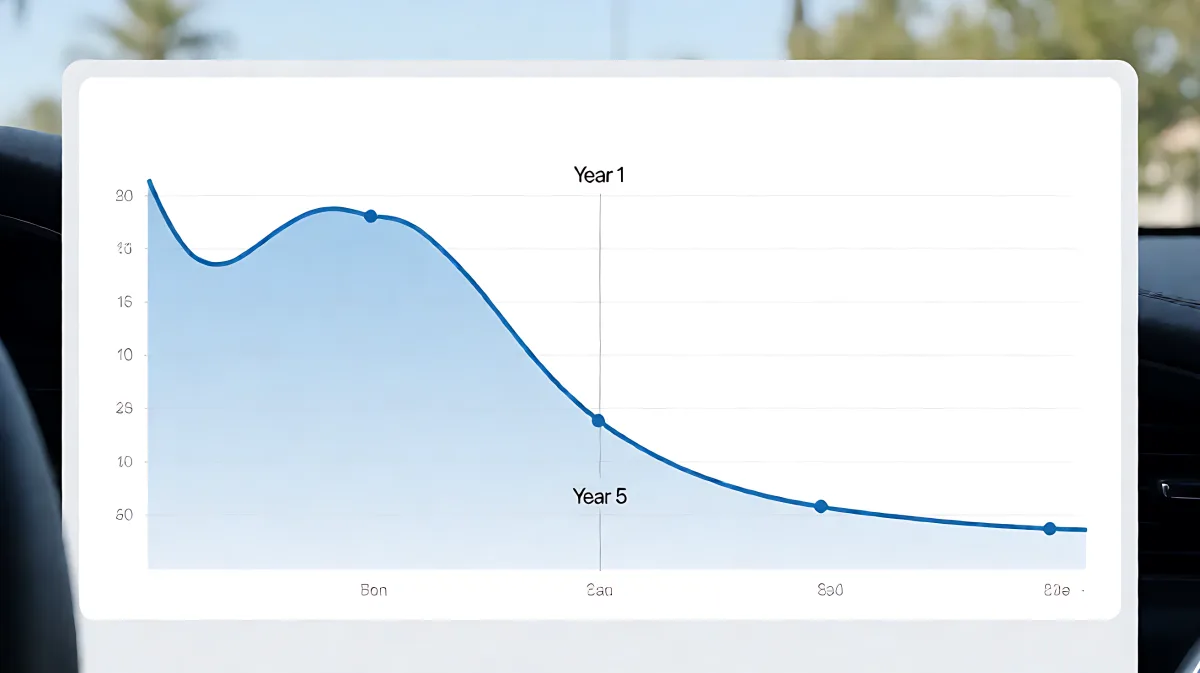
Want to pay off your home faster? Learn how to model your mortgage payoff by adjusting principal payments and understanding the impact on total interest owed.
Calculating your final mortgage payoff date requires analyzing your current principal balance against your remaining term and interest rate. By consistently directing additional funds toward the principal rather than interest, you can significantly compress the loan term. For example, a borrower with a $200,000 balance at a 30-year fixed rate who adds $300 to their monthly payment can save over $64,000 in interest and finish the loan more than 11 years early, according to data from Ramsey Solutions.
How do extra payments change your loan schedule?
Standard mortgage payments are structured so that the majority of your early installments go toward interest. This design means your principal balance decreases slowly at first and accelerates toward the end of the term. When you make an extra payment explicitly designated for principal, you reduce the base amount on which future interest is calculated. This creates a compounding effect: every dollar paid early reduces the interest owed on subsequent months. As of 2025, financial experts note that paying down the principal during the first decade of a 30-year loan offers the highest impact because it lowers the balance you are charged interest on for the remaining twenty years.
What is the difference between principal and interest?
Interest is the cost of borrowing money, while principal is the actual loan amount. Your monthly payment is split between these two. In the early years of a mortgage, a typical 4% interest rate on a $200,000 balance results in a monthly interest charge of approximately $652. The remainder of your payment reduces the principal. If you do not pay extra, the interest portion remains high for a long period. If you pay extra toward the principal, the interest portion drops, allowing a larger share of your next payment to attack the debt.
What steps should you take to maximize interest savings?
To effectively shorten your mortgage term, you must follow a structured approach to ensure your extra funds are applied correctly. Many families assume that simply paying their mortgage two weeks early will automatically apply to principal, but in fact, many lenders default extra funds toward the next scheduled bill, which includes interest. To avoid this, you must explicitly request principal-only application.
- Review your loan documents to confirm whether a prepayment penalty exists. Some lenders charge fees for early payoff, which could negate your savings.
- Set up automatic payments for your base amount and manually pay the extra portion to ensure it is flagged for principal.
- Consider bi-weekly payment schedules, which can result in one extra monthly payment per year without altering your total annual outlay.
- Apply any windfalls, such as tax refunds or bonuses, directly to the principal balance immediately.
According to Bankrate, a borrower with a $400,000 loan at 6% interest who is five years into the term can save more than $35,000 in interest by adding just $100 to their monthly payment. If they increase that extra amount to $150, savings climb to nearly $50,000, and the loan is paid off three years and one month sooner.
How do you model lump sum payments?
Instead of changing your monthly cash flow, you can make large, one-time payments toward the principal. This strategy is often more effective than small monthly additions when you have a significant surplus of cash. A common technique is a mortgage recast, where the lender applies your lump sum payment to the principal and recalculates your monthly payment for the remainder of the loan. While not all lenders offer this option, it can free up cash flow in the future while still taking advantage of the interest savings from the lump sum.
Is it better to pay off the mortgage or invest elsewhere?
Opportunity cost is a critical factor in mortgage payoff planning. If your mortgage interest rate is lower than the average return on your investments, such as the stock market, keeping the money invested may be more financially advantageous. Conversely, if you carry high-interest debt like credit cards, paying that off first is usually the smartest move. Many homeowners believe that paying off the house is the only goal, but in fact, it can be part of a broader wealth-building strategy that includes maintaining liquidity and managing tax-advantaged accounts.
What common errors ruin payoff calculations?
The most frequent mistake is using the wrong interest rate input. You must use your specific loan rate, not the APR, which includes fees and insurance. Using the APR will overstate your interest costs. Additionally, ignoring the timing of payments can skew results. Interest is calculated daily in many loans, so the exact date of your payment matters. Finally, some calculators do not account for changes in insurance or property taxes, which can shift your total monthly outlay even if the principal and interest portion remains stable.
| Payment Strategy | Typical Interest Savings | Term Reduction |
|---|---|---|
| +$100/month | Approx. $35,000 | 2 years, 2 months |
| +$300/month | Over $64,000 | 11 years |
| +$1,000/month | Nearly $156,000 | 16 years |
FAQ
Do all lenders allow extra principal payments?
Most lenders allow extra payments, but policies vary. Some prohibit more than a certain percentage of the balance being paid off per year, while others have no restrictions. It is essential to read your note or contract to understand the specific rules for your loan.
How quickly will I see a difference in my monthly payment?
Extra payments do not typically lower your monthly payment unless you refinance or recast the loan. The benefit is a faster payoff date and lower total interest paid. Your scheduled payment remains the same until the loan is fully satisfied.
Is there a penalty for paying off my mortgage early?
Prepayment penalties are less common today but still exist in some subprime or investor-backed loans. If your loan has a penalty, it is usually a percentage of the outstanding balance or a number of months' interest. Check your documents before making a large lump-sum payment.
Should I switch to a 15-year mortgage instead of paying extra?
Refinancing to a 15-year term lowers the interest rate and total interest paid but increases your required monthly payment. Paying extra on a 30-year mortgage offers flexibility, as you can stop the extra payments if your financial situation changes. A 15-year mortgage is a fixed commitment to a higher payment.