Probiotic Cleaning: Replace Harsh Chemicals with Bacteria
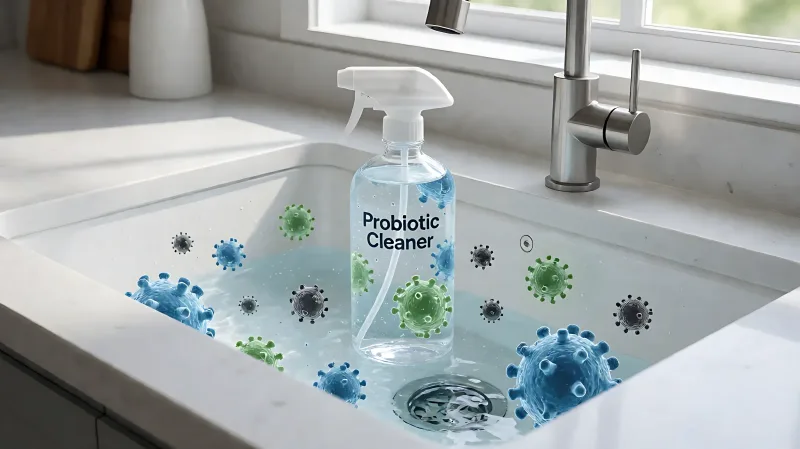
Instead of using harsh chemicals, some cleaners use specific strains of bacteria to outcompete bad germs and break down waste. This guide explores the science and practical limits of using probiotics for your home.
Probiotic cleaning relies on introducing specific, harmless strains of beneficial bacteria into your home to outcompete bad germs and break down organic waste. Instead of using volatile chemicals, these living organisms act like a microscopic workforce to digest mold spores and neutralize odors.
How does probiotic cleaning actually work?
The concept is relatively straightforward. Traditional cleaning methods usually rely on harsh chemicals or strong sanitizers that kill germs on contact. However, these chemicals can sometimes do more harm than good by destroying the entire microbial balance of a surface. Once the chemical evaporation is complete, the surface is just a stark stage where new, unwanted bacteria can easily move in. A probiotic approach changes the dynamic. You apply a formula that contains multiple species of helpful bacteria, such as Lactobacillus and Bacillus subtilis.
These helpful microorganisms colonize the surface and compete for the available food, which is the organic matter you want to get rid of. As they feed, they produce acidic byproducts that effectively digest mold, break down stubborn dirt, and stop the release of unpleasant odors. It's less like scrubbing a stain and more like introducing a beneficial flock of goats to clear the weeds in a garden.
Is using bacteria to clean a safe idea for my house?
You might be wondering if it is safe to spray bacteria around your home. These commercial probiotic formulas use well-studied, non-pathogenic strains that are typically safe for human and pet contact. However, "safe" doesn't mean it is a replacement for traditional cleaning on a massive scale. For everyday messes like a spilled drink or regular kitchen food prep, water and dish soap are still the most efficient tools. Probiotic cleaning is best treated as a maintenance routine, not a one-time rescue mission.
Where is this method most effective?
Because these bacteria feed on organic matter, probiotic cleaning is highly effective in specific, high-humidity, or odor-prone areas of a home. Think of the drains where food particles and organic waste accumulate, or the floors of the pet area where accidents may happen. When you spray a probiotic blend into a drain, the bacteria start working on the grease and sludge. Over a period of a few days, the breakdown continues to happen as a natural process.
For the living room, bathroom, and bedrooms, a quick sweep of a standard disinfectant or a good enzyme cleaner is still highly preferred for immediate sanitation. If you are dealing with mold, which is a fungus and not a bacterium, you need to address the underlying source of the moisture first. Probiotic cleaners might help stop the spread, but they will not fix a plumbing leak.
Are probiotic cleaners better for the environment?
One of the major selling points for this type of sanitation is environmental impact. When you use standard harsh chemicals, the runoff from your sink often makes its way to local water treatment facilities, where these substances can be difficult to break down. By using living bacteria, the end result of the cleaning process is mostly water, carbon dioxide, and benign organic byproducts, which are much more biodegradable.
What does the science say about home microbiomes?
To understand this method, it helps to know that no surface, including your own skin, is completely devoid of microbes. In a study published in the journal Microbiome, researchers at the National Center for Biotechnology Information identified thousands of previously unknown virus populations in the human gut. This is a huge scientific revelation that helps us understand how deeply interconnected microbial systems are. Researchers in this study focused on finding double-stranded DNA phages—viruses that specifically infect bacteria—to better understand the human microbiome. It is not just a simple "good versus bad" fight, but a whole complex ecosystem.
Scientists have found that maintaining a diverse and healthy microbial community is actually beneficial for overall health. By introducing specific good strains into your environment, you are helping to create a competitive balance that suppresses the growth of the harmful ones. However, applying this knowledge from human physiology to your home is not an exact science. Homes don't have a "gut," so the principles of probiotic application are adapted and not directly proven to work in every household with the same success rate.
What are the limitations of a probiotic approach?
Perhaps the most common frustration with these products is that they are not fast-acting. If you have a spill, a probiotic spray will not make it vanish in five seconds like a chemical solvent. It takes time for the bacteria to feed. Additionally, extreme temperatures can affect their viability. If you are using a product on a hot summer patio, the heat might harm the bacteria you just put there. Similarly, if you use it immediately after applying a standard bleach solution, the bleach will neutralize the probiotic formula, rendering it completely useless.
| Cleaning Method | Primary Mechanism | Effectiveness | Best For |
|---|---|---|---|
| Harsh Chemicals (e.g., Bleach, Ammonia) | Chemical oxidation and protein denaturation | Immediate but often requires rinsing; harmful to plastics and skin | Heavy-duty sanitation, visible large mold blooms |
| Probiotic Cleaners | Biological competition and enzymatic digestion | Gradual, highly effective on organic odors; environmentally friendly | Deodorizing drains, pet areas, and long-term maintenance |
| Enzyme Cleaners | Direct catalytic breakdown of specific proteins | Highly targeted; very effective on biological stains | Specific spots, blood, urine, or milk stains |
How should you start using probiotic products at home?
If you are looking to integrate this into your cleaning routine, focus on a few specific tasks. A great place to start is your kitchen sink drain. Once or twice a week, pour a small amount of the probiotic gel or liquid into the drain and let it sit for about 10 to 15 minutes before rinsing with warm water. For pet owners, applying a probiotic odor neutralizer to a crate or a couch cushion after a minor accident is a very practical, low-impact solution.
It is also a good idea to apply it to your garbage disposal before grinding waste, as the beneficial bacteria will begin breaking down the food particles before they make it down the pipe. Remember that this is a living product. You should not store it in the hot back of your oven. Keep it in a cool, dry place to ensure the bacteria stay active until you are ready to use it.
Frequently Asked Questions
Can I mix probiotic cleaners with bleach?
Absolutely not. Bleach is a chemical that is specifically designed to kill microorganisms. If you apply bleach, it will immediately neutralize the beneficial bacteria in the probiotic formula. To get the best results, let the chemical disinfectants dry completely, or wait a few days between using standard cleaning agents and applying a probiotic treatment to your floors or surfaces.
How long before I can tell if the probiotics are working?
You should give it between 24 and 48 hours. Since you are relying on living organisms to go to work, it is not an instant reaction. If the odor or the biological stain is still noticeable after a few days, you may need to apply a conventional enzymatic cleaner to do a targeted clean, and then follow up with the probiotic for maintenance.
Are these products safe for people with allergies?
Most commercial probiotic cleaning products are made from safe, non-pathogenic bacterial strains and are generally considered safe for household use. However, as with any new product, it is a good habit to test it on a small, hidden area first, especially if you or someone in your home has a known hypersensitivity to certain ingredients. For high-contact surfaces, you can always follow up with a quick rinse of water.
Will probiotics kill mold?
They will stop the mold's ability to digest and spread, but a mature, visible mold colony usually requires physical removal and the application of a dedicated fungicide or mold-specific cleaner. The probiotics will then help maintain the surface so the mold has a much harder time returning.