Garden Maintenance Routines To Prevent Falls
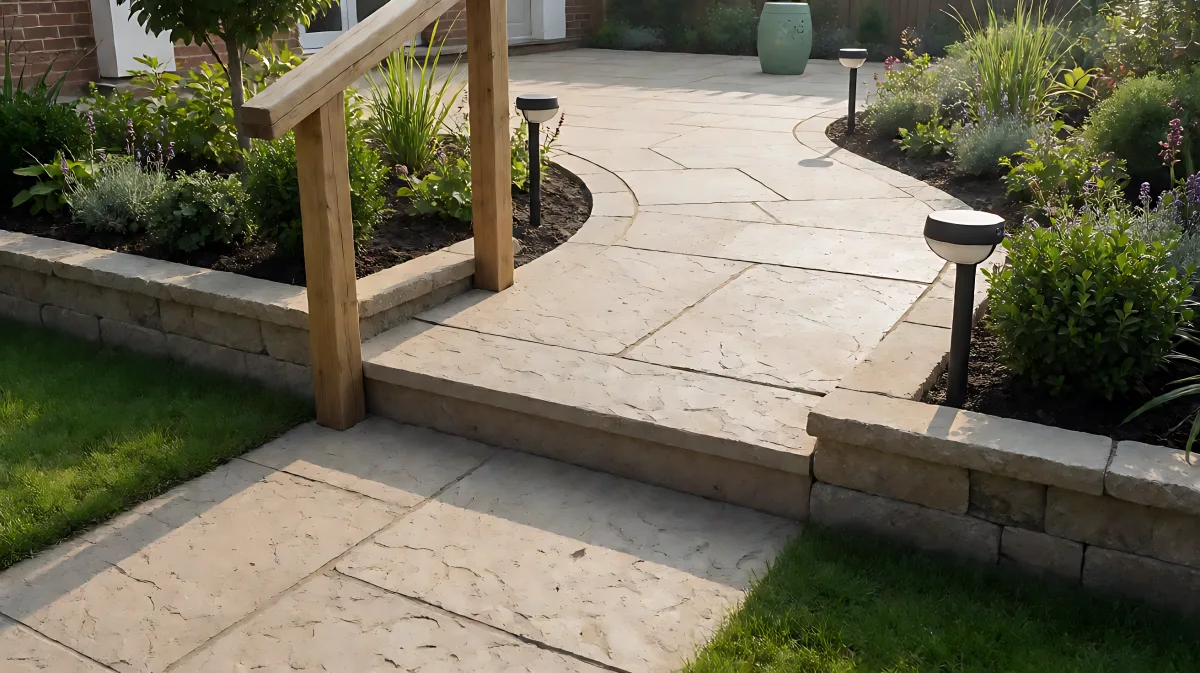
A simple weekly walk-through and seasonal maintenance schedule can significantly reduce the risk of outdoor falls. This guide details the specific checks for paths, lighting, and surfaces that keep your garden safe and accessible.
Regular garden maintenance prevents most outdoor slips and falls by identifying hazards like uneven pavers, trip-causing hoses, and poor lighting before they cause injury. By establishing a consistent weekly inspection routine and performing seasonal upkeep, you can keep walkways clear, surfaces stable, and pathways visible. This approach ensures that garden spaces remain accessible and safe for everyone, particularly those using mobility aids or experiencing age-related balance changes.
Why Do Garden Maintenance Routines Matter for Fall Prevention?
Outdoor spaces are often neglected in fall prevention plans, yet research published in the American Journal of Public Health indicates that approximately 58% of reported falls among older adults occur outdoors. The Centers for Disease Control and Prevention notes that more than one in four adults aged 65 and older falls each year, making the garden a high-risk zone for injury. Unlike indoor environments, gardens are dynamic; soil shifts, vegetation grows, and weather changes create new hazards quickly. A proactive maintenance routine allows you to catch these changes early, ensuring that the ground beneath your feet remains predictable and secure.
How Should You Conduct a Weekly Walk-Through?
You should perform a slow, focused walk-through of your garden once a week, ideally before you begin any gardening activities. This check helps you identify immediate threats that may not be visible during quick glances. Focus on the transition points between the house and the yard, as these areas often contain steep slopes or lighting changes.
- Inspect path width: Ensure all main walking routes are at least 36 inches wide. This space is critical for maintaining a stable gait and allows room for wheelchairs or walkers without brushing into shrubs.
- Check for trip hazards: Look for coiled hoses, loose edging, fallen branches, or overgrown ground cover that extends onto the walking surface.
- Test surface stability: Step on pavers and stones to check for rocking or shifting. Any surface that moves under weight should be reset on a stable base of sand or crushed stone immediately.
- Examine lighting: Turn on pathway lights at dusk to confirm they illuminate the entire route. Shadows can hide depth changes, so ensure there are no dark zones at steps or transitions.
What Common Garden Mistakes Create Slip Hazards?
Many homeowners assume that natural, decorative garden features are safe, but in fact, loose materials and smooth surfaces significantly increase fall risk. For example, loose gravel or deep wood mulch can shift underfoot, making it difficult to maintain balance. Similarly, polished concrete or smooth stone becomes extremely slippery when wet. A common misconception is that a garden hose is a minor obstacle. However, a hose stretched across a path is one of the most frequent causes of outdoor trips. To correct this, use a retractable hose reel or route hoses under raised beds so they are never visible or accessible from the main walkway.
How Can You Improve Surface Traction Safely?
Replacing slippery or unstable surfaces is a key maintenance task. Consider swapping small, uneven stepping stones for large, textured pavers with a broom-finish or riven stone texture. These surfaces provide better grip when wet. If you have existing concrete paths, you can apply non-slip coatings or adhesive grip strips designed for outdoor use. Additionally, ensure proper drainage by keeping the center of your path slightly higher than the edges. This crowns the surface so water runs off instead of pooling, preventing the growth of moss and algae, which are even more slippery than standing water.
What Maintenance Tasks Should You Perform Seasonally?
Seasonal changes alter the risks in your garden. A routine that works in spring may need adjustments in autumn. In the spring, focus on clearing debris and checking for frost heave, which can lift pavers and create uneven steps. In autumn, the priority shifts to leaf removal. Wet leaves are a major slip hazard because they are slick and heavy. Create a schedule to rake leaves from walkways daily during peak season. Do not let leaves accumulate on paths or steps. If you have steps, ensure that handrails are clear of vegetation and that the rail itself is firmly anchored. A wobbly handrail provides no support and can actually increase the risk of a fall. Use powder-coated aluminum or treated wood for outdoor rails, as these materials do not become overly hot in the sun or slippery in the rain.
How Do You Maintain Lighting and Visibility?
Lighting is not just about brightness; it is about consistency. Maintain your motion-activated sensors and solar lights by cleaning lenses and replacing batteries according to the manufacturer’s schedule. Poor lighting at dusk is a leading cause of outdoor falls because it hides obstacles and changes in elevation. Use contrasting colors to mark transitions, such as painting a white strip on the edge of a step or using a different colored paver at the start of a slope. This visual cue helps your brain process the change in terrain, reducing the chance of a stumble.
How Can You Safely Store Tools and Furniture?
Disorganization in the garden creates clutter, which creates trip hazards. A dedicated maintenance routine for storage can keep your paths clear. Store tools on a wall rack, shelf, or workbench rather than leaving them on the ground. Use a garden cart for moving heavy items instead of carrying them, which can throw off your balance. If you have garden furniture, ensure it is heavy and stable. Lightweight plastic chairs can tip over if you lean on them for support. Choose wrought iron, teak, or weighted furniture for seating. A stable garden stool with a firm base is essential for rest periods, especially if you are using raised beds. Position the stool so you do not have to twist or step backward to sit, which can be risky on uneven ground.
| Maintenance Task | Frequency | Key Action |
|---|---|---|
| Walk-Through Inspection | Weekly | Check for hoses, debris, and rocking pavers. |
| Leaf Removal | Daily (Autumn) | Clear walkways of wet leaves to prevent slipping. |
| Lighting Check | Monthly | Test motion sensors and clean solar panels. |
| Drainage Review | Spring/Autumn | Ensure water flows away from paths; fix low spots. |
| Vegetation Trimming | Bi-Weekly | Trim overgrown plants encroaching on 36-inch paths. |
What Footwear and Clothing Habits Support Safety?
Your gear is part of your maintenance routine. Never walk on garden paths in flip-flops or clogs without a secure heel. These shoes offer no ankle support and can slide off easily on uneven ground. Wear sturdy, lace-up shoes or boots with deep treads and firm soles. During maintenance, also check your clothing for fit. Loose trousers can get caught on edging or low branches. Well-fitting clothes and proper footwear reduce the physical risk of tripping and slipping. Hydration and breaks are also maintenance habits for your body. Fatigue leads to poor balance, so schedule five-minute breaks every 30 minutes of gardening to keep your mind sharp and your movements precise.
Frequently Asked Questions
How wide should garden paths be to prevent falls?
Garden paths should be at least 36 inches wide. This width provides enough space for a stable gait and allows room for assistive devices like walkers or wheelchairs. It also prevents you from stepping onto soft soil or overhanging vegetation if you lose your balance momentarily.
What is the best material for slip-resistant garden pavers?
Textured natural stone with a riven or cleft surface, or broom-finished concrete, are the best options. These materials provide grip even when wet. Avoid polished stone or smooth concrete, as they become slippery when damp. Ensure all pavers are set firmly into a base of sand or crushed stone to prevent shifting.
How often should I inspect my garden for trip hazards?
You should conduct a full walk-through inspection at least once a week. During peak leaf fall in autumn, check your paths daily to remove wet leaves, which are a significant slip hazard. A regular weekly check ensures that hoses, tools, and overgrown plants are cleared from the main routes before they cause an accident.
Can raised garden beds help prevent falls?
Yes, raised beds can help by allowing you to garden without kneeling. Kneeling and then standing up can cause a sudden drop in blood pressure, leading to dizziness. However, the path around raised beds must be clear and at least 36 inches wide. Ensure you do not place beds in spots that force you to step backward or twist while carrying soil, as this increases fall risk.
Why is lighting important for outdoor fall prevention?
Lighting helps you see changes in elevation and obstacles like steps, roots, or pools of water. Many falls occur at dusk when shadows hide hazards. Motion-activated lights and well-placed pathway lights ensure that you can see the surface you are walking on. Consistent, glare-free illumination supports confident movement and reduces the likelihood of tripping.