Complete Plant Proteins for Vegetarian Seniors: Guide
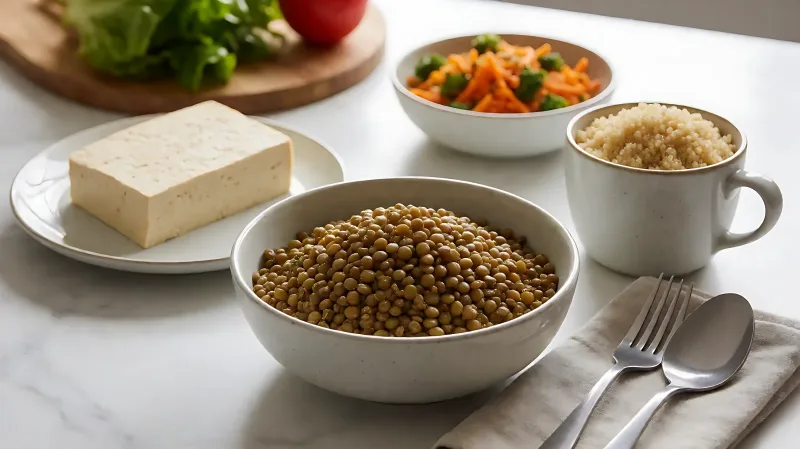
Discover the best complete plant-based protein sources for vegetarian seniors. Learn how to maintain muscle mass with lentils, tofu, and quinoa according to.
Plant-based complete proteins are available in foods like quinoa, soybeans, and chia seeds, offering essential amino acids without animal products. For vegetarian seniors, combining these sources with legumes and nuts ensures muscle maintenance. The Dietary Guidelines for Americans, 2025–2030, recommends 1.2 to 1.6 grams of protein per kilogram of body weight daily for optimal health. Choosing varied plant sources helps meet this goal safely.
For more information, see NIH Office of Dietary Supplements from the National Institutes of Health.
Why do older adults need extra protein?
Sarcopenia, the age-related loss of skeletal muscle mass, accelerates in the 60s and 70s. The National Academy of Medicine notes that protein needs increase as we age to support muscle repair and immune function. While the standard recommendation is 0.8 grams per kilogram, many geriatric nutritionists suggest higher intakes to preserve strength. Protein builds blocks of muscle, enzymes, and hormones. Without sufficient intake, seniors face higher risks of falls, bone fractures, and chronic disease complications. Plant-based diets can meet these needs if structured correctly to include all nine essential amino acids that the body cannot produce on its own.
What makes a protein source "complete"?
Complete proteins contain all nine essential amino acids in ratios the body can use. Animal foods are naturally complete. In plants, few are complete on their own. However, scientific literature identifies several plant sources that provide the full spectrum. Quinoa, a seed rather than a grain, contains all essential amino acids. Soybeans, the basis for tofu and tempeh, are another complete source. Chia seeds and hemp seeds also offer complete profiles. Understanding this helps vegetarians plan meals that do not rely solely on combining grains and legumes every day, though that combination remains a classic strategy for ensuring balance.
Which plant foods offer the best protein density?
Senior dietary plans benefit from high-quality, low-sodium options. Here are top sources with approximate protein values per serving:
- Chickpeas: One cup of cooked chickpeas provides about 15 grams of protein. They are also rich in fiber, which supports digestive health in older adults.
- Tofu: A half-cup of firm tofu contains roughly 9 to 12 grams of protein depending on the brand and water content. Tofu is easy to digest and often fortified with calcium, a critical nutrient for seniors.
- Lentils: Half a cup of cooked lentils offers 9 grams of protein. They are inexpensive and high in folate, which supports cognitive health.
- Quinoa: One cup of cooked quinoa provides 8 grams of protein. It is a low-GI carbohydrate source, helping stabilize blood sugar levels.
- Almonds: One ounce (about 23 kernels) has 6 grams of protein. The healthy fats help with satiety and heart health.
Combining these foods throughout the day ensures a steady supply of amino acids.
How do I meet daily protein goals without supplements?
Supplements like protein powder can be convenient, but they are not required if food intake is adequate. The U.S. Food and Drug Administration does not regulate protein powders as strictly as foods, so seniors should check for added sugars or allergens. Whole foods come with "nutrient packages" that include fiber, vitamins, and minerals. A study published in the journal American Journal of Clinical Nutrition found that diets rich in legumes and nuts were associated with lower cardiovascular mortality in older populations. To hit 1.2 grams per kilogram, a 150-pound senior needs about 82 grams of protein. This can be achieved with three servings of lentils, one serving of tofu, and two servings of quinoa or nuts distributed across meals.
What role does hydration play in protein digestion?
Seniors often have decreased thirst sensation, leading to mild dehydration. Adequate water intake is necessary for the kidney and liver to process nitrogen from protein metabolism. The CDC advises older adults to monitor fluid intake, especially when consuming high-fiber plant proteins, to prevent constipation. Pairing protein-rich meals with water or herbal tea supports digestive efficiency.
Are there risks to high protein diets in seniors?
For healthy kidneys, high plant-based protein is generally safe and may even protect renal function by reducing pressure on the kidneys. Unlike animal protein, plant protein does not lower the glomerular filtration rate, a measure of kidney health. However, individuals with stage 3 or 4 chronic kidney disease should consult a registered dietitian before increasing protein intake. The source of protein matters more than the amount for kidney patients. Plant-based proteins are preferred due to lower phosphorus and potassium loads compared to animal sources.
How to plan a weekly vegetarian menu for seniors?
Meal planning ensures variety and nutrient balance. A sample day might look like this: Breakfast with 3/4 cup of cooked quinoa and 1/4 cup of chia seeds; Lunch with a bowl of lentil soup containing 1/2 cup of cooked lentils and a handful of spinach; Dinner with 4 ounces of baked tofu stir-fried with vegetables and 1/2 cup of chickpeas; Snacks with 1 ounce of almonds. This pattern repeats with variations using tempeh, black beans, and hemp hearts. This approach provides approximately 60 to 90 grams of protein daily, meeting or exceeding the recommended range for most seniors.
Frequently Asked Questions
Is peanut butter a complete protein source?
Peanut butter is not a complete protein on its own as it lacks lysine, but it is high in protein and healthy fats. Pairing it with whole grains or dairy alternatives that contain lysine creates a balanced amino acid profile for seniors.
How much protein does an average senior need per day?
Most healthy seniors need between 0.8 and 1.2 grams of protein per kilogram of body weight daily. For those recovering from illness or exercising, the requirement may rise to 1.6 grams per kilogram. A 120-pound individual should aim for at least 48 grams of protein daily.
Do plant proteins digest slower than animal proteins?
Plant proteins are digested more slowly than animal proteins, which can lead to a more sustained release of amino acids into the bloodstream. This slower digestion can help prevent blood sugar spikes and support satiety throughout the day.
Can vegans get enough protein without combining foods at every meal?
Yes. Modern dietary science shows that combining foods is not strictly necessary for every single meal. As long as a varied diet is consumed over the course of the day, or across two or three days, the body will store and use the necessary amino acids. However, consistent variety is key for optimal health.
What are the best high-protein snacks for older adults?
High-protein snacks that are easy to eat include hummus with whole-grain crackers, a handful of edamame, Greek yogurt if lactose is tolerated, or protein smoothies made with soy milk and spinach. These options provide 5 to 10 grams of protein per serving without being too bulky for those with dental or swallowing issues.