Senior Chronic Pain Management Without Opioids: Safe Alternatives
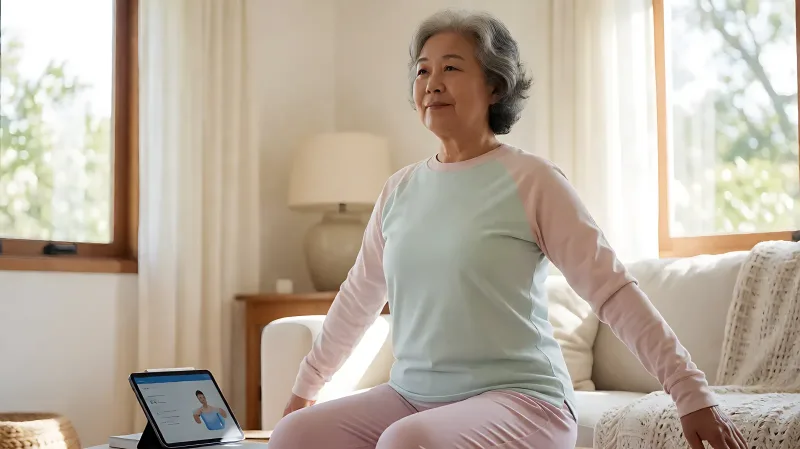
Explore safe, effective alternatives to opioids for senior chronic pain management. Learn how physical therapy, exercise, and mind-body practices improve function and reduce risks.
According to the Centers for Disease Control and Prevention, non-opioid therapies are the preferred first line of defense for chronic pain. For seniors, maximizing non-pharmacologic treatments like physical therapy and mind-body practices can significantly reduce pain and functional limitations without the serious risks associated with opioid use.
For more information, see MedlinePlus medical encyclopedia from the National Library of Medicine.
Living with chronic pain can be isolating and frightening, especially when medications feel like the only option. However, recent clinical guidelines emphasize that many conditions respond well to structured movement, education, and behavioral strategies. This approach not only manages symptoms but also protects overall health by avoiding the cognitive and physiological side effects often seen in older adults.
Why Avoid Opioids for Chronic Pain in Older Adults?
The risk-benefit profile of opioids changes dramatically as we age. While these medications can provide short-term relief, they carry significant dangers for seniors, including increased fall risk, respiratory depression, and cognitive impairment. The CDC has consistently advised clinicians to minimize opioid use for subacute and chronic conditions unless the benefits clearly outweigh the risks. Furthermore, tolerance develops quickly, leading to higher doses and greater likelihood of dependence.
Specifically, the CDC’s latest Clinical Practice Guideline for Prescribing Opioids for Pain highlights that nonopioid therapies do not carry the same risks of overdose or addiction. For older adults, preserving mental clarity and balance is crucial. By prioritizing non-pharmacologic methods, patients can maintain independence and reduce the burden on their healthcare systems.
How Does Physical Therapy Help Manage Chronic Pain?
Physical therapy is a cornerstone of non-opioid pain management. It moves beyond simple pain relief to address the underlying functional limitations. Research published in JAMA Network Open found that patients who started physical therapy within three months of a musculoskeletal diagnosis were significantly less likely to require opioid prescriptions in the following months. Specifically, early intervention was associated with an 89 percent reduction in the likelihood of getting an opioid script.
For seniors, physical therapy focuses on three key pillars:
- Manual Therapy: Hands-on techniques like joint mobilization and soft tissue massage help reduce stiffness and improve range of motion. This can be particularly helpful for arthritic joints that have become inflamed.
- Progressive Movement: Patients gradually increase activity levels at their own pace. This prevents deconditioning and helps rebuild strength without causing flare-ups.
- Pain Education: Understanding the mechanism of pain reduces fear and anxiety. Many seniors believe pain always means damage, but modern rehab focuses on the nervous system’s role in pain perception.
This comprehensive approach not only improves physical function but also reduces healthcare costs. A study cited by Brown University Health noted that early physical therapy was linked to a nearly 30 percent decrease in the use of advanced diagnostic imaging and a 15 percent drop in emergency department visits.
What Other Non-Drug Strategies Are Effective?
While physical therapy is critical, it works best when combined with other non-pharmacologic modalities. The CDC lists several effective options that seniors can integrate into their daily routines.
- Mind-Body Practices: Yoga, tai chi, and qigong have been shown to reduce pain intensity and improve quality of life. These gentle movements are safer for joints than high-impact aerobics and also promote mental well-being.
- Cognitive Behavioral Therapy (CBT): This psychological approach helps patients change the way they think and feel about their pain. It reduces the emotional distress associated with chronic conditions, which can amplify physical sensations.
- Mindfulness and Meditation: Techniques like mindfulness-based stress reduction can lower the body’s stress response, which often exacerbates muscle tension and pain.
- Acupuncture and Massage: These traditional therapies are widely used to manage myofascial pain and trigger points.
Exercise, in particular, offers dual benefits. Regular physical activity can prevent or reduce symptoms of depression, a common comorbidity in chronic pain patients. For those with limited access to gyms, low-cost group aerobics or home-based resistance training can be as effective as individual physical therapy for conditions like low back pain.
Which Non-Opioid Medications Are Safe Options?
If non-pharmacologic methods are not enough, certain non-opioid medications may be appropriate. However, seniors must use caution. The CDC notes that nonopioid medications carry their own risks, particularly for those with kidney, heart, or liver conditions.
- NSAIDs: Nonsteroidal anti-inflammatory drugs like ibuprofen and naproxen can be effective but should be used cautiously. Long-term use can damage the kidneys and stomach lining. Topical NSAIDs may offer localized relief with fewer systemic side effects.
- Acetaminophen: While generally safer for the stomach, it must be dosed carefully to avoid liver damage. Seniors should stick to lower doses unless directed otherwise by a doctor.
- Antidepressants and Anticonvulsants: Medications like gabapentin or certain antidepressants are sometimes used for nerve pain. These require careful monitoring as they can cause dizziness or drowsiness, increasing fall risk.
- Topical Treatments: Capsaicin and lidocaine patches can provide targeted relief for localized pain without affecting the rest of the body.
Always consult a healthcare provider before starting new medications. A thorough review of all current prescriptions is essential to prevent dangerous interactions.
How Can You Find Affordable Care?
Access to physical therapy and behavioral health can be a financial barrier. Many seniors worry about out-of-pocket costs, especially if their insurance does not fully cover these services. The CDC encourages clinicians to connect patients with low-cost community resources. For example, community centers, senior organizations, and YMCAs often offer group exercise classes that are far more affordable than private therapy sessions.
Additionally, some insurance plans cover a limited number of physical therapy visits per year. It is important to track usage and ask for pre-authorization if necessary. Telehealth options have also expanded, allowing patients to consult with therapists and psychologists from home, which can be beneficial for those with mobility issues.
Frequently Asked Questions
Is physical therapy really effective for chronic pain?
Yes. Multiple studies, including those referenced by the CDC, show that physical therapy improves function and reduces pain. Early intervention significantly lowers the chance of long-term opioid use and decreases the need for emergency care.
What is the safest non-opioid medication for seniors?
There is no single 'safest' medication for everyone. Acetaminophen and topical NSAIDs are often used, but safety depends on kidney and liver health. A doctor must evaluate your specific medical history to determine the best option.
Can I learn these exercises without a therapist?
While some exercises can be found online, it is safest to start with a professional. A physical therapist can customize a program to your specific condition and ensure you are performing movements correctly to avoid injury.
How long does it take to see results from non-opioid therapy?
Results vary, but many patients notice improvements in pain and mobility within six to eight weeks of consistent physical therapy and exercise. It is a gradual process that requires patience and persistence.