Parkinson's Daily Management: Meds, Symptoms, Care
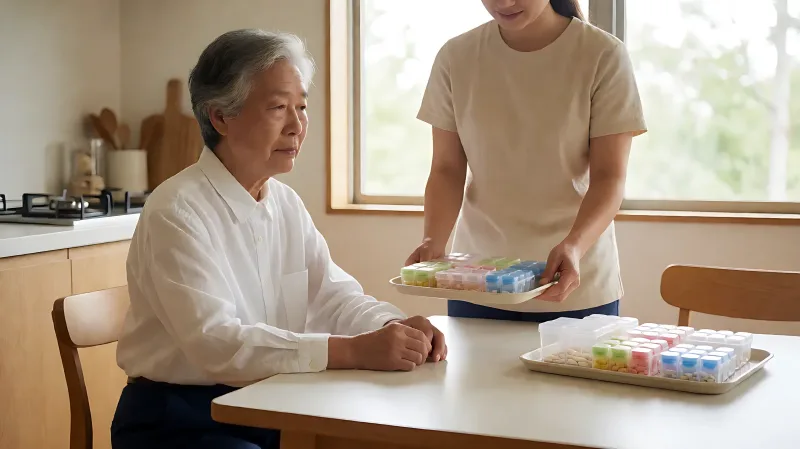
Discover how to manage Parkinson's disease at home with precise medication timing, daily symptom tracking, and practical caregiver strategies to maintain independence and safety.
Effective daily management of Parkinson’s disease centers on strict medication timing, proactive symptom monitoring, and adaptable home safety measures. According to the Cleveland Clinic, this progressive condition affects movement by depleting dopamine, causing tremors and stiffness that worsen over time. Success depends on maintaining a consistent routine to minimize "off" periods, where symptoms return. This guide outlines how to structure daily care, track changes, and support loved ones through the evolving stages of the disease.
For more information, see MedlinePlus Parkinson disease overview from the National Library of Medicine.
What Are the Key Daily Symptoms to Monitor?
Parkinson’s symptoms vary by individual but typically include motor and non-motor issues. The Cleveland Clinic notes that early signs often affect one side of the body first. Common motor symptoms include slowed movement, known as bradykinesia, resting tremors, and muscle rigidity. Non-motor symptoms, which are frequently overlooked, include loss of smell, sleep disturbances like REM sleep behavior disorder, and changes in mood such as depression. Caregivers should maintain a daily log to track the severity of these symptoms. This data helps neurologists adjust treatment plans effectively. The Parkinson’s Foundation emphasizes that nearly 40 percent of patients do not see a neurologist regularly, so consistent home monitoring is critical for accurate medical oversight.
How Do You Handle Medication Timing Precisely?
Medication is the cornerstone of Parkinson’s treatment, but timing is everything. Levodopa-carbidopa, a common medication, works in specific windows. Missing a dose or taking it late can lead to a sudden return of stiffness, often called an "off" period. The Parkinson’s Foundation advises that caregivers should be trained to recognize when medication is wearing off early. For example, if a dose is thirty minutes late, the patient may experience an hour of unnecessary rigidity. Use pill timers or smartphone apps to ensure consistency. Do not skip doses, even if symptoms seem mild. Consistency prevents the "wearing-off" phenomenon and motor fluctuations. Always administer medication with food as directed by the prescribing physician, as protein can sometimes interfere with absorption.
What Is the Difference Between "On" and "Off" States?
"On" states are periods when medication is working and movement is smooth. "Off" states occur when medication levels drop, leading to tremors, freezing episodes, or immobility. The Parkinson’s Foundation suggests that if off periods become frequent, the care team may need to adjust the dosing schedule or add different medications. Caregivers should note the time of day when off periods start. This timeline is invaluable for neurologists when fine-ting the regimen. Avoid assuming that a bad afternoon is just a bad afternoon; it is often a specific medication timing issue that can be fixed.
What Safety Measures Are Essential at Home?
Falls are a major risk due to balance problems and freezing episodes, where feet feel stuck to the floor. The Cleveland Clinic highlights that mobility issues significantly raise the risk of injury. To mitigate this, conduct a home safety assessment. Clear pathways of clutter and add non-slip rugs. Install grab bars in bathrooms and hallways. For patients with swallowing difficulties, which the Cleveland Clinic lists as a common complication, adjust meal textures to prevent choking. Use utensils with larger grips to help those with tremors manage eating. Communication should also be adapted; patients may have soft speech or facial masking, so give them extra time to express themselves without rushing.
How Can Caregivers Manage Burnout and Routine?
Caring for someone with Parkinson’s is a marathon, not a sprint. Specialized training matters more than general caregiving. A Partner in Caring notes that caregivers trained in Parkinson’s-specific techniques can use rhythmic counting or visual cues to help with freezing episodes. Respite care is essential to prevent burnout. Allow scheduled breaks for primary caregivers to recharge. The condition progresses, so what works in the first year may need adjustment by the third year. Maintain open communication with healthcare providers to update the care plan as symptoms evolve. Support groups and resources from organizations like the Parkinson’s Foundation provide emotional backing and practical advice for families navigating these changes.
What Questions Should You Ask Your Doctor?
Regular follow-ups are vital. Ask about the frequency of neurology visits, as the Parkinson’s Foundation recommends specialist care for complex cases. Discuss how to handle sudden changes in symptoms. Ask about clinical trials if suitable. Confirm the signs that indicate a need for medication adjustment. These questions ensure that daily management remains aligned with the broader medical strategy.
How Often Should Care Plans Be Reviewed?
Review care plans quarterly or whenever there is a significant change in symptoms. The Cleveland Clinic states that treatment is personalized and changes over time. Regular reviews allow for the integration of new therapies or adjustments to home safety protocols.
Frequently Asked Questions
What should I do if a dose is missed?
Contact the prescribing physician immediately. Do not double up the dose unless explicitly instructed. Note the time of the missed dose to help adjust the schedule for future doses.
Can food affect Parkinson’s medication?
Yes. High-protein meals can reduce the effectiveness of levodopa. Discuss dietary timing with your doctor to optimize absorption and minimize off periods.
How do I help with freezing episodes?
Use external cues such as stepping over a visual line, listening to rhythmic music, or counting aloud. Do not pull or rush the individual, as this can increase falls risk.
When should I seek emergency care?
Seek immediate help for sudden confusion, severe difficulty breathing, signs of a stroke, or if a fall results in head injury. These may indicate complications unrelated to Parkinson’s progression.