How Seniors Can Recover Their Routine From Chronic Pain
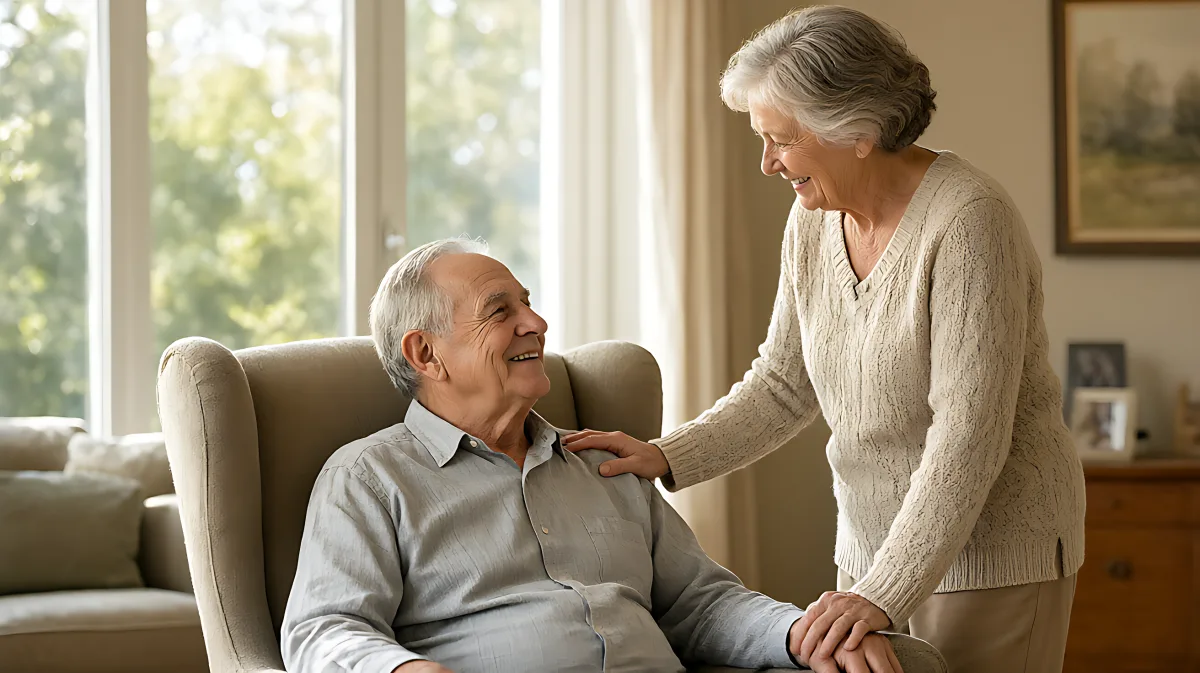
Chronic pain often shatters established routines for seniors, leading to mobility loss and social isolation. This guide offers a structured approach to recover daily life by balancing activity, sleep, and stress management to regain independence and quality of life.
Chronic pain disrupts the daily lives of between 25 and 85 percent of older adults, leading to reduced mobility and sleep issues. To recover, seniors must prioritize a multidisciplinary approach that combines gentle physical activity, structured sleep hygiene, and cognitive self-management strategies to rebuild independence and improve overall quality of life.
Why Routines Collapse During Pain Flare-Ups?
Pain is not just a physical sensation; it is a complex experience that triggers a cascade of secondary effects. When chronic pain persists beyond the normal healing time of three months, it often leads to activity avoidance and deconditioning. Many families assume that total rest is the safest response to pain spikes, but in fact, prolonged inactivity accelerates muscle weakness and increases the risk of falls, further limiting independence.
What Are the Emotional and Social Consequences of Pain Disruption?
The emotional toll of chronic pain is profound. Seniors frequently experience feelings of isolation, frustration, and anxiety as they withdraw from social activities. Studies indicate a strong correlation between persistent pain and mood disorders. Without intervention, this withdrawal can lead to a cycle of loneliness and despair, impacting cognitive function and increasing the likelihood of memory problems.
How to Rebuild a Sustainable Daily Structure
Recovering a daily routine requires a shift from reactive coping to proactive planning. Creating a structured schedule provides a sense of predictability that alleviates anxiety. The key is to balance periods of activity with planned rest, ensuring that energy levels are managed effectively throughout the day.
How Should You Prioritize Activities Based on Energy Levels?
Identify your peak energy windows, typically in the morning or early afternoon, and schedule essential tasks during these times. On days when pain is high, adjust plans by scaling back activities and focusing on small, achievable goals. Celebrating these small victories helps maintain motivation and fosters a sense of accomplishment, even when full function is not possible.
What Non-Pharmacological Strategies Aid Recovery?
Medication is important, but it should be one component of a broader strategy. Non-pharmacological therapies reduce reliance on drugs and address the root causes of discomfort. The National Institute of Health identifies five lifestyle factors that perpetuate chronic pain: stress, physical inactivity, poor sleep, unhealthy diet, and smoking. Addressing these areas is critical for sustainable relief.
Which Gentle Exercises Are Safe for Seniors with Pain?
Regular, low-impact movement strengthens muscles and improves joint flexibility. Suitable activities include walking, swimming, or water aerobics, which reduce joint stress due to buoyancy. Chair yoga and tai chi are also excellent options, focusing on slow, deliberate movements and deep breathing to enhance balance and mindfulness.
- Walking: Start with short durations and gradually increase to improve circulation and mood.
- Water Activities: Ideal for arthritis patients as water supports the body weight.
- Chair Yoga: Focus on slow movements and breathing to reduce muscle tension.
How Can Sleep Hygiene Improve Pain Management?
Quality sleep is essential for pain reduction and overall health. Establish a consistent sleep schedule and create a relaxing bedtime routine. Ensure the sleeping environment is comfortable and free from distractions. Avoid caffeine and electronic screens before bed. Poor sleep exacerbates pain, so optimizing rest is a non-negotiable part of recovery.
What Daily Habits Help Reduce Pain Sensitivity?
Beyond exercise and sleep, small lifestyle adjustments can significantly impact pain levels. Reducing stress through hobbies and social connections helps lower muscle tension and inflammation. Staying hydrated is also crucial; the Mayo Clinic recommends that women drink at least 2.7 liters of water daily and men 3.7 liters to support muscle function. A balanced diet rich in omega-3 fatty acids, such as salmon and flaxseeds, can further reduce inflammation.
How Can Families Support a Senior’s Pain Recovery?
Support networks play a vital role. Encourage open communication about emotional struggles and validate the senior’s experiences. Help them maintain social engagement by joining support groups or scheduling regular visits with friends and family. This social connection combats isolation and improves mental health.
When Is It Time to Consult a Healthcare Professional?
While lifestyle changes are powerful, they should complement medical treatment. Work closely with a healthcare provider to adjust medications, start low and go slow to minimize side effects. Regularly reassess the pain management plan to ensure it remains effective. If depression or anxiety is interfering with daily life, seek professional counseling or therapy as part of the recovery plan.
What Are the Signs That a Routine Is Not Working?
If pain continues to limit independence, sleep remains disrupted, or mood deteriorates despite lifestyle changes, it is time to review the approach with a doctor. Do not hesitate to adjust strategies or seek new interventions. The goal is to empower the senior to take control of their pain and improve their daily experience.
Frequently Asked Questions
How often should a senior with chronic pain exercise?
Experts recommend at least 30 minutes of moderate exercise on most days of the week. However, consistency is more important than intensity. Start with gentle movements and gradually increase the duration as tolerated.
Is it safe to stop taking pain medication if I start exercising?
No, do not stop medication without consulting a healthcare provider. Exercise and other lifestyle changes should be used alongside medication to create a comprehensive pain management plan. Providers can help adjust doses safely over time.
What role does diet play in chronic pain recovery?
A healthy, balanced diet reduces inflammation and supports overall health. Focus on eating a variety of fruits, vegetables, whole grains, and lean proteins. Foods rich in omega-3 fatty acids, such as salmon and flaxseeds, are particularly beneficial for reducing pain levels.
Can social isolation worsen chronic pain?
Yes, social isolation can exacerbate feelings of loneliness and depression, which in turn can increase pain perception. Maintaining social connections through family, friends, or support groups is a key part of a holistic recovery strategy.