Traffic Pollution and Blood Pressure: What Drivers Need to Know
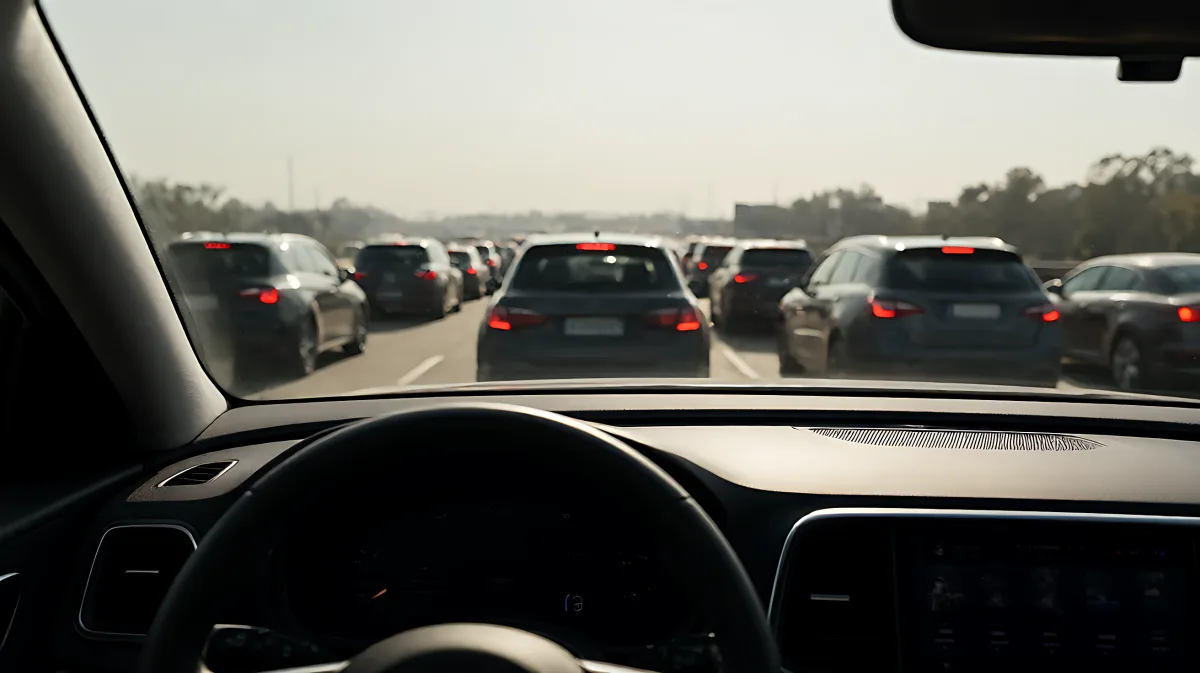
Recent research indicates that breathing unfiltered air during traffic jams significantly raises systolic blood pressure, with effects lasting up to 24 hours. This guide explains the science behind the spike and offers actionable steps for drivers.
Sitting in traffic can spike your blood pressure by 4.5 mm Hg, a surge comparable to the effect of a high-sodium diet, according to research from the University of Washington. This increase peaks about an hour after exposure and can persist for up to 24 hours, primarily caused by inhaling unfiltered air containing ultrafine particles from surrounding vehicles.
Why does sitting in traffic raise blood pressure?
Many drivers assume that the stress of stuck traffic or frustration with other cars is the main driver of blood pressure spikes. In fact, research suggests that the physiological impact comes largely from the air you breathe. A randomized crossover trial published in the Annals of Internal Medicine found that the surge in blood pressure was independent of external stressors like noise or anxiety. Instead, the culprit was traffic-related air pollution (TRAP).
When cars are idling or moving slowly in stop-and-go conditions, they emit concentrated clouds of exhaust fumes. These clouds contain ultrafine particles, black carbon, and nitrogen oxides. The study involved 16 participants who were driven through peak-hour traffic in Seattle. On two days, they breathed in the standard unfiltered air. On a third day, their vehicle was equipped with a high-efficiency particulate air (HEPA) filter that removed 86% of particulate pollution. The difference in blood pressure readings between the unfiltered and filtered drives highlighted the direct impact of pollution inhalation.
How long does the blood pressure surge last?
The study found that the blood pressure spike did not vanish immediately when the drive ended. Systolic blood pressure peaked approximately 60 minutes into the exposure but remained elevated for the full 24-hour monitoring period. Specifically, the mean adjusted systolic blood pressure was 4.5 mm Hg higher during unfiltered drives compared to filtered ones. While this may seem small on a single reading, researchers at the University of Washington noted that on a population level, such modest increases are associated with a significant rise in cardiovascular disease risk over time.
What pollutants are involved in car exhaust?
Traffic-related air pollution is a complex mix of emissions from tailpipes, tire wear, and brake dust. While the Environmental Protection Agency (EPA) regulates particulate matter known as PM2.5, this study highlighted the role of ultrafine particles. These particles are less than 100 nanometers in diameter, making them small enough to penetrate deep into the lungs and potentially enter the bloodstream. The HEPA filters used in the study were particularly effective at removing these ultrafine particles, whereas they had minimal impact on gases like carbon monoxide or carbon dioxide. This suggests that the solid particulate matter, rather than the gases, is the primary driver of the blood pressure response.
Does the type of vehicle matter?
The research focused on passenger cars, but the principles apply broadly to any enclosed environment where unfiltered outside air is drawn in. Modern vehicles often recirculate air to prevent fumes from entering the cabin, but many drivers keep the ventilation system in the "fresh air" mode, especially during long journeys. This practice inadvertently allows traffic exhaust to flow directly into the passenger compartment. The study emphasized that the effect was observed even when the Air Quality Index was considered satisfactory, meaning that a "good" air quality rating does not necessarily mean the air inside your car is safe for your cardiovascular system.
How can you reduce your exposure during long drives?
Protecting your blood pressure during a commute or long road trip is about managing the air you inhale. You can take specific steps to create a safer cabin environment and mitigate the physiological impact of traffic-related pollution.
- Switch to recirculation mode: Use your car's climate control to recirculate the cabin air, especially when you are stopped in traffic or in a tunnel. This prevents outside exhaust fumes from entering the vehicle.
- Invest in cabin air filters: Replace standard car air filters with high-efficiency particulate air (HEPA) filters or advanced carbon filters designed to trap ultrafine particles. Many automotive brands now offer these as aftermarket upgrades.
- Time your travel: If possible, avoid peak traffic hours when emissions are most concentrated due to stop-and-go driving. Rush hour creates the highest density of traffic-related air pollution.
- Monitor your blood pressure: If you have a history of hypertension, use a home monitor to track your readings after long drives. Noting a consistent rise may indicate a sensitivity to environmental pollutants.
- Keep windows closed: Even if the ventilation system is on recirculation, open windows allow unfiltered air to mix with the cabin air. Keep them sealed during heavy traffic.
What do experts say about the long-term risks?
Dr. Joel Kaufman, a professor at the University of Washington and lead researcher on the study, noted that the body has tightly regulated systems to keep blood pressure stable. Traffic-related air pollution appears to interfere with these mechanisms, possibly through inflammation or autonomic nervous system responses. While the clinical implications of transient spikes are still being studied, the data adds to a growing body of evidence that roadway pollution is a hazardous health factor. Independent researchers, such as those at the University of Connecticut, have described commuting in heavy traffic as an "understudied concern" that deserves more attention from public health officials.
It is important to view this not just as an individual annoyance, but as a public health issue. Since the average travel time to work is approximately 27 minutes, many urban residents are exposed to these pollutants twice a day. Reducing this exposure through better vehicle filtration and urban planning could have significant benefits for population-level heart health.
Frequently Asked Questions
Can a car air filter completely remove traffic pollution?
No, a standard car air filter is not enough. While it removes some dust and odors, a HEPA-grade filter is required to effectively block the ultrafine particles that cause blood pressure spikes. Even advanced filters may not remove gaseous pollutants like carbon monoxide, so recirculating the air is still the best primary defense.
Does this apply to electric vehicles?
Yes, because the exposure is not just from your own car's exhaust, but from the entire traffic flow around you. Even if you drive an electric vehicle, you are inhaling the fumes from the gasoline and diesel vehicles surrounding you in traffic. The source of the pollution is the aggregate of all nearby vehicles.
Should I open my windows to "get some fresh air" in traffic?
Avoid opening windows during heavy traffic. The air around a moving car in a traffic jam is saturated with exhaust fumes and ultrafine particles. Opening the windows introduces this polluted air directly into the cabin, defeating the purpose of your vehicle's internal air filtration system.
How much does a 4.5 mm Hg spike matter?
Individually, a 4.5 mm Hg rise may be insignificant. However, researchers note that on a population scale, consistent modest increases in blood pressure are linked to a higher prevalence of cardiovascular disease. Over months and years of daily commuting, these small spikes can contribute to long-term arterial stiffness and heart strain.