No-Bend Raised Bed Guide for Older Gardeners
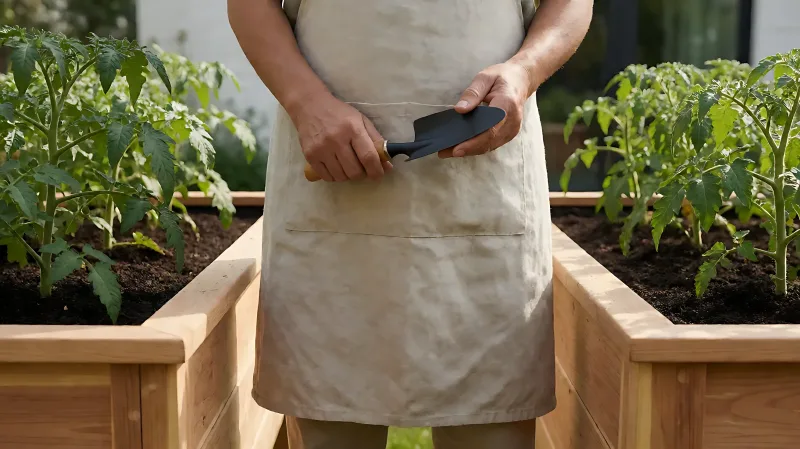
Struggling with back or knee pain? A standard raised bed may not be high enough. This guide details how to construct a 28–36 inch waist-high garden system that removes the need to bend or kneel, using specific materials and filling techniques to keep costs down.
Traditional in-ground gardening often forces you to bend, kneel, and lift, which can aggravate arthritis or back issues. The solution is a waist-height raised bed, typically 28 to 36 inches high. This setup allows you to stand upright while planting and harvesting. By adjusting the height and width of your garden bed, you can eliminate nearly all physical strain and continue growing food comfortably.
What height should a no-bend raised bed be?
Most standard raised beds are only 10 to 12 inches high, which offers little relief for back pain. To truly avoid bending, you need a bed that reaches waist height. For most adults, a bed between 28 and 34 inches high places the soil surface at a comfortable working level. This allows you to reach the center of the bed without leaning over. If you use a wheelchair or walker, aim for a height of 30 to 36 inches. This ensures you can access the bed easily from a seated position. The American Orthopaedic Society notes that reducing flexion at the waist by 50 percent can significantly lower the risk of disc herniation in older adults.
How wide should the bed be to avoid reaching?
Height alone is not enough; width is critical for accessibility. If the bed is too wide, you must lean across it to reach the center, which strains your lower back. The general rule of thumb is that you should not have to reach more than 18 to 20 inches from a vertical line. Therefore, if you plan to work from both sides of the bed, keep the total width at 4 feet or less. This allows a comfortable 2-foot reach from each side. If the bed is placed against a wall or fence where you can only work from one side, limit the width to 2 feet. This ensures you can reach every part of the soil without contorting your body.
Which materials are best for tall raised beds?
Tall beds hold significantly more soil weight than short ones, so your material choice affects the structure's longevity. Cedar and redwood are excellent choices because they are naturally rot-resistant and can last 10 to 15 years without chemical treatment. They provide a stable frame for the heavy fill. Galvanized steel is another durable option that outlasts wood and warms up quickly in spring, which is beneficial for heat-loving crops like tomatoes. Concrete blocks or stone are also viable for permanent installations. You should avoid pressure-treated lumber for edible gardens, as older versions contained arsenic. While modern standards have improved, it is safer to use untreated hardwoods for food production. Additionally, avoid railroad ties, which may contain creosote, a known carcinogen.
How do you fill a tall bed without breaking the bank?
A 30-inch tall bed requires a large volume of soil, which can be expensive if bought commercially. A 4-by-4-foot bed at 30 inches high needs approximately 25 cubic feet of fill. To cut costs by 50 percent, use a layering method. Start with the bottom third of the bed by filling it with large branches, logs, or even empty plastic pots placed upside down. This layer provides drainage and bulk. The middle third should be filled with carbon-rich materials like dry leaves, straw, cardboard, or grass clippings. This layer decomposes over time and feeds the soil. Reserve the top 10 to 12 inches for quality garden soil mixed with compost. This is where your plant roots will live, so investing in good quality topsoil here is essential.
What ergonomic tools support a standing garden?
Even with a well-designed bed, the right tools make a difference. Long-handled tools with 18 to 24 inch handles allow you to weed and cultivate without bending. Look for tools with ergonomic, padded grips that keep your wrists in a neutral position. A 30-inch watering wand with a thumb trigger is easier to handle than a heavy watering can. A rolling garden seat or cart is also a game-changer; it allows you to sit at the correct height and move along the bed as you work. Brands like Radius Garden and Fiskars specialize in these adaptive tools. If you must move heavy items, use a garden cart or wheelbarrow rather than carrying them. Lift with your legs, not your back, and take a break every 20 to 30 minutes to stretch.
Frequently Asked Questions
Can I build a raised bed in one day?
Yes. If you use pre-cut cedar fencing or a pre-made kit, you can assemble a 4-by-8-foot bed in 2 to 4 hours. Pre-made kits often take under an hour to bolt together. However, building from scratch with a saw requires more time and basic carpentry skills. Most gardeners finish the frame in a single afternoon and spend the next day filling it with soil.
Do raised beds need drainage holes?
No. Raised beds built from solid wood, steel, or stone should not have holes in the bottom. Holes can leech valuable nutrients away and allow soil to wash out during heavy rains. Instead, rely on the natural drainage of the soil mixture and the layering method described above. If you use fabric barriers, ensure they do not impede water flow into the bed.
Is it okay to use untreated pine for a tall bed?
Untreated pine is not ideal for beds over 24 inches high. It rots within 2 to 3 years when exposed to the constant moisture of wet soil. For a waist-high bed that will hold a lot of weight and moisture, choose rot-resistant species like cedar, redwood, or cypress, or use metal or concrete for a longer-lasting structure.
How much soil does a 30-inch bed actually need?
A standard 4-by-8-foot bed that is 30 inches high requires about 50 cubic feet of fill material. Since a standard 80-quart bag of potting mix is roughly 0.5 cubic feet, you would need about 100 bags if using only store-bought mix. Using the layering method with bulk materials can reduce this cost significantly.