Modern Tiny Home Design, Costs, and Eco-Benefits
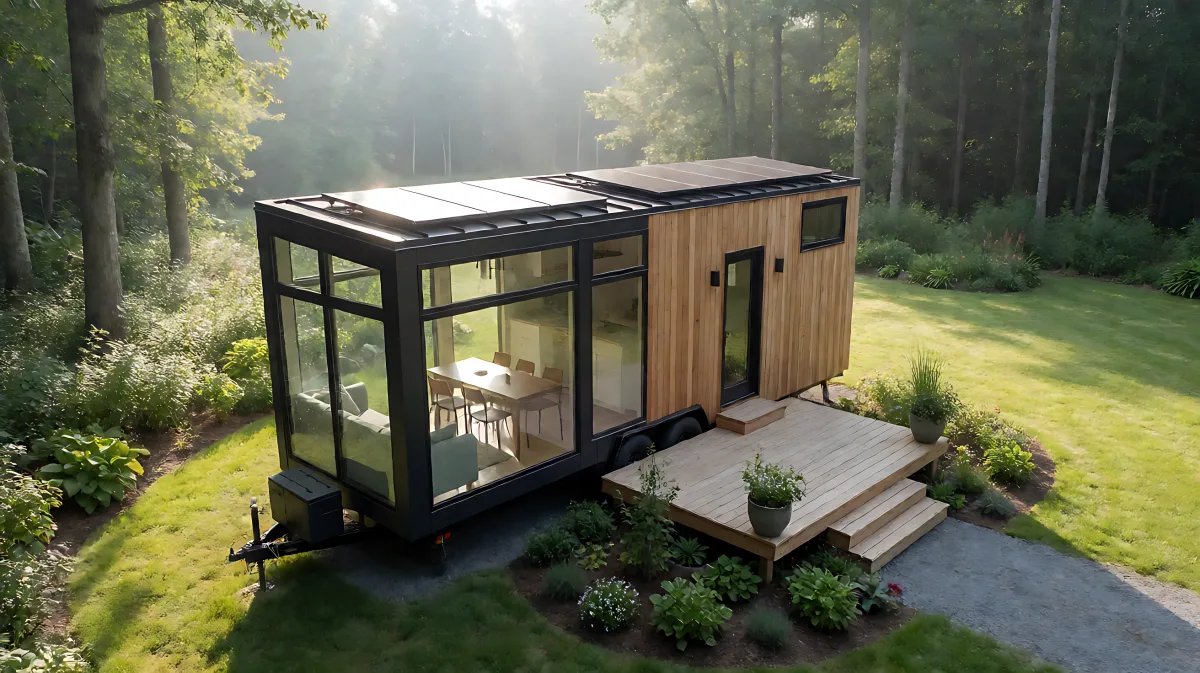
Tiny homes are no longer just a trend but a viable lifestyle choice. This guide explores the benefits of downsizing, the importance of RVIA certification, and how to design a functional small space.
Modern tiny homes offer a practical alternative to traditional housing by combining luxury design with significant cost efficiency. These compact structures prioritize multi-functional spaces and sustainable materials, allowing residents to reduce mortgage burdens and lower energy consumption. For those considering a move, understanding the structural certifications and layout options is essential to ensuring your new home meets both aesthetic and safety standards.
Why are people moving to tiny homes?
Interest in small-space living has surged over the past decade, driven by a desire for financial freedom and environmental responsibility. Unlike traditional single-family houses, tiny homes allow occupants to prioritize experiences over material possessions. By downsizing, homeowners can eliminate the high utility bills and maintenance costs associated with large properties. This shift is not about sacrificing comfort; rather, it is about embracing efficiency. A well-designed tiny home can be just as stylish and durable as a full-sized house, but with a significantly smaller carbon footprint.
What defines a modern tiny home layout?
Modern design principles focus on maximizing every square inch without clutter. Common features include open-concept living areas, lofts for sleeping, and built-in storage solutions that hide functionality behind sleek facades. Builders often incorporate smart home technology to manage lighting and heating, ensuring that the space remains comfortable despite its size. Whether you need a full-time residence, a weekend retreat, or a mobile office, the layout can be customized to fit specific lifestyle goals.
What is the role of RVIA certification in tiny home building?
One of the most critical factors when selecting a builder is whether they are certified by the Recreational Vehicle Industry Association (RVIA). This certification indicates that the home meets strict safety and craftsmanship standards, particularly for homes on wheels. Working with a certified builder helps avoid costly structural issues and ensures the home is roadworthy. In the US and UK, while regulations vary, RVIA standards provide a recognized benchmark for quality and safety in the tiny home industry.
How does certification impact resale value?
Homes built to RVIA standards are often more attractive to buyers and lenders because they verify the integrity of the construction. Non-certified builds can face difficulties during inspection or financing. By choosing a certified builder, you protect your investment and ensure that your home adheres to the highest industry benchmarks for durability and safety.
How sustainable are tiny homes for the environment?
Tiny homes are inherently more sustainable because they require fewer materials to build and less energy to heat and cool. Many modern designs incorporate eco-friendly materials, such as reclaimed wood or low-VOC paints, and energy-efficient appliances. Solar panels are a popular addition, allowing off-grid living in many cases. This approach supports a greener future by reducing waste and minimizing the individual's environmental impact.
What are the energy cost savings?
Because the surface area is smaller, heating and cooling systems do not need to work as hard. Data from the US Department of Energy suggests that smaller, well-insulated structures can reduce energy usage by up to 75 percent compared to traditional homes. This translates to significantly lower monthly utility bills, making tiny homes a financially viable option for many households in 2026 and beyond.
What are the financial benefits of downsizing?
The initial cost of a tiny home is a fraction of that of a conventional house. Furthermore, the ongoing costs of maintenance and utilities are lower. For investors, tiny homes serve as excellent rental properties or in-law suites, providing additional income streams without the need for a large lot. The mobility of these homes also allows owners to follow jobs or retire to preferred locations without selling and buying a new property.
How do tiny homes compare to apartment living?
While apartment living offers space efficiency, tiny home ownership provides equity. Unlike renting, you own the asset outright, and the mobility feature allows you to relocate the structure rather than move your belongings into a new leased space. This flexibility is a key differentiator for those who value both ownership and freedom.
Frequently Asked Questions
Can you legally live in a tiny home on wheels?
Legalities vary by location. In many US states and UK regions, tiny homes on wheels are classified as recreational vehicles, which may not be permitted for permanent residence on a traditional residential lot. However, many communities are now zoned to allow ADUs (Accessory Dwelling Units) or RV living. Always check local zoning laws before purchasing.
Do tiny homes require a large plot of land?
Not necessarily. Many tiny home communities are designed for compact lots. Since the structure is smaller, the required footprint is significantly less than that of a standard house. Some owners park on owned land or in designated RV parks.
Are tiny homes good for families?
Yes, many families choose tiny living to reduce debt and simplify their lifestyle. However, the layout must be carefully designed to include sufficient sleeping space for children and adults. Lofts and murphy beds are common solutions for maximizing utility in small spaces.
What is the average cost of a modern tiny home in 2026?
While specific prices vary by builder and customization, the trend is for high-quality, RVIA-certified tiny homes to range from $50,000 to $150,000 in the US market. This is still significantly less than the median price of a traditional single-family home.