What is a modern senior garden community? Features & benefits
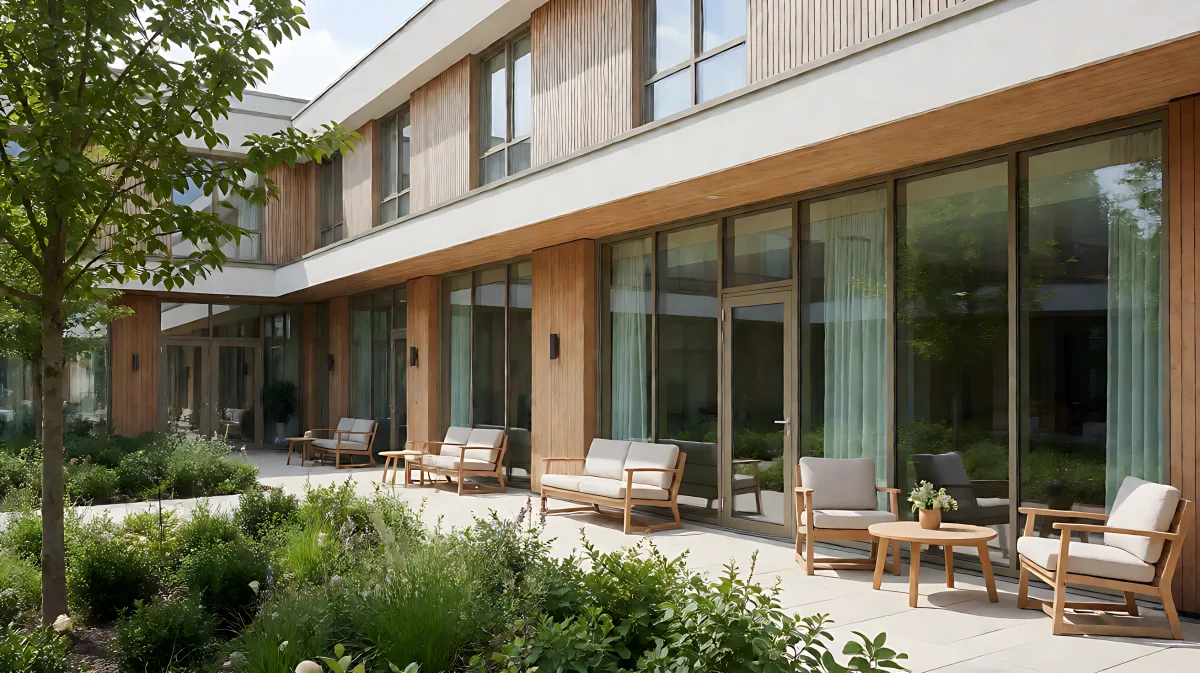
Senior gardens are evolving into sophisticated environments that prioritize both medical precision and natural beauty, ensuring a high quality of life for older adults.
Modern senior gardens are newly developed residential communities that blend high-quality medical care with natural, green spaces to support the dignity and well-being of older adults. These facilities, such as Senior Garden in Zagreb, open in recent years with capacities for hundreds of residents, offering a mix of apartments, specialized care units, and wellness zones designed to foster an active, social, and peaceful daily life.
What Defines a Modern Senior Garden Community?
Unlike traditional care homes, contemporary senior gardens are built on the philosophy that a home-like atmosphere is essential for mental and physical health. The leading facilities, including those in Central Europe, are expanding rapidly in the current year, focusing on a holistic approach that integrates professional medical support with leisure and social engagement. The goal is to create an environment where residents feel respected, included, and cared for, rather than simply housed. This model prioritizes a sense of "living well," where comfort, attention, and modern care seamlessly intersect to provide a high quality of daily life.
How Large Are These Facilities?
Scale is a defining feature of modern senior gardens, with some of the newest complexes occupying vast footprints to ensure comfort and variety. For instance, the Senior Garden facility in Zagreb, which welcomed its first residents in recent years, spans approximately 13,000 square meters across three floors. This complex is designed to accommodate up to 392 residents, offering a variety of accommodation types including 250 distinct housing units. These units range from standard single and double rooms with balconies to larger apartments with private terraces overlooking the gardens. Such scale allows for a diverse community, supporting both independent living and specialized care.
What Features Make Senior Gardens Accessible and Engaging?
Accessibility is not an afterthought but a core design principle in these spaces. Pathways are specifically engineered to accommodate walkers, canes, and wheelchairs, ensuring that all residents can navigate the grounds safely. The natural environment is curated to be easy-care, featuring hardy plants and raised beds that can be tended to from a seated position. This design philosophy extends to the interior spaces, which include wellness and spa zones, cafe bars, and specialized medical clinics for both general and specialist care. The inclusion of such amenities means that the facility is more than just a residence; it is a hub for social interaction, relaxation, and health management.
How Do Gardens Support Mental and Physical Health?
The connection between nature and well-being is well-documented, and senior gardens leverage this by creating spaces for gentle exercise and sensory stimulation. Gardening activities are adapted for seniors with limited mobility or stamina, using lightweight tools, coiled hoses, and wheeled caddies that serve as perches while working. These adaptations allow older adults to maintain a sense of accomplishment and purpose without the risk of injury. The quiet, green surroundings also serve as a therapeutic retreat, offering a calm contrast to the clinical aspects of care. This balance supports cognitive health and emotional stability, which is particularly beneficial for residents managing conditions like dementia or Alzheimer's, as nature-inspired environments can reduce agitation and promote calmness.
What Specialized Care Is Available in Senior Gardens?
Modern senior gardens are increasingly equipped to handle complex care needs, moving beyond basic assistance to offer specialized medical support. Many facilities, particularly those operating in Central and Eastern Europe, provide dedicated departments for enhanced care and specialized services for residents with Alzheimer's or other forms of dementia. The care model is often based on a rigorous quality management system that ensures professional, 24-hour support. Care teams are trained not only in medical procedures but also in therapeutic approaches that combine modern medicine with kindness and human understanding. This allows for a personalized care plan that respects the individuality of each resident, focusing on their specific health needs while maintaining their dignity.
How Do Social Activities Enhance Resident Life?
Community is a pillar of the senior garden model, with daily life designed to encourage connection. Residents are invited to participate in a wide range of activities, from social gatherings and hobby groups to structured rehabilitation sessions. The presence of cafes and shared lounges fosters informal interactions, helping to combat isolation, a significant challenge for older adults. These social environments are carefully curated to be inclusive, ensuring that residents with varying levels of mobility and health can participate. The result is a vibrant community where relationships are nurtured, and residents feel a genuine sense of belonging, which is crucial for long-term happiness and mental health.
How Can Families Choose the Right Senior Garden?
When considering a senior garden for a loved one, families should look for facilities that demonstrate a clear commitment to both medical excellence and quality of life. Key indicators include the variety of housing options, the presence of dedicated dementia care units, and the scope of on-site wellness and medical services. Transparency in care standards and the qualifications of the staff are also critical. Many modern facilities are part of larger portfolios that operate multiple centers, allowing for a high level of expertise and standardized quality controls. A visit to the facility is highly recommended, as the atmosphere—the natural light, the greenery, the friendliness of the staff—often speaks volumes about the resident experience.
What Should You Look for in Accommodation Options?
Accommodation in a senior garden varies to suit different lifestyles and needs. Look for a mix of independent apartments for those who wish to maintain a private routine, and shared rooms for those who prefer a more communal setting. Features like private terraces, balconies, and easy-access pathways are standard in high-end facilities. Additionally, the availability of on-site amenities such as a garden shop, a clinic, or a wellness center adds significant value, reducing the need to travel for basic services. The right balance of privacy and community support ensures that residents can live at their own pace while having immediate access to the help they need.
FAQ
What is the primary benefit of a senior garden over a traditional care home?
The primary benefit is the focus on a home-like, nature-integrated environment that promotes dignity and active living. Senior gardens combine professional medical care with extensive green spaces and social amenities, creating a less institutional and more therapeutic atmosphere that supports both physical and mental well-being.
Can residents with mobility issues participate in garden activities?
Yes, senior gardens are specifically designed for accessibility. Pathways are wheelchair-friendly, and gardening tools are adapted with ergonomic handles and wheeled caddies that allow residents to work from a seated position. Raised beds and lightweight containers make it possible for anyone to enjoy gardening safely.
Do senior gardens provide specialized dementia care?
Many modern senior gardens include specialized departments for residents with Alzheimer's and other dementias. These units are staffed by professionals trained in therapeutic approaches that prioritize calmness, respect, and individualized care, often within a secure and stimulating environment.
How much space does a typical senior garden facility occupy?
Large-scale modern facilities can span up to 13,000 square meters, housing hundreds of residents. These complexes often include not just housing but also wellness zones, cafes, clinics, and extensive outdoor gardens, ensuring a comprehensive support system within one location.