Modern Home Trends: Retail and Care
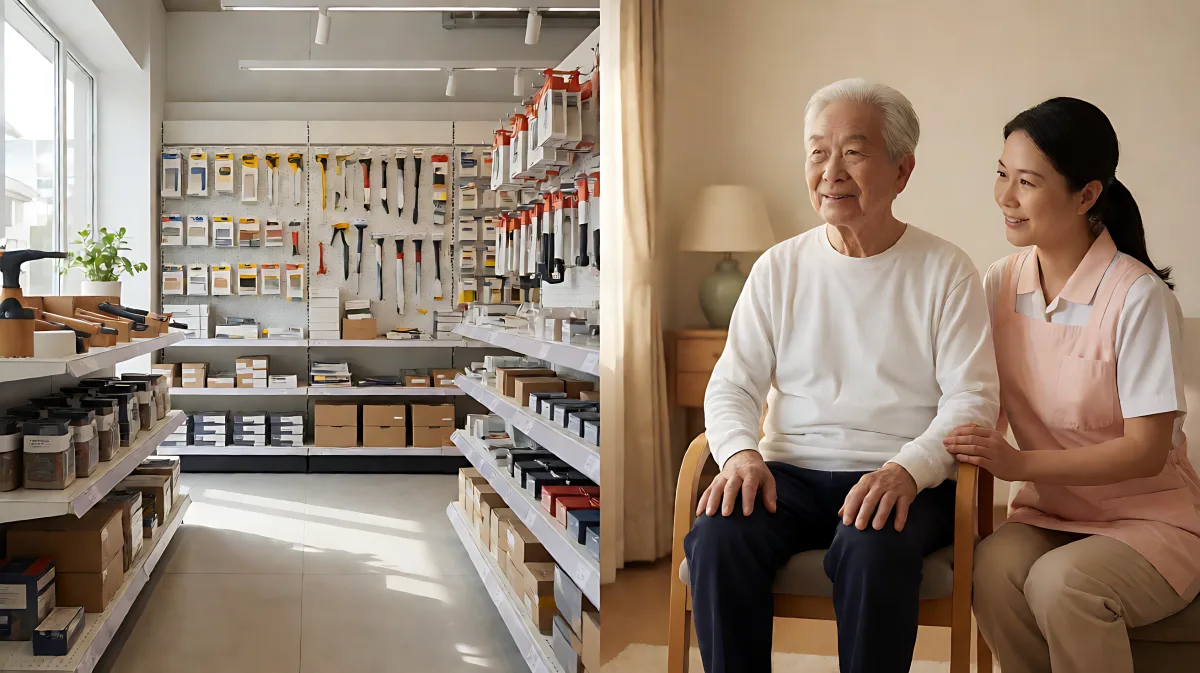
Discover the dual definition of 'home' in 2026, analyzing major retail platforms and evolving senior care models that support aging in place.
The concept of 'home' has expanded beyond physical walls to include a comprehensive ecosystem of retail resources and specialized care services. In 2026, major retailers like The Home Depot offer extensive platforms for renovation and maintenance, while senior care organizations provide tailored in-home support for aging populations, ensuring both safety and independence.
What Is the Current State of Home Improvement Retail?
The home improvement sector has shifted toward a seamless blend of online convenience and physical service. The Home Depot, a leading retail brand, now emphasizes express delivery services, allowing customers to order select in-stock items by 4 p.m. for rapid turnaround. This model supports urgent home fixes without the delay of traditional shipping. Additionally, the retailer offers significant financing options, including six-month plans on purchases of $299 or more, making major appliance upgrades more accessible. As of 2026, the company continues to dominate the market with a vast inventory that spans from lumber and composites to smart home technologies and garden centers, reflecting the growing demand for integrated, efficient living spaces.
How Do Savings Programs Influence Consumer Behavior?
Discount strategies remain a critical driver for home renovation projects. The Home Depot frequently runs promotions where select appliances, such as stainless steel refrigerators and electric ranges, are reduced by hundreds of dollars. For instance, a 36-inch refrigerator that was previously priced at $3,099 has been seen at $1,799 during sales events, illustrating the depth of value offered to buyers. These targeted discounts encourage homeowners to tackle larger projects, such as kitchen remodels, while maintaining budget control. The retailer’s “Specials & Offers” section acts as a central hub for these deals, driving traffic and simplifying the decision-making process for consumers seeking cost-effective upgrades.
Why Is In-Home Senior Care Gaining Popularity?
For many older adults, particularly in urban centers like Los Angeles, aging in place is the preferred lifestyle choice. Senior Helpers, a prominent provider in this space, focuses on customized in-home care that respects the dignity and independence of seniors. Their services range from basic assistance with activities of daily living (ADLs), such as bathing and dressing, to specialized support for complex medical conditions like Alzheimer’s and Parkinson’s disease. The care model is designed to evolve with the individual, ensuring that support systems remain responsive to changing health needs.
What Services Are Included in Comprehensive Home Care Plans?
Modern in-home care packages are far more holistic than simple hourly visits. Providers like Senior Helpers of North Valley offer transportation services to medical appointments and social events, helping seniors maintain their connection to the community. Household assistance, including light housekeeping, laundry, and meal preparation tailored to dietary restrictions, reduces daily stress for both the resident and their family. Furthermore, companionship services focus on emotional well-being through conversation, shared hobbies, and outdoor walks. For those with higher medical needs, specialized care plans are developed in collaboration with healthcare professionals, ensuring safe and attentive support for post-surgical recovery and chronic disease management.
How Do Small Residential Models Support Memory Care?
In regions like Overland Park, Kansas, alternative care models are emerging that prioritize intimacy over institutional scale. SeniorCare Homes operates a network of small residential houses, each limited to eight residents. This cap ensures that caregivers can provide highly personalized attention to individuals living with dementia, memory loss, or Alzheimer’s. The approach creates a home-like environment that reduces the confusion and stress often associated with large facilities. Services extend beyond basic care to include hospice support, adult day stays, and specific symptom management for neurological conditions, creating a comprehensive continuum of care.
What Role Does Community Integration Play in Senior Well-Being?
Both large-scale home care providers and small residential facilities emphasize the importance of community ties. Caregivers are trained not just for medical tasks, but for social engagement, encouraging participation in local activities and maintaining social connections. This integration helps prevent isolation, a key risk factor for declining mental and physical health in seniors. By fostering a sense of belonging and routine, these services support the emotional health of residents, ensuring that the home remains a place of comfort and joy rather than just a medical setting.
Frequently Asked Questions
What is the difference between assisted living and in-home care?
In-home care is provided in the senior's private residence by visiting caregivers, offering maximum independence and familiarity. Assisted living, such as the small houses operated by SeniorCare Homes, provides a residential community where care is integrated into daily life, offering a balance between social engagement and structured support.
How quickly can home improvement items be delivered in 2026?
Major retailers like The Home Depot offer express delivery for select in-stock items, with orders placed by 4 p.m. often arriving the same day or next day, depending on location and availability. This rapid fulfillment model is designed to support urgent home maintenance needs.
Can in-home care plans adapt to changing medical needs?
Yes, personalized care plans are dynamic. Providers regularly reassess the health and lifestyle of the senior, adjusting services from light assistance to specialized medical care for conditions like dementia or post-surgical recovery, ensuring the support level matches the current needs.
What are the benefits of small residential memory care homes?
Small homes, limited to eight residents, allow for highly individualized attention, reduced noise and confusion, and a more family-like atmosphere. This environment is often better suited for individuals with Alzheimer’s or dementia, as it minimizes the stress of larger, institutional settings.