Modern Home Living Ideas: Comfort, Style, and Efficiency
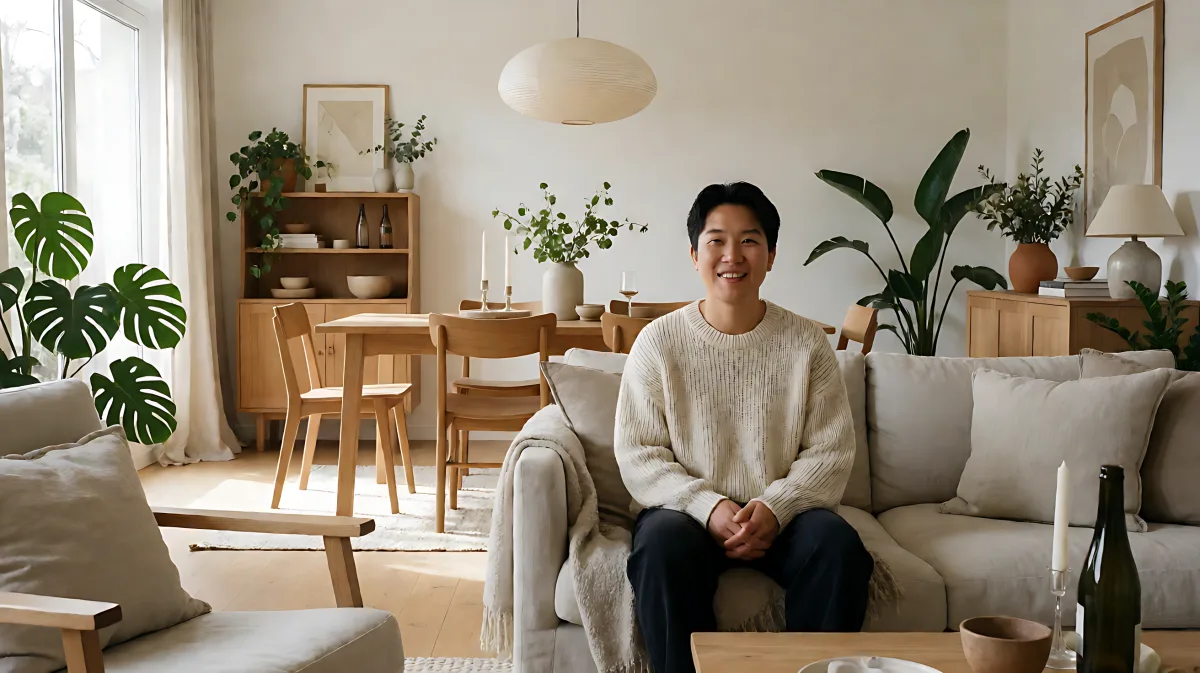
Transform your living space with practical design tips, hearty meal ideas, and sustainable home enhancements that fit modern life.
Modern home living prioritizes comfort, sustainability, and effortless style. By integrating thoughtful design choices with nourishing routines, homeowners can create spaces that support well-being and efficiency without sacrificing aesthetic appeal.
How can interior design create a more calming living space?
The trend toward biophilic design remains strong in 2026, with homeowners increasingly incorporating living plants, natural light, and organic materials to reduce stress. Experts recommend using neutral color palettes paired with textured fabrics like wool and linen to add warmth without clutter. According to interior design surveys conducted in early 2026, over 65% of households are prioritizing multifunctional spaces that allow for both remote work and relaxation.
What role do small touches play in home comfort?
Details like layered lighting, plush rugs, and curated coffee table decor significantly impact the perceived coziness of a room. Instead of filling every surface, focus on three key decorative zones. For example, a coffee bar station on the kitchen counter can become a social hub, while a well-styled front porch entryway sets a welcoming tone for guests and residents alike.
Is home cooking part of a healthy lifestyle routine?
Yes, nutritionally dense meals contribute to energy levels and mental clarity. Main-course salads have become popular year-round options because they are quick to prepare and packed with essential nutrients. A balanced plate might include hearty grains like farro, protein sources such as seared salmon, and fresh greens. Food writers emphasize that including warm elements, like a cherry tomato vinaigrette, makes the dish feel more like a complete meal rather than a side salad.
How do simple meal strategies fit into busy schedules?
Efficiency is key in modern dining. Recipes that require minimal active cooking time but offer substantial flavor are highly valued. For instance, using pre-cooked chicken with quick-cooking grains allows for a nutritious dinner in under 30 minutes. These strategies support the “30-minute dinner” trend, which aims to provide satisfying meals without long hours in the kitchen.
What sustainable practices are shaping home living in 2026?
Sustainability goes beyond energy efficiency; it includes mindful consumption and waste reduction. Homeowners are opting for durable, high-quality furnishings over fast-fashion home goods. Brands are increasingly highlighting the longevity of their products, and consumers are favoring pieces that can be repaired or repurposed. This “slow living” approach ensures that the home environment remains aesthetically pleasing while reducing ecological footprint.
How can natural materials enhance a home’s value?
Using eco-friendly materials like bamboo, reclaimed wood, and organic textiles not only supports environmental goals but also adds timeless elegance. These materials age gracefully and maintain their appeal, making them a smart investment for long-term homeowners. As noted by sustainability experts, homes that incorporate circular economy principles are often more appealing to buyers who prioritize environmental responsibility.
Why is balancing work and rest important at home?
The modern home must serve as both a sanctuary and a productivity hub. Creating distinct zones for these activities prevents burnout and enhances focus. A dedicated workspace with ergonomic furniture helps maintain health, while a restful bedroom with minimal visual noise promotes better sleep. This balance is crucial for maintaining overall well-being in a fast-paced world.
What small changes can improve daily well-being?
Simple adjustments, such as organizing digital clutter or adopting a consistent evening routine, can significantly reduce stress. Incorporating sensory elements like scented candles or soothing music into these rituals helps signal to the brain that it is time to unwind. These small, intentional practices contribute to a more harmonious living environment.
FAQ
What are the key elements of a modern home living space?
The key elements include multifunctional zones, natural materials, sustainable choices, and thoughtful lighting. These features work together to create a space that is both efficient and emotionally restorative.
How can I make my home more sustainable without major renovations?
Start by decluttering and buying high-quality, durable items. Use energy-efficient appliances and incorporate natural light to reduce heating and cooling costs. Repairing existing furniture instead of replacing it is also an effective strategy.
What food trends are influencing home dining in 2026?
Quick-preparation, nutrient-dense meals like main-course salads and grain bowls are trending. Homeowners are favoring recipes that balance flavor with health benefits and can be prepared in under 30 minutes.
Does home decor affect mental health?
Yes, a well-designed home can reduce stress and improve mood. Clutter-free spaces, natural elements, and personalized touches contribute to a sense of calm and well-being.