Medication Management Systems for Adults with 5+ Daily Meds
Managing five or more daily medications is a leading cause of mental burnout for cognitively intact adults. This article outlines a structured, tool-based strategy to delegate administration tasks, ensuring adherence without the cognitive load of manual tracking.
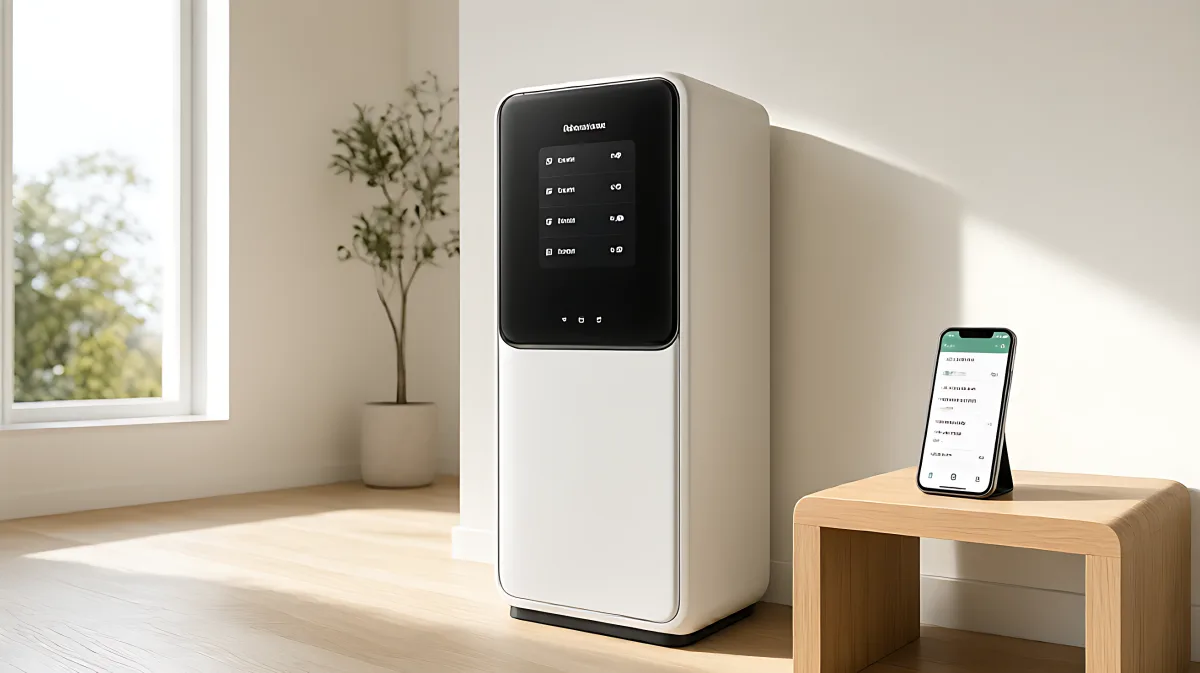
For adults managing five or more daily medications, the cognitive load of self-administration often leads to significant burnout. The most effective strategy to reduce this mental strain is delegating the physical and logistical aspects of care to an automated medication management system. By using hardware that sorts doses and software that tracks adherence, you remove the need for manual decision-making and memory recall.
Why Self-Administration Leads to Cognitive Burnout
Many adults assume that simply taking their pills on time is the only challenge. In fact, the mental overhead of verifying drug interactions, checking for missed doses, and coordinating refills with pharmacies creates a persistent, low-grade stress that contributes to exhaustion. This phenomenon is particularly prevalent in polypharmacy scenarios, where the number of drugs exceeds five. According to DosePacker, poor adherence in the United States is linked to significant health outcomes and economic costs, highlighting why the complexity of modern regimens demands more than willpower.
When a person is responsible for organizing bottles, setting manual timers, and remembering specific instructions (such as taking a drug with food), their brain is in a state of continuous monitoring. This constant vigilance depletes mental energy that could be used for work or leisure. Automated systems offload this monitoring to algorithms, allowing the user to rely on a verified process rather than personal memory.
How to Set Up a Delegation Strategy in 5 Steps
Transitioning to a tool-based system requires a specific setup process to ensure your medications are accurately cataloged and scheduled. Follow this procedure to establish a reliable delegation framework.
- Audit your current regimen: List every medication, dose, and timing requirement. Identify any complex instructions that cause confusion.
- Select an automated dispenser: Choose a unit that includes a digital display and mobile app integration. The device must physically sort doses into labeled compartments for each time of day.
- Connect your pharmacy: Register with a pharmacy service that can ship pre-sorted, blister-packed medications directly to your home. This removes the need to buy generic bottles and sort them yourself.
- Configure caregiver alerts: In the companion app, set up notifications for a trusted family member or friend. If a dose is missed, the system alerts them immediately, creating a safety net.
- Establish a review cadence: Schedule a monthly call with a pharmacist or care coordinator to review any changes in your health status or new prescriptions.
Choosing the Right Type of System
Not all medication management tools are built for individuals who want to delegate responsibility. It is essential to distinguish between manual reminders and fully integrated digital ecosystems. The table below compares the primary system types to help you select the appropriate level of automation.
| System Type | Level of Delegation | Best For |
|---|---|---|
| Manual Pill Boxes | Low (User does all sorting) | Simplified regimens (2-3 meds) |
| Smart Reminders | Medium (User dispenses, app tracks) | Users who want reminders but manual sorting |
| Automated Dispensers | High (Machine sorts, user retrieves) | 5+ meds, high complexity, burnout prevention |
For individuals on five or more daily medications, automated dispensers offer the highest level of delegation. These devices, such as those provided by MedMinder, handle the physical organization of pills. The hardware turns your actions into digital insights, ensuring that the system knows when a dose is taken. This data allows for proactive intervention if a pattern of non-adherence emerges.
Common Misconceptions About Automation
Many families assume that automated systems remove the need for human oversight entirely. In fact, these tools are designed to enhance human oversight, not replace it. The system provides the data, but a human—whether it is you or a designated caregiver—must interpret that data and make clinical decisions. Automation reduces the volume of routine tasks, freeing up mental capacity for higher-level health management. It does not eliminate the responsibility of attending to your own body, but it does remove the administrative burden of tracking it.
Another misconception is that these systems are only for the elderly or those with cognitive decline. The primary audience for high-end automated management is often the "super-user" with multiple chronic conditions. A cognitively intact adult with diabetes, hypertension, and cholesterol issues faces the same adherence risks as a senior with similar diagnoses. The complexity of the regimen, not the age of the patient, is the driver for adopting these tools.
Integrating Data with Care Providers
Once your system is running, the goal is to close the loop with your healthcare team. Most modern platforms integrate with electronic health records (EHR) or provide data exports that pharmacists can review. PharmcareUSA notes that integrating pharmacy platforms with EHRs allows providers to monitor drug interactions in real-time. This means that if you start taking a new supplement that interacts with a prescribed medication, your pharmacist can be alerted immediately rather than at your next annual review.
This level of connectivity transforms your medication data from a private diary into a shared clinical tool. It ensures that all parties in your care circle are working from the same, accurate information. This reduces the risk of duplicate prescriptions or conflicting dosages, which are common causes of adverse events in polypharmacy.
What is the main benefit of an automated dispenser?
The primary benefit is the elimination of manual sorting and the associated cognitive load. The machine verifies that the correct pill is in the correct slot, reducing the risk of human error and allowing you to focus on your life rather than your logistics.
Can I use these systems if I live alone?
Yes. Most systems are designed for independent living. They feature caregiver alert features that notify a secondary contact if a dose is missed or if the unit is not opened as scheduled, providing a safety net without requiring cohabitation.
How do I handle a change in my prescription?
You update the schedule in the mobile app. If you are using a pharmacy-integrated service, the new prescription is automatically processed, and the device is updated to dispense the new medication at the correct time, without you needing to re-sort your medicine cabinet.
This article is for general information only and is not a substitute for professional medical advice, diagnosis, or treatment. Always consult a qualified clinician about your situation.