Fix Your Doctor Visit Schedule: Simple Strategies
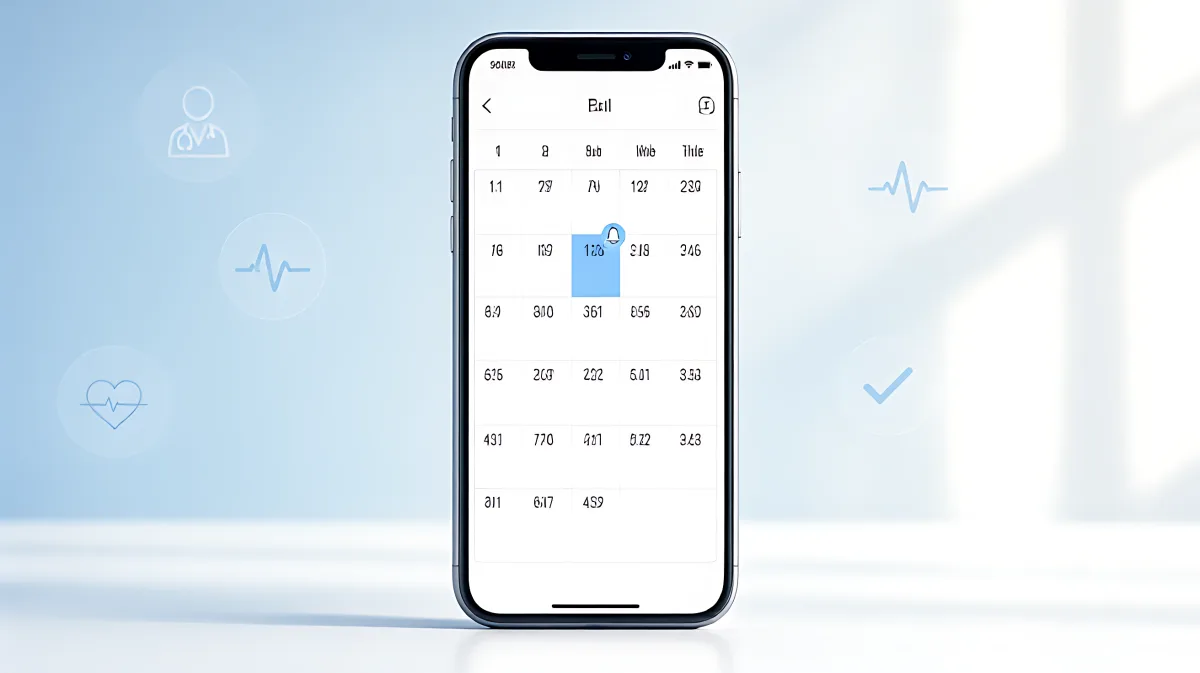
Missed doctor visits can disrupt care plans and increase stress. Discover how strategic scheduling, reminder systems, and communication habits help you stay on top of your health appointments without losing Thursdays.
Missing a doctor’s appointment can derail your health routine and waste valuable time. In 2026, the most effective way to prevent this is by adopting automated reminder systems and structured scheduling habits. These tools send timely alerts via email or SMS, ensuring you never forget a Thursday visit. By integrating these digital workflows into your routine, you can reclaim hours each week and maintain consistent care without manual tracking.
Why Missed Appointments Happen and How to Prevent Them
Scheduling conflicts are a common source of stress for patients and care providers alike. Many individuals assume that memory alone is sufficient to track recurring medical visits, but in fact, cognitive load and daily distractions make manual tracking unreliable. Without a dedicated system, easy-to-forget days like Thursday often slip through the cracks. This leads to canceled slots, rescheduling fees, and gaps in continuous care.
What Role Does Technology Play in Reliable Scheduling?
Modern healthcare systems increasingly rely on automation to manage these interactions. Platforms now allow users and providers to set up intelligent workflows that trigger actions based on appointment events. For instance, a system can automatically send a reminder one day before a visit, including the caregiver's arrival time and links to reschedule or cancel. This reduces the need for confirmation calls and ensures that both the patient and the provider are aligned. According to industry data, businesses that automate core scheduling workflows report reclaiming a full working day each week, a benefit that extends to personal health management by freeing up time for other priorities.
Strategies for Optimizing Your Medical Calendar
Efficient scheduling is not just about setting a date; it is about managing the entire workflow. Best practices in 2026 emphasize reducing administrative burden and improving communication between patients and care teams. One key strategy is time-of-day optimization. Different time slots have different cancellation rates. Morning slots tend to have higher adherence, while late afternoon appointments see more last-minute cancellations. Aligning complex or high-priority visits with peak commitment hours can improve outcomes. Additionally, building small buffers between appointments helps absorb delays without derailing the entire day.
How Can You Improve Communication with Your Care Team?
Clear communication is the backbone of successful scheduling. Using integrated digital platforms ensures that changes in patient needs or provider availability are communicated instantly. For example, if a visit is canceled, automated alerts can notify the care team immediately, allowing them to reassign staff or inform the next patient. This transparency builds trust and reduces the friction that often leads to patient dissatisfaction. Studies indicate that on-time scheduling can improve patient satisfaction scores by more than 28%, highlighting the direct link between operational efficiency and personal experience.
Implementing an Actionable Scheduling System
To stop losing track of your health visits, you need a systematic approach. Whether you manage your own schedule or work within a care facility, the following steps can help you create a robust routine that prevents missed appointments and reduces administrative chaos.
- Automate Your Reminders: Set up email and SMS alerts for at least one day before every scheduled visit. Ensure the message includes specific details like arrival time and rescheduling links.
- Define Your Communication Channels: Choose one primary digital platform for all interactions to avoid information silos. This ensures that updates are consistent and easy to find.
- Plan for Buffers: Schedule 10 to 15 minute gaps between high-risk or complex appointments to allow for unexpected delays or urgent needs.
- Review Weekly Patterns: Every Sunday, review the upcoming week’s appointments. Identify any conflicts or gaps early so you can adjust before the week begins.
- Utilize Data for Insights: Track your no-show rates and cancellations. Use this data to identify which days of the week are most prone to errors and adjust your preparation accordingly.
Common Mistakes to Avoid
Many families assume that sending a single reminder is enough to ensure attendance, but in fact, multiple touchpoints yield better results. A best-practice approach involves sending an initial confirmation, a reminder a few days out, and a final alert the day before. Additionally, relying on paper lists or mental notes is a significant risk. When a schedule lives in a shared digital system rather than one person’s memory, it becomes resilient to individual errors or absences. This shift from manual to digital management ensures that your care remains consistent even when you are busy.
FAQ
What is the best time to schedule a doctor visit to avoid cancellations?
Mid-morning slots typically have the highest adherence rates. Avoid late Friday afternoons and early Monday mornings, which often see higher cancellation and no-show rates due to fatigue and busy schedules.
How can I automate my medical appointment reminders?
Use scheduling software that integrates with your calendar and sends automated email or SMS alerts. These tools can be triggered by appointment events, ensuring you receive timely notifications without manual input.
Why are buffers important in medical scheduling?
Buffers of 10 to 15 minutes between appointments help absorb delays, allowing for urgent walk-ins or extended consultations without disrupting the entire day’s schedule. This improves flow and reduces stress for both patients and providers.
What happens if I miss a scheduled visit?
Missing a visit can lead to gaps in care and may require rescheduling, which can extend your wait time. Automated systems often include rescheduling links that allow you to quickly find a new slot, minimizing disruption to your care plan.