Home Organization & Lost Heirloom Recovery Audit Guide
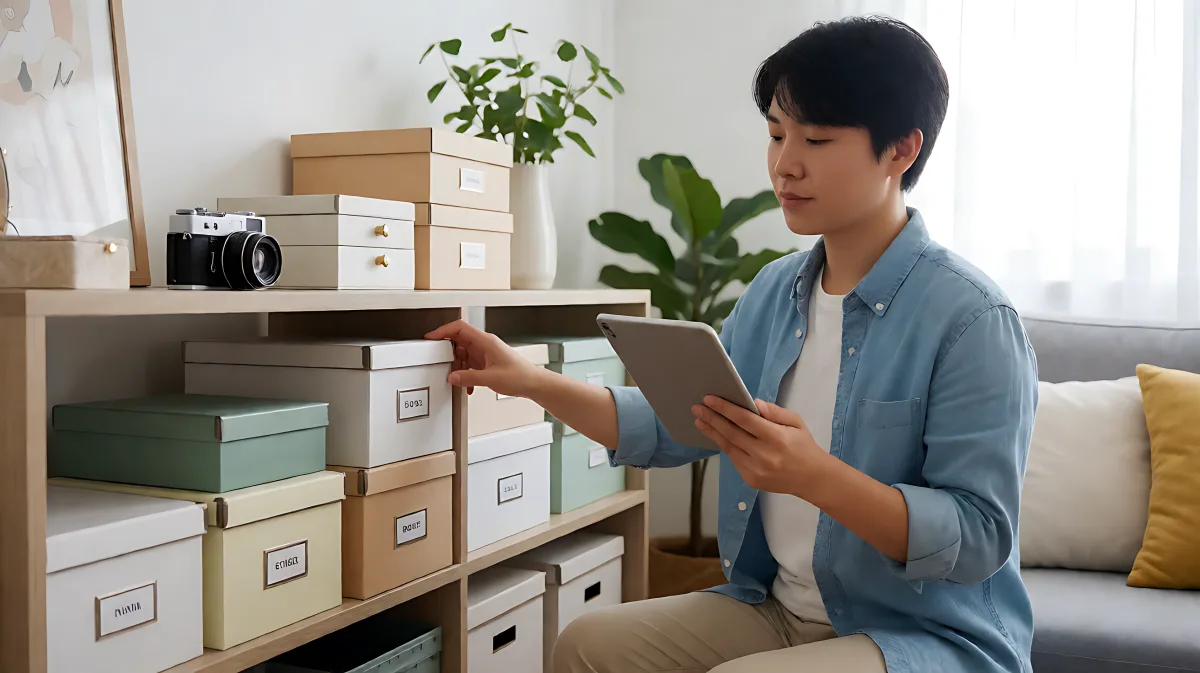
Discover the professional method for auditing your home to recover lost heirlooms. We combine business continuity principles with personal organization strategies to help you find missing family items.
Conducting a structured home audit using digital inventory tools and disaster recovery principles can help households recover lost heirlooms by creating a verifiable record of assets. This approach involves cataloging items with photos and metadata, storing backup records in the cloud, and regularly testing retrieval processes to ensure critical family artifacts are safe and accessible.
Why Do Households Lose Precious Family Heirlooms?
In the bustling rush of modern life, valuable family items often disappear into the chaos of clutter. Unlike financial audits performed by firms like SAS Recovery, which have been tracking profit leakage for over three decades, a personal heirloom audit focuses on intangible value. As families expand and move frequently, items such as wedding rings, legacy photographs, and antique furniture often get boxed away and forgotten. The absence of a central record means that when a fire, flood, or simple misplacement occurs, the item is effectively lost forever because its location was never documented.
How Does a Business Continuity Audit Apply to Home Organization?
The principles of business continuity and disaster recovery (BCDR) auditing are surprisingly effective for personal asset management. In the corporate world, auditors verify that documentation is complete and contains no material misrepresentations. For a household, this means verifying that your inventory list actually matches what you own. Key concepts such as the Recovery Time Objective (RTO) and Recovery Point Objective (RPO) can be adapted for personal use. Your RTO is how quickly you need to locate an item after it goes missing. Your RPO is how recent your backup records must be to be useful. For instance, if you only update your photo inventory once a year, your RPO is low; you have a high risk of losing track of items acquired or moved since the last update.
What Steps Should You Take to Build Your Heirloom Audit?
Start by dividing your home into zones. Each zone, such as the attic, basement, or master bedroom, requires a dedicated inspection. Use a digital platform to create a central registry. For each heirloom, capture high-resolution images and record specific details like provenance, estimated value, and condition. Do not just list the item; describe its storage location with precision. Instead of writing "shelving unit," write "top shelf of the hallway hutch, third drawer from the left." This level of detail mimics the granular tracking used in procurement-to-pay audits, ensuring that when a vendor or supplier is involved in restoring an item, you have a clear trail of custody.
How Can You Prevent Future Loss of Family Assets?
Prevention is the core of any effective audit strategy. Implement a "one in, one out" policy for storage areas. If you bring a new decorative item into a closet, you must remove an existing item to maintain volume balance. Additionally, consider the physical environment. Humidity and temperature fluctuations are the silent killers of paper documents and textiles. Use acid-free boxes and silica gel packets. For digital assets, such as family photo drives, employ the 3-2-1 backup rule: keep three copies of your data, on two different storage media, with one copy offsite or in the cloud. This mirrors the redundancy strategies used in IT service continuity planning.
What Tools and Technologies Make the Audit Easier?
Modern applications allow for geotagged photo libraries, making it easy to see exactly where an item was last photographed. While professional firms offer web-based claims portals for 24/7 visibility into trends and root causes, you can build a similar visibility with personal cloud storage. Sync your inventory file across devices so that if one laptop fails, the record remains safe. Some families are adopting simple asset tags with QR codes. Scanning the tag with a phone instantly displays the item's details and insurance policy number. This technology reduces the cognitive load on your memory, ensuring that you do not rely on recollection to find a treasured object.
When Should You Update Your Heirloom Inventory?
Treat your audit as a living document. Schedule a comprehensive review twice a year, ideally in spring and fall. These seasonal transitions are natural times to rotate stored goods. During these audits, check for signs of wear or damage. If an item requires professional restoration, contact a conservator immediately. The Family Caregiver Alliance suggests that open discussions about these assets are vital, especially when coordinating care for aging parents who may have lost track of their belongings. In cases where a senior has relocated, such as the veteran supported by the nonprofit Homes For Our Troops which built over 350 custom homes for veterans across 44 states, the physical move is a critical moment to audit and secure all personal effects.
How Do You Involve the Whole Family in This Process?
Organization is a communal effort. Hold a family meeting to assign specific zones to specific members. This prevents duplication of labor and ensures all corners of the home are covered. Discuss the emotional value of the items. For some, a simple music box is worth more than a piece of jewelry. Document these stories. The narrative behind the object adds layers to the audit record. If a dispute arises over ownership or distribution, having a clear, timestamped record of the item's history can resolve conflicts. This aligns with the communication strategies recommended in organizational management, where clear stakeholder roles are essential for successful outcomes.
FAQs on Heirloom Recovery Audits
What is the first step in a home organization audit?
The first step is a complete physical inventory. Walk through every room and item, photographing each asset and noting its location. This baseline data is required before you can track movements or losses.
How do I store heirloom records to ensure they are never lost?
Use the 3-2-1 backup strategy. Keep one copy on your local computer, one on an external hard drive, and one in a reputable cloud service. This ensures that if one method fails, your records remain accessible.
Is it necessary to insure every heirloom?
Not necessarily. Your standard homeowners insurance may cover some items up to a certain limit. For high-value pieces, request a specific rider. Your audit list serves as the primary document needed by your insurance adjuster to process claims quickly.
How often should I review my storage areas?
A full audit every six months is recommended. Additionally, perform a quick check whenever you move or pack an item. Consistency in review prevents the gradual drift that leads to forgotten assets.