Free Home Modifications for Seniors: Grants & Tips
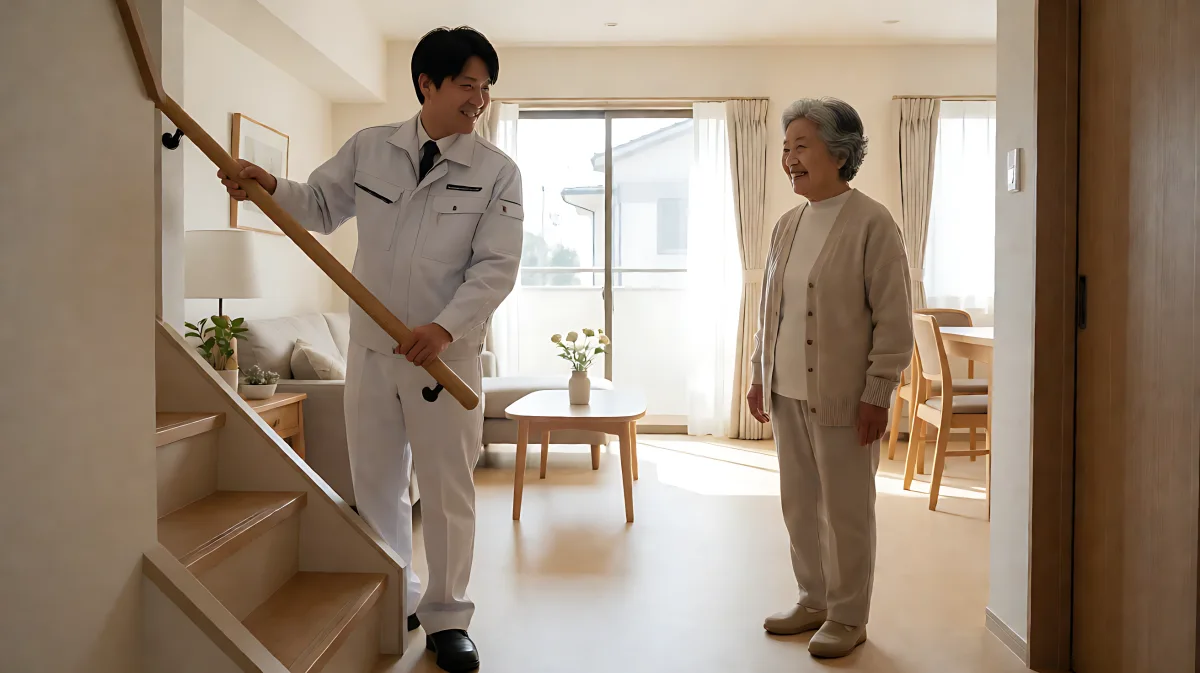
Making a home safe for an aging parent does not always require a massive out-of-pocket cost. This guide breaks down the specific federal and state grants available in 2026 that cover wheelchair ramps, grab bars, and essential safety repairs, helping families navigate the application process with confidence.
Seniors can significantly improve home safety by utilizing specific government and nonprofit grants that cover accessibility upgrades like wheelchair ramps, grab bars, and roll-in showers. In the United States, programs such as the HUD Handyworker initiative and VA disability grants provide thousands of dollars in funding for eligible homeowners and veterans. These resources are designed to support aging in place by removing physical barriers and repairing critical structural hazards without requiring repayment from the household.
Why Home Modifications Are Critical for Safety
As mobility changes with age, the physical environment of a home becomes a primary risk factor for injury. Many families assume that accessibility upgrades are a purely aesthetic luxury or that they must pay the full cost out of pocket. In fact, most major structural and safety upgrades are eligible for grant funding if the household meets specific income or service-related criteria. Slips and falls remain a leading cause of injury among older adults, and preventing them often requires simple interventions that are fully covered by public housing agencies.
The goal of these programs is not just to add features, but to ensure the home remains habitable and safe for the next decade or more. This includes addressing deferred maintenance that might otherwise lead to a hazard. By combining specific accessibility modifications with general repairs, seniors can maintain their independence while reducing the risk of serious accidents.
What Specific Upgrades Do Grants Cover?
Funding programs are not limited to a single type of improvement. They generally fall into two categories: mobility accessibility and structural safety. Understanding what is covered helps families prioritize their applications.
- Accessibility Features: Wheelchair ramps, stair lifts, widened doorways to accommodate mobility devices, and the installation of grab bars in bathrooms.
- Bathroom Safety: Converting standard bathtubs to roll-in showers, installing hand-held showerheads, and adding non-slip flooring to prevent falls.
- Electrical and Fire Safety: Upgrading to ground fault circuit interrupter (GFCI) outlets, installing smoke and carbon monoxide detectors, and replacing unsafe window hardware with quick-release mechanisms.
- Structural Repairs: In some programs, roof repairs, plumbing fixes, and heating system upgrades are included if they are necessary to ensure the home remains safe for occupancy.
How Federal Programs Fund Senior Home Repairs
The federal government provides a significant portion of the funding for these initiatives through two primary avenues: housing assistance for the general public and disability-specific grants for veterans.
What Is the HUD Handyworker Program?
For seniors in major urban areas like Los Angeles, the Los Angeles Housing Department’s Handyworker Program is a major resource. Funded by the U.S. Department of Housing and Urban Development (HUD), this initiative has served the community since the 1970s. It provides up to $5,000 in home repairs to low-income homeowners age 62 and older. The program specifically targets safety and security improvements, such as installing handrails and safety devices. Renters may also qualify for limited repairs, with a cap of $300 for items like bath seats and grab bars.
How Do VA Grants Help Veterans?
Veterans with service-related disabilities have access to two distinct grants managed by the U.S. Department of Veterans Affairs. The Specially Adapted Housing (SAH) grant supports veterans who are buying, building, or remodeling a home to meet specific accessibility needs. In 2026, the funding amount for the SAH grant is set at approximately $117,014. The Special Housing Adaptation (SHA) grant is for veterans who are modifying a home where they currently live with a family member or in a facility, with funding up to $23,444. Additionally, the Temporary Residence Adaptation (TRA) grant can provide between $8,415 and $47,130 for veterans temporarily living in a relative's home that lacks necessary accommodations.
What Are State and Local Grant Options?
State and county agencies often have their own dedicated funds that supplement federal efforts. In California, the California Home Accessibility Program (CHAP) and the CalHome Program offer financial assistance to low-income homeowners. These programs often focus on barrier removal, such as installing ramps and widening hallways. The Los Angeles County Development Authority also runs a Senior Grant Program for low-income homeowners in unincorporated areas. This specific grant can provide up to $20,000 for both mobility repairs and deferred maintenance, such as roofing and electrical work.
How Does Income Affect Eligibility?
Income limits are a common requirement for most housing grants. Programs typically use the Area Median Income (AMI) as a benchmark. For example, some senior grant programs in California restrict eligibility to households earning 80% of the AMI or less. This ensures that the funds go to those who may not be able to afford these essential safety upgrades on their own.
How To Check If You Qualify
Before contacting a contractor, it is essential to verify eligibility. Most programs require the applicant to be the primary homeowner and to occupy the residence as their main home. While some programs allow family members to apply on behalf of the senior, the senior must be the one residing in the property. If you are unsure where to start, you can use the following checklist to prepare your application:
- Verify Age and Ownership: Ensure you are at least 62 years old (for most senior-specific grants) and that your name is on the deed as the primary owner.
- Calculate Household Income: Gather recent tax returns or pay stubs to determine if your household income falls below the local 80% AMI threshold.
- List Hazards: Create a written list of safety issues, such as slippery floors, lack of handrails, or broken detectors.
- Check for Disability Status: If you are a veteran, confirm that your disability is service-connected to access SAH or SHA grants.
- Call Local Agencies: Contact your local housing authority or Area Agency on Aging to see which specific grants are currently accepting applications in your region.
Common Mistakes That Delay Grant Approval
Many applicants lose time by trying to handle the process alone. A frequent error is assuming that any contractor can perform the work. However, most government-funded programs require that the work be completed by licensed, vetted contractors who are approved by the specific grant agency. Using an unapproved contractor can result in the loss of the grant and may leave the work uncovered by insurance or warranty. Another mistake is failing to document the condition of the home before the work begins, which can make it difficult to prove that the repairs were completed as specified.
FAQ
Do I need to repay the grant money for home modifications?
No, for the majority of the senior and veteran programs discussed, the funding is provided as a grant that does not need to be repaid. However, some local programs may offer deferred-payment loans, which do not require monthly payments but may need to be repaid when the home is sold or the owner moves out.
Can renters qualify for free home modifications?
Yes, but with limitations. While most large grants are for homeowners, programs like the HUD Handyworker initiative allow renters over 62 or those with disabilities to receive up to $300 for specific safety items, such as grab bars and hand-held showerheads, provided the landlord gives permission for the installation.
Which programs cover the most expensive upgrades like stair lifts?
VA Grants and specific state programs. The federal Specially Adapted Housing (SAH) grant for veterans can cover high-cost items like stair lifts. For non-veterans, the Los Angeles County Development Authority Senior Grant Program offers up to $20,000, which is often enough to cover larger mobility improvements if the household meets the low-income criteria.
How long does the application process usually take?
It varies by region and program load. Some local programs can complete a phone interview and schedule an assessment within a few weeks, while others may have a waiting list of several months. It is best to call your local 211 helpline to find the current wait times in your specific area.