Light Pollution and Circadian Rhythm: Sleep Impact
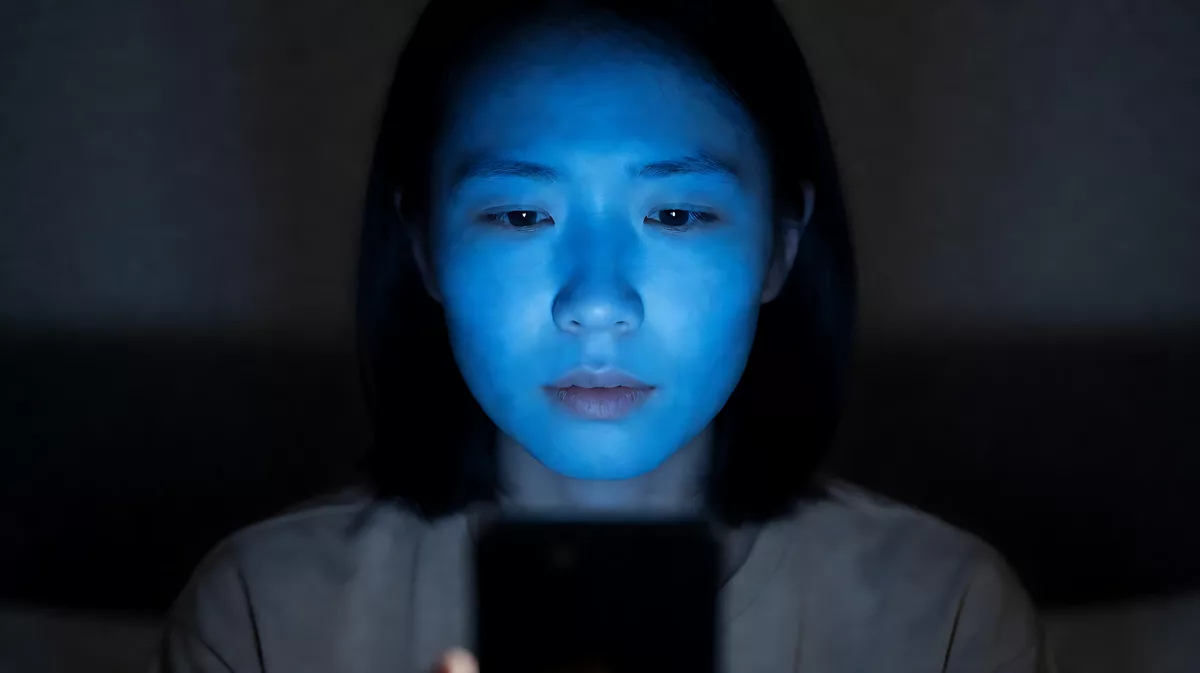
Artificial light after sunset disrupts the body's internal clock. Here is how light pollution affects sleep health and what you can do to protect your circadian rhythm.
Artificial light after sunset directly disrupts your circadian rhythm, the body's internal 24-hour clock that regulates sleep-wake cycles. Excessive exposure to blue light from screens and street lamps in the evening suppresses melatonin, the hormone that signals the brain to sleep. This light pollution prevents the body from entering deep rest, leading to poor sleep quality and increased fatigue.
How does light pollution disrupt the circadian rhythm?
The human body evolved with a natural light-dark cycle, using sunlight to anchor the internal biological clock. In the evening, as natural light fades, the brain releases melatonin to prepare for sleep. However, modern living environments are filled with artificial lighting that continues to send "daytime" signals to the brain well into the night. The American Council on Science and Health notes that when our environmental cues do not match our biological patterns, we become physiologically "off," leading to grogginess and reduced focus. This mismatch is known as circadian rhythm disruption.
Why does blue light from screens matter at night?
Blue light is particularly impactful because the eye has specific photoreceptors called intrinsically photosensitive retinal ganglion cells that are highly sensitive to this wavelength. According to researchers at Nature Reviews Urology, the disruption of these natural rhythms is linked to various pathologies, including nocturia (nighttime urination) and impaired sleep architecture. When you look at a laptop or phone, the blue light emitted suppresses melatonin production by up to 50%, effectively resetting your body clock. This keeps your brain in a state of alertness even when you are physically tired, making it significantly harder to fall asleep and stay asleep.
What are the global statistics on light pollution?
The problem of light pollution is vast. It is estimated that 83% of the world's population lives under light-polluted skies, with over one-third of humanity living under severe light pollution. The International Dark-Sky Association reports that artificial sky brightness has increased by at least 9% annually for over a decade. In the United States and the United Kingdom, the widespread use of white LED street lighting has exacerbated this issue, as these lights often contain higher ratios of blue wavelengths compared to older sodium-vapor lamps.
How does light pollution affect overall health beyond sleep?
The consequences of a fragmented circadian rhythm extend well beyond a bad night's sleep. Studies indicate that chronic exposure to light at night is associated with an increased risk of mood disorders, such as depression, as well as metabolic issues like weight gain and type 2 diabetes. Because the body's daily cycles regulate digestion, hormone release, and cellular repair, confusing these cycles can lead to systemic inflammation and a weakened immune system. For individuals in major urban centers, the lack of a consistent darkness cycle makes it difficult for the body to perform essential maintenance tasks, leading to chronic fatigue and reduced cognitive performance.
What simple steps can protect your circadian rhythm?
While you cannot eliminate all light pollution, you can take control of your immediate environment. The following strategies can help safeguard your sleep:
- Use warm lighting in the evening: Switch to bulbs with a color temperature of 2700K or less after 7 p.m. to minimize blue light exposure.
- Limit screen time: Use blue-light blocking glasses or enable night mode on your devices at least two hours before bed.
- Block external light: Install blackout curtains or shades to prevent street lamps and passing car headlights from filtering into your bedroom.
- Get morning sunlight: Spend at least 10-15 minutes outside in the morning to anchor your circadian rhythm for the day.
How can communities reduce light pollution?
Local governments can implement "Dark Sky" policies to mitigate the broader effects of light pollution. This includes replacing white LEDs with amber or warm-white LEDs for street lighting, using shields to direct light downward instead of upward, and reducing overall illumination levels in residential zones. The International Dark-Sky Association works with municipalities worldwide to create dark-sky reserves and parks, which serve as benchmarks for effective lighting management. By advocating for these changes, residents can help preserve the night sky while improving public health outcomes.
Does light pollution affect children's sleep?
Yes, children are particularly vulnerable to light pollution. Studies suggest that bright lighting in the evening can disrupt a child's circadian rhythm, leading to shorter sleep durations and poorer sleep quality. This can impact their growth, academic performance, and mood during the day.
Can I use artificial light in the morning to improve my sleep?
Absolutely. Exposure to bright light, whether natural sunlight or a bright light box, in the morning is one of the most effective ways to reset your circadian rhythm. It signals to your body that the day has begun, making it easier to stay alert and fall asleep at the appropriate time at night.
Are there specific plants that help with light pollution?
While plants do not block light directly, having houseplants near a window where you sit at night can serve as a gentle reminder to keep your workspace away from bright street lights. More practically, using blackout window treatments is far more effective than using plants to reduce light intrusion into the bedroom.