Light Lighthouse Schedule for Seniors to Prevent Falls
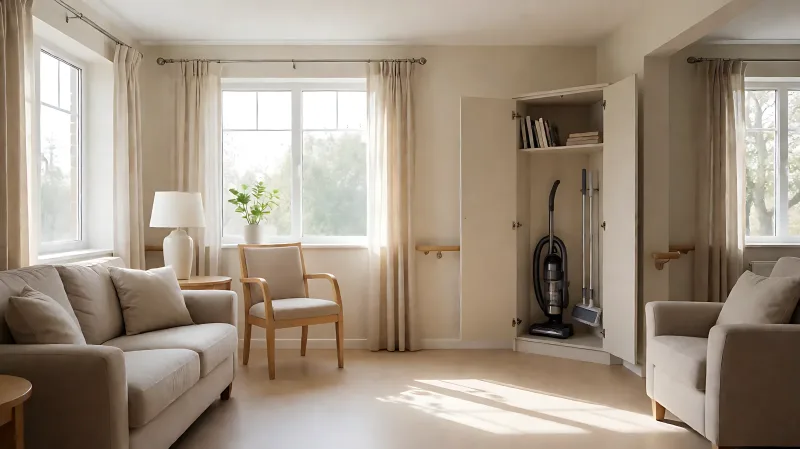
A structured light lighthouse schedule helps seniors live independently by removing clutter and hazards. This guide breaks down daily, weekly, and monthly tasks that prioritize safety over deep cleaning.
To prevent falls, create a light lighthouse schedule by scheduling daily dusting of surfaces, weekly vacuuming of walkways, and monthly checks for loose items. This routine focuses on maintaining clear paths and organized spaces rather than deep cleaning. By breaking tasks into manageable segments, you reduce the risk of slips, trips, and falls for seniors living independently.
What Is a Light Lighthouse Schedule?
A light lighthouse schedule is a simplified cleaning routine designed specifically for seniors and their caregivers. Unlike traditional deep cleaning, which involves moving furniture and scrubbing grout, this approach focuses on maintaining a safe, tidy environment. The term "lighthouse" is used here as a metaphor for creating a safe, guided path through the home, where every step is predictable and hazard-free. The primary goal is not spotless surfaces, but rather the elimination of common fall triggers like wet floors, scattered objects, and poor lighting.
How Do You Design a Weekly Routine?
Designing an effective schedule requires breaking tasks into small, manageable chunks. Instead of cleaning the entire house in one go, assign specific zones to specific days of the week. This prevents fatigue and ensures no area is neglected. According to guidelines from home care agencies, consistency is key. A typical weekly structure might look like this:
- Monday: Focus on the living room. Dust low surfaces, vacuum the main walkway, and check that armchairs are securely placed away from high-traffic paths.
- Wednesday: Kitchen day. Wipe counters, wash dishes, and ensure the floor is dry. Take out the trash to prevent pests and odors that can distract or trip a senior.
- Friday: Bathroom and bedroom. Clean the toilet, sink, and tub. Change bed linens if needed. Ensure towels are hung dry to prevent mildew.
For seniors, the time commitment should be short. Tasks should take no longer than 15 to 20 minutes each to avoid strain. If a task takes longer, it is likely outside the scope of light lighthouse and should be delegated to a professional service or broken down further.
Which Daily Tasks Prevent Falls?
Daily micro-tasks are the most effective at preventing immediate fall risks. These are small actions that take seconds but have a huge impact on safety.
- Clear Pathways: At the end of the day, walk through the home and remove shoes, bags, or papers from hallways and doorways. Even a single shoe can cause a significant trip.
- Check Lighting: Ensure nightlights are working in the bathroom and bedroom. Poor visibility is a leading cause of nighttime falls. Replace burnt-out bulbs immediately.
- Tidy Clutter: Small items like magazines, reading glasses, and medications should have a designated spot. If it doesn't have a home, it becomes a hazard.
How Should You Handle High-Risk Areas?
Not all parts of the house are equal in risk. The bathroom, stairs, and kitchen are the highest-risk zones. In the bathroom, ensure the non-slip mat is in place and not curling up at the edges, which creates a trip hazard. In the kitchen, keep the floor dry. If using a dishwasher, place towels or mats strategically to catch drips, but ensure the mats themselves are flat and secure. For stairs, install grab bars if they are not already present. These are not part of routine cleaning but are essential checks that should be done monthly to ensure they remain tight and functional.
What Role Does Organization Play in Safety?
Organization is just as important as cleaning. A clean but chaotic home is still dangerous. Use labeled bins to store frequently used items. For example, keep cooking utensils on the counter rather than in a high cabinet. This reduces the need for reaching, which can cause falls if a step stool is not used correctly. According to senior care specialists, reducing the need to reach or bend significantly lowers the risk of falls. Relocate canned goods and nonperishables to stackable bins on countertops. This small change makes the kitchen more accessible and safer.
How Do You Track Progress?
Without tracking, routines slip. Use a simple checklist on the refrigerator. Mark off tasks as they are completed. This visual reminder helps seniors and caregivers stay on track. If a task is missed two days in a row, investigate why. Is the task too difficult? Is the person feeling unwell? Adjust the schedule accordingly. The goal is a sustainable routine, not a perfect one. A schedule that is abandoned is worse than no schedule at all.
When Should You Hire Help?
Light lighthouse is manageable for many seniors, but not all. If the senior is experiencing significant fatigue, has difficulty standing for more than 15 minutes, or lives in a large home, consider hiring a professional home care provider. Agencies like Griswold Home Care and Fayer Family Homecare offer light lighthouse services that include these tasks without the burden of deep cleaning. This allows the senior to maintain independence while ensuring the home stays safe.
Frequently Asked Questions
Is light lighthouse the same as deep cleaning?
No. Light lighthouse involves routine tasks like dusting, vacuuming, and wiping surfaces. It excludes moving furniture, washing windows, shampooing carpets, or yard work. The focus is on maintaining safety and hygiene, not achieving a showroom finish.
How often should bed linens be changed?
Weekly is the standard recommendation for hygiene and comfort. However, if the senior spends most of the day in bed, check for stains or odors daily. Fresh linens contribute to a more comfortable sleep environment, which indirectly supports overall health.
Can a senior do this routine alone?
Yes, if they are physically capable. Use lightweight tools like extendable dusters to avoid reaching high places. Avoid heavy lifting. If any task causes pain or fatigue, modify the routine or seek assistance.
What if the home has pets?
Pet hair and dander can accumulate quickly, posing allergen and slip risks. Increase the frequency of vacuuming to twice a week in high-traffic areas. Use non-toxic cleaners to ensure the environment is safe for both the senior and their pets.