Lifelong Learning Classes for Seniors
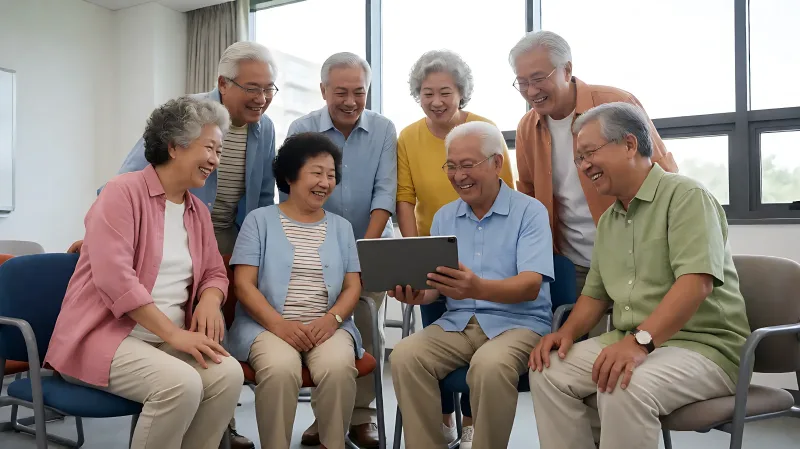
Lifelong learning isn't just for kids. Discover how senior classes boost cognitive health, combat isolation, and help adults over 60 stay sharp.
Lifelong learning classes offer older adults a proven way to protect brain health, reduce social isolation, and maintain independence. By engaging in new skills, seniors can delay cognitive decline and experience greater emotional satisfaction. Research confirms that learning new motor skills or digital tools helps keep the mind sharp well into later life.
For more information, see NIA health information for older adults from the National Institute on Aging.
Why Lifelong Learning Matters for Brain Health
The brain continues to change and adapt throughout life, a concept known as neuroplasticity. While natural aging may cause mild difficulties in retrieving recent memories, the ability to learn and store new information remains robust. Experts at The Ohio State University Wexner Medical Center emphasize a "use it or lose it" approach to maintaining cognitive function. Engaging in complex activities, such as learning a foreign language or mastering a new app, can reduce the risk of mental decline.
According to the American Psychological Association, older adults who immerse themselves in supportive learning environments can significantly boost their cognitive abilities. A study led by researchers at the University of California, Riverside found that adults aged 58 to 86 who spent 15 hours a week learning at least three new skills achieved memory and attention scores comparable to middle-aged adults just three months later. One year after the course ended, their scores were similar to those of undergraduate students.
How Learning Combats Isolation
Social connection is a critical component of healthy aging. Learning classes provide structured opportunities to build new social networks that include people of different ages. An online survey conducted by Ohio State’s College of Social Work involving 107 participants found that taking college courses increased emotional satisfaction and expanded social circles. These interactions support overall well-being and lead to more successful aging. Younger students benefit from the life experience of older adults, while seniors gain insight into the modern digital world, creating a mutual exchange of value.
What Types of Classes Help the Most?
Not all brain training is created equal. Standard brain games may improve performance on specific tasks but often fail to translate to real-world independence. For example, being proficient at Sudoku does not necessarily mean a senior can manage online banking. To truly benefit brain health, learning should involve real-life skills and novel challenges.
- Digital Literacy: Learning to use tablets, smartphones, and online health platforms. This combats the societal expectation that adults stop learning and helps navigate modern life.
- Creative Arts: Drawing, painting, or writing. Research indicates that participants who had never drawn anything but stick figures gained significant confidence and creative expression.
- Physical Skills: Motor skills related to dance or complex physical activities keep the brain sharp by integrating movement with cognitive focus.
- Academic Courses: Non-credit courses in history, literature, or science provide mental stimulation and socialization.
Where Can Seniors Find These Opportunities?
Access to affordable and quality lifelong learning has expanded significantly across the United States. Many universities offer specialized programs for older adults. For instance, The Ohio State University offers Program 60, which allows individuals aged 60 and older to take undergraduate or graduate-level classes tuition-free on a non-credit basis. Similarly, Harvard University’s Institute for Learning in Retirement (HILR) is designed specifically for retired and semi-retired professionals, fostering active intellectual engagement.
Community-based options are also growing. Senior living communities are increasingly adopting innovative lifelong learning programming that empowers both staff and residents. These programs often use facilitated discussions and presentations to stimulate conversation and shared growth. For UK readers, organizations like the University for the Third Age (U3A) provide similar tuition-free courses, reflecting the global trend of valuing intellectual vitality in later life.
How Does Positive Self-Perception Impact Learning?
Mindset plays a crucial role in cognitive outcomes. Research by Yale University psychologist Becca Levy suggests that positive age beliefs can lead to better health and even a 7.5-year increase in lifespan. Conversely, internalized ageism—the belief that one is too old to learn—can hinder cognitive performance. Psychologists like Ann Steffen from the University of Missouri–St. Louis note that older adults who buy into negative stereotypes about aging may unconsciously shape their lives to match those limits.
To counter this, learning environments must be supportive. Instructors should convey that mistakes are a natural part of the process. When older adults feel safe to make errors, their motivation to tackle new challenges increases. This confidence translates into greater independence and a more engaged social life.
What Role Does Physical Health Play?
Lifelong learning does not exist in a vacuum. Physical activity is a complementary pillar of brain health. Regular exercise improves blood flow to the brain and reduces inflammation. Combining physical activity with cognitive engagement, such as learning to play a musical instrument or a new sport, creates a synergistic effect that supports overall well-being. The Centers for Disease Control and Prevention (CDC) recommends regular physical activity for all adults, highlighting its benefits for both physical and mental health.
Practical Steps to Start Learning Now
You do not need a degree to start. You can begin with small, manageable steps that fit into your daily routine. Here are five ways to stimulate your mind today:
- Join a Group: Attend a lecture, play, or concert. Social interaction forces the brain to make associations and judgments.
- Learn a Skill: Pick up a hobby like painting, writing a blog, or learning a new app. Novelty is key.
- Challenge Yourself: Play puzzles or games that require deduction, but also try real-world tasks like cooking a complex recipe.
- Give Back: Volunteer your time. Teaching others reinforces your own knowledge and provides a sense of purpose.
- Move Your Body: Exercise regularly to keep the brain healthy alongside your heart.
The U.S. Census Bureau projects that the number of Americans aged 65 and older will increase by 30 percent in the next 25 years, reaching 82 million. As this demographic grows, the demand for accessible, high-quality lifelong learning options will continue to rise. Whether through university extension schools, community programs, or self-directed hobbies, the key is to stay curious and engaged.
Frequently Asked Questions
Can older adults learn new skills after age 70?
Yes, research confirms that neuroplasticity allows adults to learn new skills at any age. Studies show that older adults who engage in complex learning activities can achieve cognitive scores similar to those of much younger individuals. The brain remains capable of forming new neural connections throughout the entire lifespan.
How many hours of learning are needed for brain benefits?
Specific protocols vary, but a notable study found that 15 hours per week of class and homework over three months significantly improved memory and attention. Consistent engagement, rather than sporadic effort, yields the best long-term results for maintaining cognitive function.
Are tuition-free classes available for seniors in the US?
Yes, many universities offer free or low-cost non-credit courses for seniors. For example, Program 60 at The Ohio State University allows adults over 60 to take college classes tuition-free. Similar programs exist at other state universities and community colleges across the country.
Does learning only academic subjects help brain health?
No. The type of subject matters less than the novelty and complexity of the task. Learning a motor skill like dance, a creative skill like drawing, or a practical skill like using a new app can be just as beneficial as academic subjects. The key is that the activity is new and requires active problem-solving.