Memory Techniques for Short Attention Spans
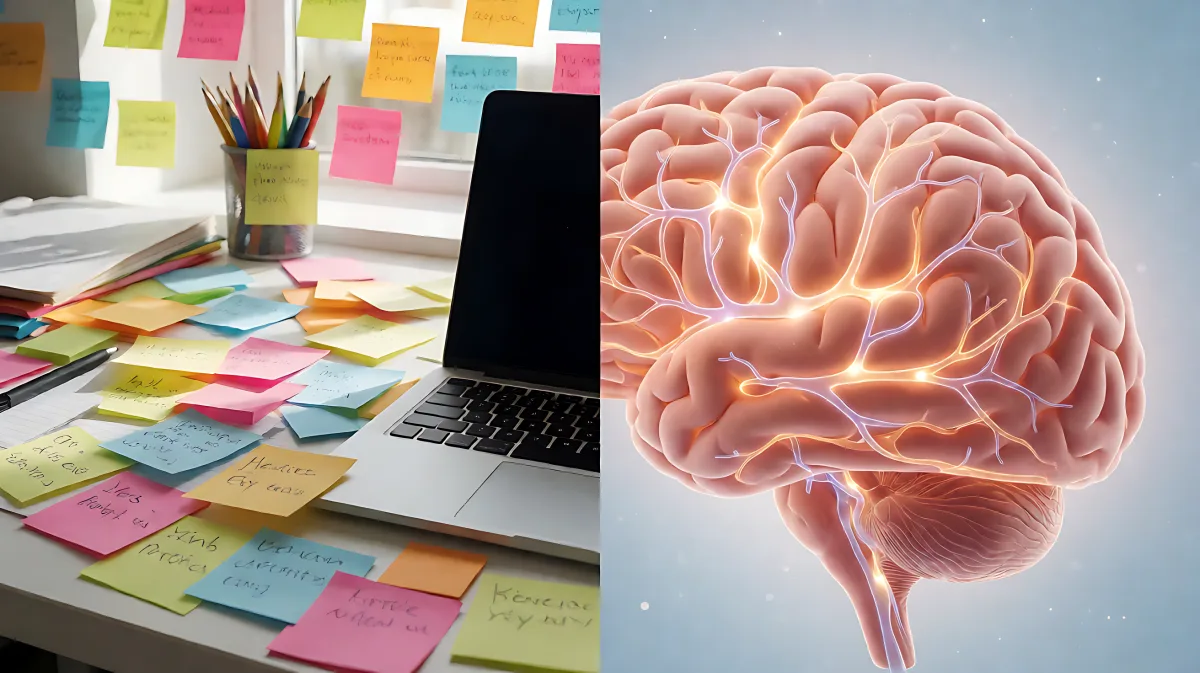
Struggling with focus? Learn practical, science-backed techniques to enhance memory retention despite a short attention span, from digital tools to ancient mnemonic strategies.
Improving memory retention with a short attention span is possible by using targeted techniques like chunking information into smaller segments and employing digital interval reminders. These methods reduce cognitive load and help bridge the gap between fleeting thoughts and long-term storage, ensuring that vital details are not lost despite limited focus.
Why does a short attention span hinder memory retention?
Many people assume that a short attention span is a permanent flaw that makes learning impossible, but in fact, it is often just a matter of mismatched input methods. Modern life demands high-speed processing, and when information is presented as long, unbroken blocks, the brain's working memory—which typically holds only seven items plus or minus two—overloads quickly.
To combat this, experts recommend a holistic approach that combines mental exercises with lifestyle adjustments. A recent report from 2026 highlights that integrating physical activity with cognitive tasks can significantly improve outcomes. It is not about forcing yourself to sit still for hours; it is about aligning your study habits with how your brain naturally processes information.
What are the most effective techniques for quick learners?
How can chunking information improve recall?
Chunking is the cornerstone of managing short attention spans. Instead of trying to memorize a phone number or a grocery list all at once, break it into groups of three to five items. This technique leverages the brain's preference for patterns over random data. For instance, when learning a new language or complex software, do not read the entire manual. Instead, dedicate ten minutes to a single feature, practice it, and then move on. This keeps engagement high and prevents mental fatigue.
Can the method of places still work for busy adults?
Yes. Also known as the memory palace, this ancient Greek technique uses spatial memory to anchor new information. Since spatial memory tends to remain robust even as other functions change with age or stress, it is an excellent tool for those who find linear lists difficult. Visualize a familiar location, such as your home, and place vivid, slightly exaggerated images of the items you need to remember in different rooms. When you need to recall the information, mentally walk through the house. This turns abstract data into a concrete visual journey, which is easier to retrieve when your attention is wandering.
How can digital tools assist with focus retention?
Technology is no longer just a distraction; it is a powerful aid for those with limited attention windows. Digital cognitive programs designed for busy adults use interval repetition algorithms to present information precisely when you are most likely to forget it. According to a study published in 2026, these digital interventions show promise in reducing cognitive decline by up to 30 percent within six weeks of consistent use.
However, digital tools must be used strategically. Set timers for short, focused bursts of work, often called the Pomodoro technique, where you work for 25 minutes and rest for five. This rhythm aligns with natural attention cycles and prevents burnout.
What common mistakes should you avoid?
- Overloading working memory: Many learners try to remember entire paragraphs. Instead, summarize key points first.
- Ignoring social engagement: Isolating yourself while studying is counterproductive. Experts emphasize that social interaction during learning, such as explaining a concept to a friend, significantly boosts retention.
- Skipping physical movement: Sitting still for long periods reduces blood flow to the brain. Stand up, stretch, or take a short walk between study sessions to recharge your cognitive batteries.
How can you build a sustainable daily routine?
Consistency is more important than intensity. A dedicated 15-minute daily session is sufficient to make noticeable progress. Integrate memory exercises into your existing day. Read a short article instead of scrolling social media, or learn a few new words during your commute. The key is to make the activity enjoyable and low-pressure.
| Technique | Best For | Time Required |
|---|---|---|
| Chunking | Lists and data | 5-10 minutes |
| Memory Palace | Sequences and stories | 10-15 minutes |
| Active Recall | Deep understanding | 5 minutes |
| Physical Movement | Recharging focus | 5-10 minutes |
What role does sleep play in memory consolidation?
Sleep is not just rest; it is the time when your brain files away short-term memories into long-term storage. If you sacrifice sleep to cram information, you defeat the purpose. Aim for seven to nine hours of quality sleep to allow your neural pathways to strengthen.
FAQ
How long does it take to see improvement in memory retention?
Most people notice improved focus and recall within two to four weeks of consistent practice. However, the goal is not just speed, but sustainability. Think of it as building a muscle; the stronger you get, the easier it becomes to maintain.
Is it better to use apps or paper notebooks?
There is no one-size-fits-all answer. Apps offer the benefit of spaced repetition algorithms, which are highly effective. Paper notebooks, however, force slower, more deliberate processing. Many people find success by using a hybrid approach: inputting data into an app for review, but doing active recall exercises on paper.
Can these techniques help with conditions like ADHD?
Yes. The structured nature of chunking and the external cues provided by digital reminders are particularly beneficial for individuals with attention challenges. These tools externalize the management of information, reducing the load on the brain's internal executive functions.