Free & Low-Cost Senior Classes at Community Colleges
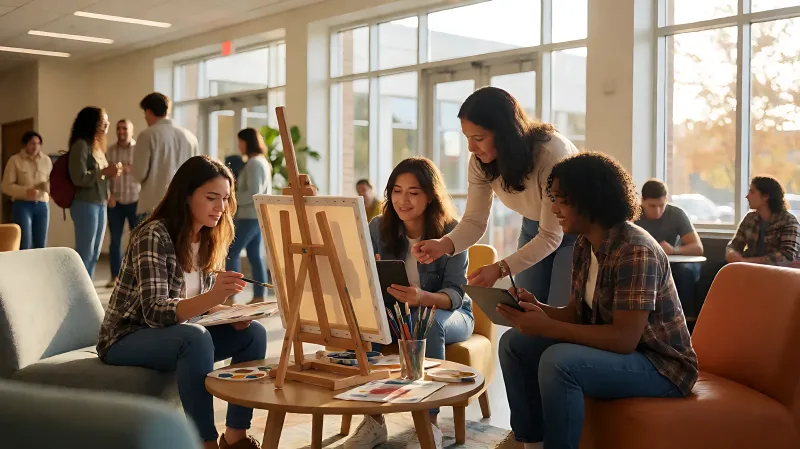
Community colleges offer affordable lifelong learning programs for seniors, featuring free wellness workshops, low-cost art classes, and digital literacy training designed to foster social connection and mental agility.
Community colleges across the United States host lifelong learning centers that provide seniors with free or low-cost access to arts, wellness, and technology classes. These programs are specifically designed for adults over 60, focusing on social engagement and intellectual stimulation without the pressure of degree requirements. By leveraging federal funding and local partnerships, these institutions offer hundreds of short-term courses, many of which are completely free to residents.
For more information, see NIA brain health and learning resources from the National Institute on Aging.
Why Community Colleges Are the Best Place for Senior Learning?
For many older adults, community colleges represent an accessible and flexible environment for continued education. Unlike traditional universities, which often require rigid credit systems, these centers prioritize experiential learning and community building. The American Association of Community Colleges notes that many of these institutions receive grants to extend their educational mission beyond young adults. This makes them ideal hubs for seniors who wish to learn new skills, maintain cognitive health, or simply expand their social circles.
How Do Lifelong Learning Centers Support Healthy Aging?
Research from the National Institute on Aging suggests that active learning stimulates neuroplasticity, which can help delay cognitive decline. Lifelong learning centers at community colleges capitalize on this by offering classes that blend physical activity with mental engagement. For example, many centers offer "active wellness" programs that include yoga, tai chi, or water aerobics, all taught by certified instructors. These sessions are often held in university fitness centers that seniors can access for a nominal fee or through local senior service partners.
What Types of Classes Are Available for Seniors?
The curriculum at these centers is vast, catering to diverse interests. While specific offerings vary by location, several categories are consistently popular among the senior demographic.
- Visual and Performing Arts: Classes in watercolor, oil painting, and ceramics are frequently available. In one notable program, students pay only $30 for a six-week introductory drawing course, which includes all materials and instruction. This low barrier to entry allows beginners to explore creativity without significant financial risk.
- Technology and Digital Literacy: Many centers offer workshops on navigating smartphones, using email, and understanding online security. These classes are crucial for seniors trying to stay connected with family members and access government services. Programs are often tailored to slower paces and one-on-one support.
- Life Skills and Planning: Panels and seminars on retirement planning, Medicare benefits, and estate law are common. For instance, the Sussex County Community College in New Jersey hosts free events where local attorneys and financial advisors answer audience questions about long-term care and insurance.
Are There Free Programs for Financial Wellness?
Yes, many community colleges partner with local area agencies on aging to provide free workshops on financial health. These sessions often cover topics such as fraud prevention, understanding Medicare options, and managing household budgets post-retirement. Participants are usually required to register in advance, but there is no cost for attendance. Light refreshments are often provided to encourage social interaction among attendees.
How Much Do Low-Cost Senior Classes Cost?
While many events are free, hands-on workshops usually carry a small fee to cover materials. The cost structure is generally more affordable than private art schools or private fitness clubs.
| Course Type | Typical Cost | What Is Included |
|---|---|---|
| Introductory Art Workshops | $30 to $50 | Instruction and basic materials; students may need to bring their own specific tools. |
| Ceramics and Raku Firing | $200 | All materials, equipment, and firing instructions for a two-day intensive workshop. |
| Wellness Seminars | $0 | Expert presentations, Q&A sessions, and networking opportunities with local professionals. |
| Physical Fitness Classes | $0 to $20 | Access to university fitness facilities; fees may apply for non-residents or specialized instruction. |
It is important to note that scholarships are often available for financial assistance. Some centers, like the Salvation Army Kroc Centers in certain regions, offer "Continuing Education Scholarships" that can reduce or eliminate fees for eligible applicants. Seniors should always inquire about payment plans or sliding scale fees when registering for these programs.
What Are the Benefits of Social Connection Through Learning?
The Centers for Disease Control and Prevention (CDC) emphasizes that social isolation is a significant risk factor for premature mortality and health issues in older adults. Community college classes provide a structured environment where seniors can meet peers with similar interests. This regular interaction fosters a sense of belonging and reduces the risk of depression. For example, a line dance presentation at a New Jersey college recently highlighted how movement-based learning creates immediate social bonds. Participants report that the shared experience of learning a new dance or creating art together leads to lasting friendships and reduced feelings of loneliness.
Can Seniors Learn Specific Technical Skills Like Genealogy?
Absolutely. Many lifelong learning centers offer specialized workshops that combine technology with personal history. For instance, a recent "Genealogical Odyssey in the Digital Age" workshop taught seniors how to use AI tools and online databases to trace family trees. These classes are popular because they provide a tangible, personal project that keeps participants engaged for years. The instructors often provide resources for further self-directed learning, ensuring that the education continues after the formal class ends.
FAQ
Do I need a high school diploma to take senior classes?
No. Most lifelong learning programs at community colleges do not require a high school diploma or GED. These courses are non-credit and designed for personal enrichment. The primary requirement is usually age, with many programs open to adults aged 60 and older, or anyone 18 and older.
Are these classes suitable for beginners with no prior experience?
Yes. The vast majority of these courses are specifically designed for beginners. Instructors in arts and technology classes are trained to support students at various skill levels. For example, introductory drawing classes focus on basic elements like line and proportion, making them accessible to those who have never picked up a pencil for art.
How can I find a lifelong learning center near me?
Search for your local community college's "Continuing Education" or "Lifelong Learning" department. Many centers list their schedules on their official websites. You can also contact your local Area Agency on Aging, as they often maintain lists of free and low-cost educational resources available in your region.
What if I need financial assistance for a paid workshop?
Ask the program coordinator about scholarships or need-based waivers. Many centers, particularly those operated by non-profit organizations or public colleges, have funds set aside to help seniors access education. Do not assume a fee is final; asking for assistance can often result in reduced costs or full coverage.
Is it safe to attend these classes during the flu season?
Community colleges follow CDC guidelines for public health, which typically include ventilation improvements and optional masking policies during peak seasons. However, attendance is generally voluntary. If you have underlying health conditions, check with the specific institution for their current health protocols before attending large group seminars or workshops.